Get your free personalized podcast brief
We scan new podcasts and send you the top 5 insights daily.
Instead of chasing trendy, "fundable" ideas that lacked personal passion, the founders of Oxide chose to build a contrarian hardware product they deeply believed in. This authentic, albeit risky, vision proved more compelling to the right investors than the generic ideas they thought VCs wanted to see.

Related Insights
An idea is only "good" for a specific founder if it aligns with their unique background, skills, and passions. What seems like a terrible idea to one person can be a perfect fit for another, because their life experiences give them a unique insight and unfair advantage in executing it.

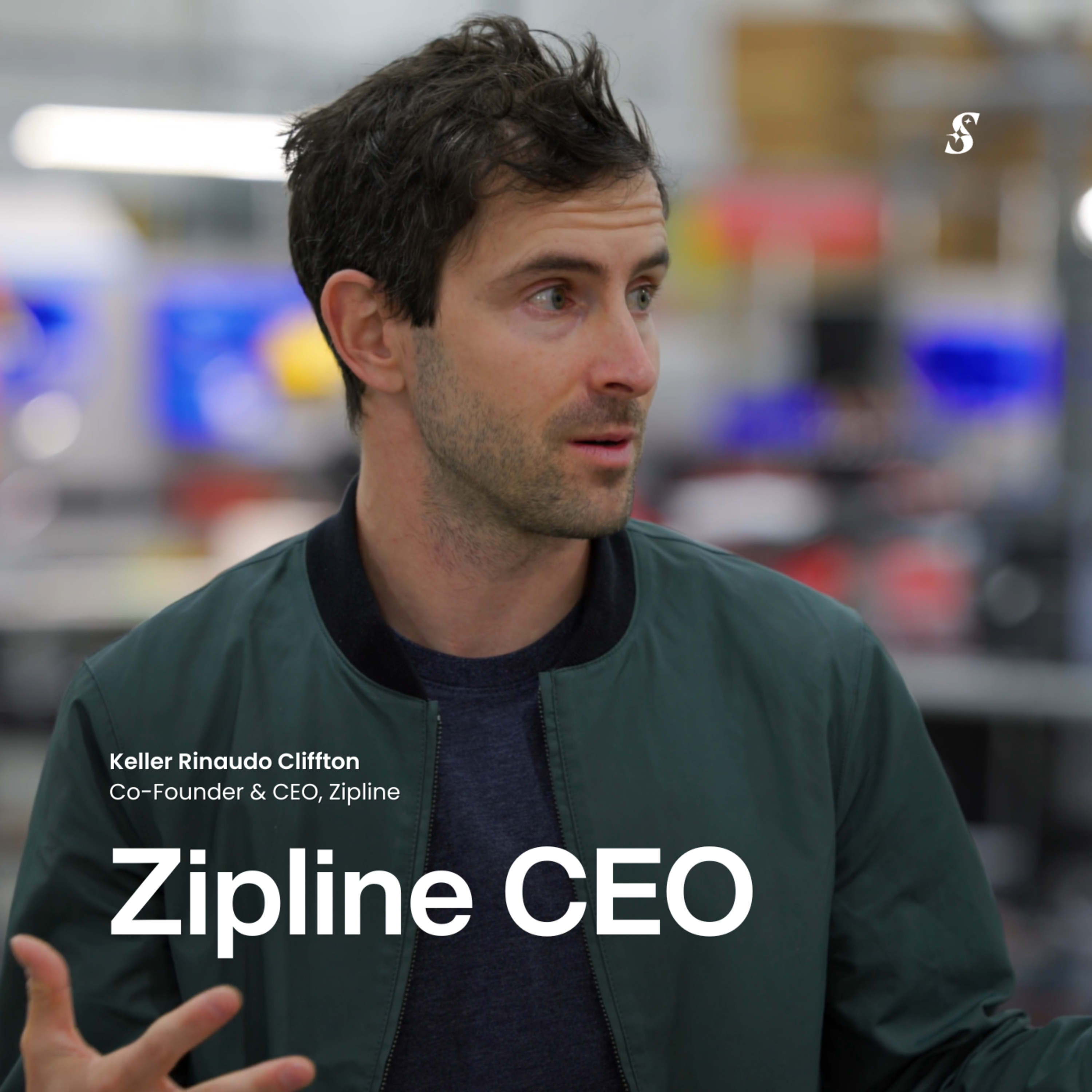
Zipline, much like early Tesla or SpaceX, was never part of a broader investment "hype cycle." They spent a decade working on a contrarian idea that most investors thought was stupid. This obscurity allowed them to build with deep conviction, attracting only highly contrarian investors who believed in the long-term, inevitable vision.
Unlike software, where customer acquisition is the main risk, the primary diligence question for transformative hardware is technical feasibility. If a team can prove they can build the product (e.g., a cheaper missile system), the market demand is often a given, simplifying the investment thesis.

Exceptional founders like Kyle Hanselowen of Huntress identify and commit to underserved markets, such as cybersecurity for SMBs, long before they become obvious. Their success hinges on this unique market view and the personal grit to evolve and reinvent themselves as the company scales.

Unlike software, hard tech involves long scale-up timelines and high capital costs. Founders must specifically seek the small subset of investors and partners who understand the market context and have the risk appetite for massive, world-changing opportunities, rather than trying to appeal to all VCs.
Founders with deep market fit must trust their unique intuition over persuasive, but generic, VC advice. Following the standard playbook leads to cookie-cutter companies, while leaning into the 'weird' things that make your business different is what creates a unique, defensible moat.

Instead of chasing trends or pivoting every few weeks, founders should focus on a singular mission that stems from their unique expertise and conviction. This approach builds durable, meaningful companies rather than simply chasing valuations.
To identify non-consensus ideas, analyze the founder's motivation. A founder with a deep, personal reason for starting their company is more likely on a unique path. Conversely, founders who "whiteboarded" their way to an idea are often chasing mimetic, competitive trends.

Instead of contorting to fit a market, build something that is 'you pushed out.' The most resonant products are often a natural extension of the founder's obsessions and personality. This authenticity makes the work feel effortless and creates a product that clicks with a specific audience.

Pursuing a genuinely non-obvious idea feels risky, not just uncertain. This feeling of danger—the fear of wasting years on a potential failure—is often a signal that you're working on something truly contrarian and valuable, as it deters others.