Get your free personalized podcast brief
We scan new podcasts and send you the top 5 insights daily.
The shift towards a less aggressive stance is not weakness, but a strategic pause. Both the U.S. and China need time to build domestic strength, creating a temporary 'modus vivendi' the U.S. can use to improve its long-term competitive position.

Related Insights
The summit represents a temporary lull in an ongoing, long-term competition, not a fundamental shift toward resolution. Beijing views it as a tactical 'test of wills' to buy time and strengthen its capabilities while maintaining a competitive mindset.

The tariff war was not primarily about revenue but a strategic move to create an "artificial negotiating point." By imposing tariffs, the U.S. could then offer reductions in exchange for European countries committing to American technology and supply chains over China's growing, low-cost alternatives.

While publicly announcing a trade truce with China, the Trump administration simultaneously signed deals with other Asian nations to diversify supply chains and bolster defense partnerships, effectively preparing for future confrontation with Beijing.
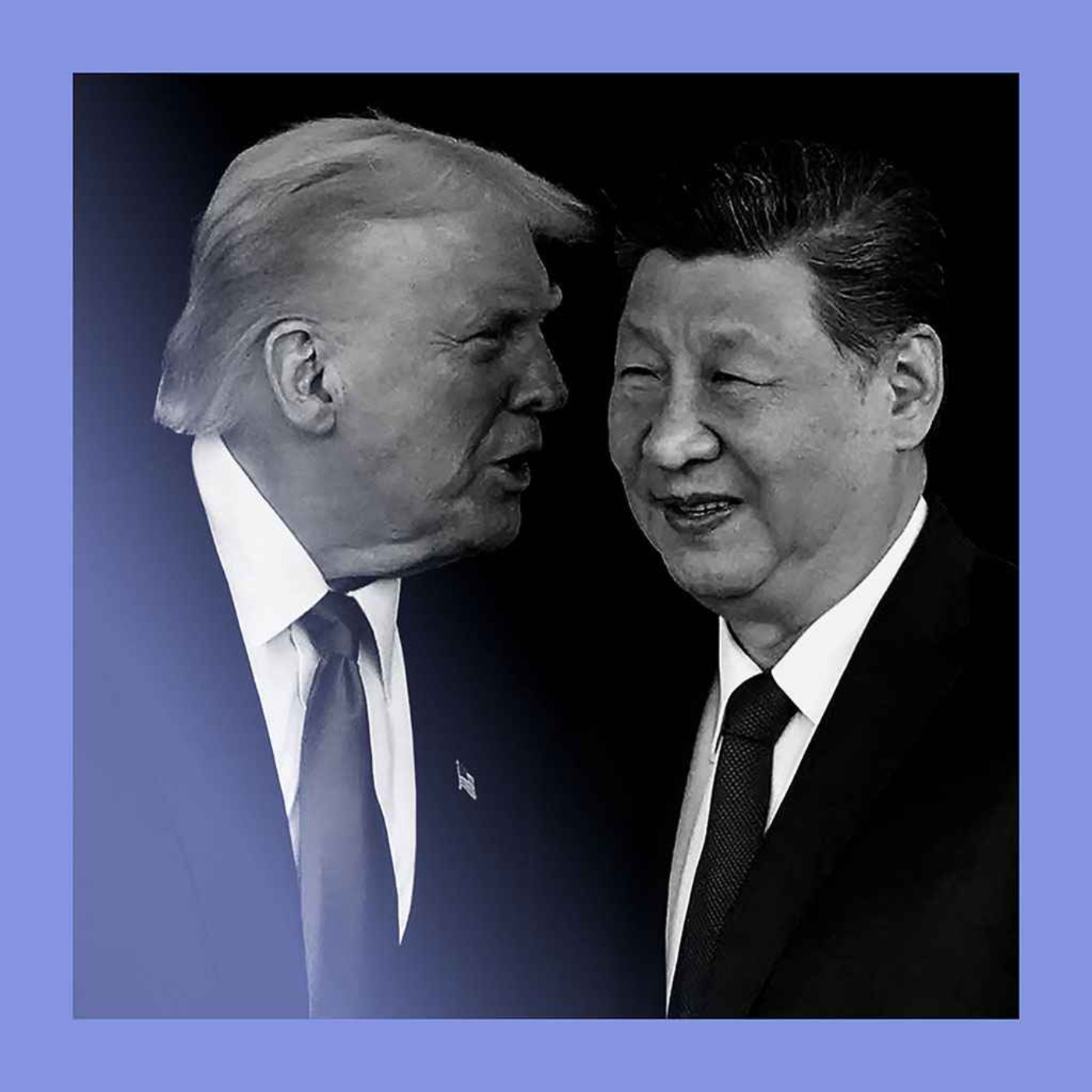
The shift to a less adversarial China policy may be a strategic maneuver to avoid supply chain disruptions. The U.S. appears to be biding its time—likely for 5+ years—to wean itself off dependence on Chinese rare earth minerals, which are critical for both industry and defense manufacturing.

The recent lack of anti-China rhetoric from the Trump administration, including zero mentions at the State of the Union, is a deliberate tactical truce. The goal is to stabilize relations and create a favorable environment for an upcoming presidential summit with Xi Jinping, which the administration wants to be a major success.

The deep economic interdependence between the U.S. and China makes a full "decoupling" too costly for either side. Instead of a clean break or a lasting peace, the relationship will likely be defined by a continuous cycle of targeted disputes, negotiations, and temporary agreements.

The current lull in US-China tensions should not be mistaken for a stable détente. It's a temporary stalemate born from mutual leverage recognition. Both nations are using this pause to fortify their domestic capabilities and supply chains for the next round of competition.

The latest U.S. National Security Strategy drops confrontational rhetoric about China as an ideological threat, instead framing the relationship around economic rivalry and rebalancing. This shift prioritizes tangible deals over promoting American values globally, marking a departure from Reagan-era foreign policy.
The strategy is not about patience or waiting for China to falter. It's an urgent, inward-looking effort to reindustrialize and restore America's foundational strength while limiting external conflicts and buying time.
The most effective way to prevent conflict between the US and China is to create mutual, bidirectional economic dependency. This involves significant US exports (planes, cars, chips) into China's consumer market, balancing the historical one-way flow of cheap goods and moving beyond political posturing.
