Get your free personalized podcast brief
We scan new podcasts and send you the top 5 insights daily.
While their faith prohibits them from driving cars, the Amish have a practical workaround: they hire non-Amish people, whom they call 'English,' to drive them. This creates an informal taxi service, allowing them to travel long distances without breaking their religious rules.

Related Insights
The inability to perform timely, authorized repairs has created a gray market for circumvention tools. Independent mechanics and farmers are using cracked software, often sourced from China, to bypass John Deere's software locks and regain control of their expensive machines.

As Full Self-Driving (FSD) and autonomous vehicles become widespread, the culture of driving will fundamentally shift. Prohibitive risk and insurance costs will make manual driving a rare, expensive hobby for enthusiasts, much like thoroughbred racing is today.

In a striking irony, Los Algodones' street promoters are almost all individuals deported from the U.S. Their fluent American English and cultural familiarity—traits from the country that rejected them—are leveraged as key assets to build rapport and trust with American dental tourists, making them ideal for their roles.
The car is transforming from a private sanctuary into a monitored space. Incidents like a Waymo vehicle reporting rule-breaking teens to police, combined with new EU laws mandating driver-facing cameras, signal a fundamental shift. The car is no longer a zone free from observation but is becoming a witness for safety and rule enforcement.

Contrary to displacement fears, driverless taxis like Waymo are carving out a new, expensive market segment. They cater to a different customer base—likely former private car users—thereby increasing overall demand for ride services rather than just cannibalizing the traditional taxi market.

Platform companies like Uber lobby for 'hybrid' autonomous vehicle models not just for safety, but to manage their existing human workforce. A sudden shift to full automation would cause a mass exodus of current drivers, crippling the service before a robotic fleet is ready to scale.

Beyond basic navigation, the most nuanced challenge for AVs is mastering pickups and drop-offs. The system must understand complex social context, like when it is acceptable to briefly double-park or how to avoid blocking a driveway, which is a more subtle problem than structured highway driving.
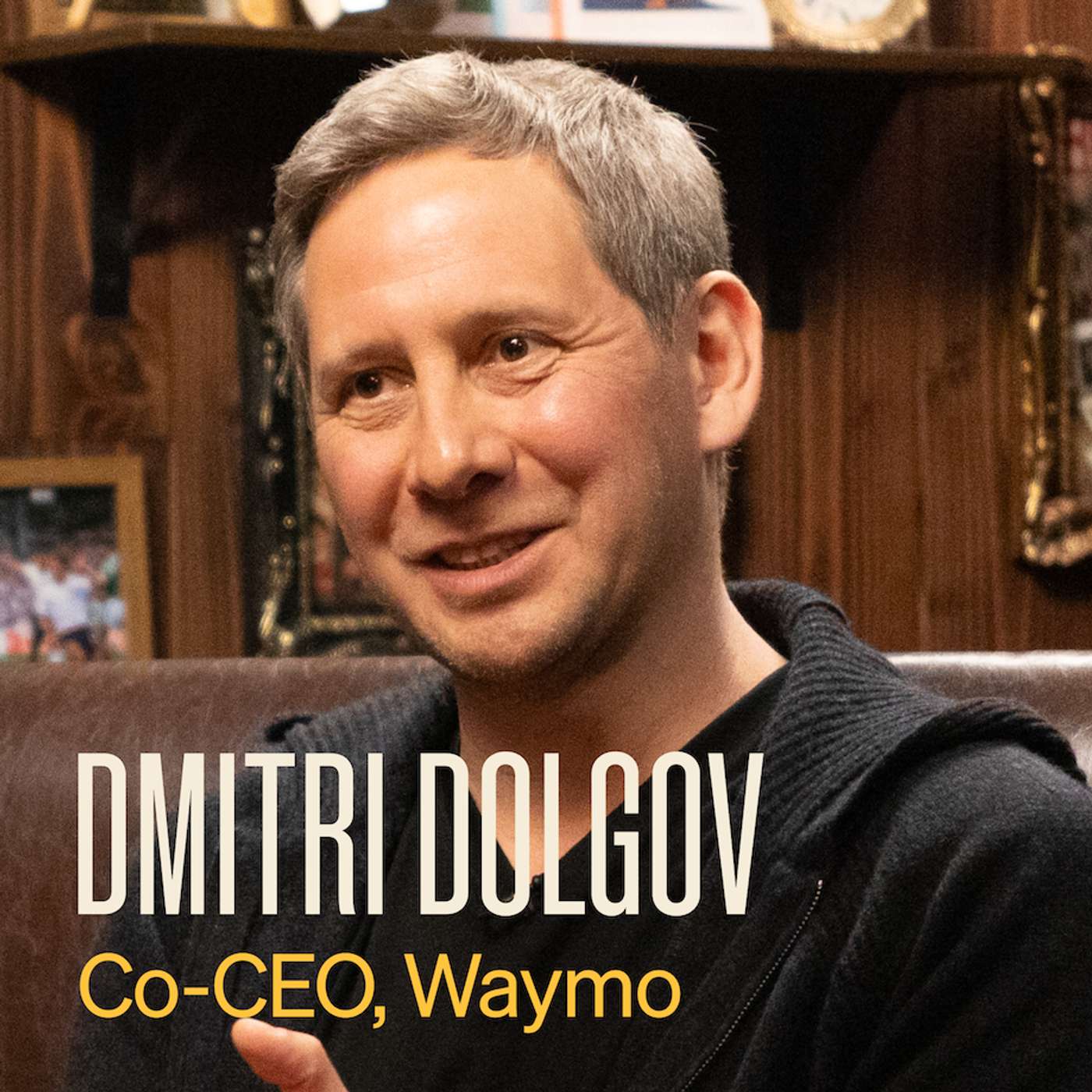
The cautious and sometimes slow nature of current driverless AI makes it unsuitable for passengers in a hurry. This technological limitation has created a specific market: users who prioritize a calm, private experience over speed, such as for a relaxed evening out rather than a time-sensitive commute.
The rise of startups creating specialized low-speed vehicles is a response to changing consumer behavior. As traditional cars become prohibitively expensive and standardized, the cultural connection is weakening, creating a market for affordable, expressive second cars designed for specific local lifestyles.

Despite perceptions of strict state control, there's a widespread culture of finding clever workarounds. Examples include hiring "PhD nannies" to evade tutoring bans and using grandparents' IDs to bypass youth gaming limits, showing how top-down rules are often obviated at the grassroots level.