Get your free personalized podcast brief
We scan new podcasts and send you the top 5 insights daily.
In a striking irony, Los Algodones' street promoters are almost all individuals deported from the U.S. Their fluent American English and cultural familiarity—traits from the country that rejected them—are leveraged as key assets to build rapport and trust with American dental tourists, making them ideal for their roles.

Related Insights
Contrary to common political narratives, undocumented immigrants are often a net positive for government finances. They are heavily documented for tax purposes (e.g., Social Security) and pay into these systems but are less likely to draw benefits, effectively subsidizing programs for citizens and creating a highly profitable workforce.

To overcome tourist skepticism before formal oversight, Molar City's founders established an amateur judicial system: the "Office of Defense of the Tourists." This allowed patients to file complaints against dentists, who could be forced to issue refunds for bad work, thereby building a crucial reputation for accountability.
For decades, the US has benefited from a flexible, low-cost undocumented labor force that performs essential jobs domestic workers avoid. Both political parties have implicitly allowed this system to thrive because it is economically advantageous, creating a class of workers that is documented for profit but not for legal status.

Los Algodones' success is a direct result of a systemic flaw in U.S. healthcare: the historical and ongoing separation of dentistry from general medicine. This division creates separate insurance and high costs, making dental care prohibitively expensive and creating a large market of "dental refugees" seeking affordable care abroad.
The business model of Los Algodones highlights a stark border reality. Americans cross into Mexico with ease to spend money, while local workers like Alberto, a deportee, can see their former U.S. homes but are permanently barred from crossing back. This illustrates a profoundly unequal, one-way economic and social flow.
Bad Bunny's influence transcends music by using his massive platform at the Grammys and Super Bowl to humanize immigrants. By performing in Spanish and plainly stating 'we are Americans,' he shapes cultural perception more effectively than traditional political activism.

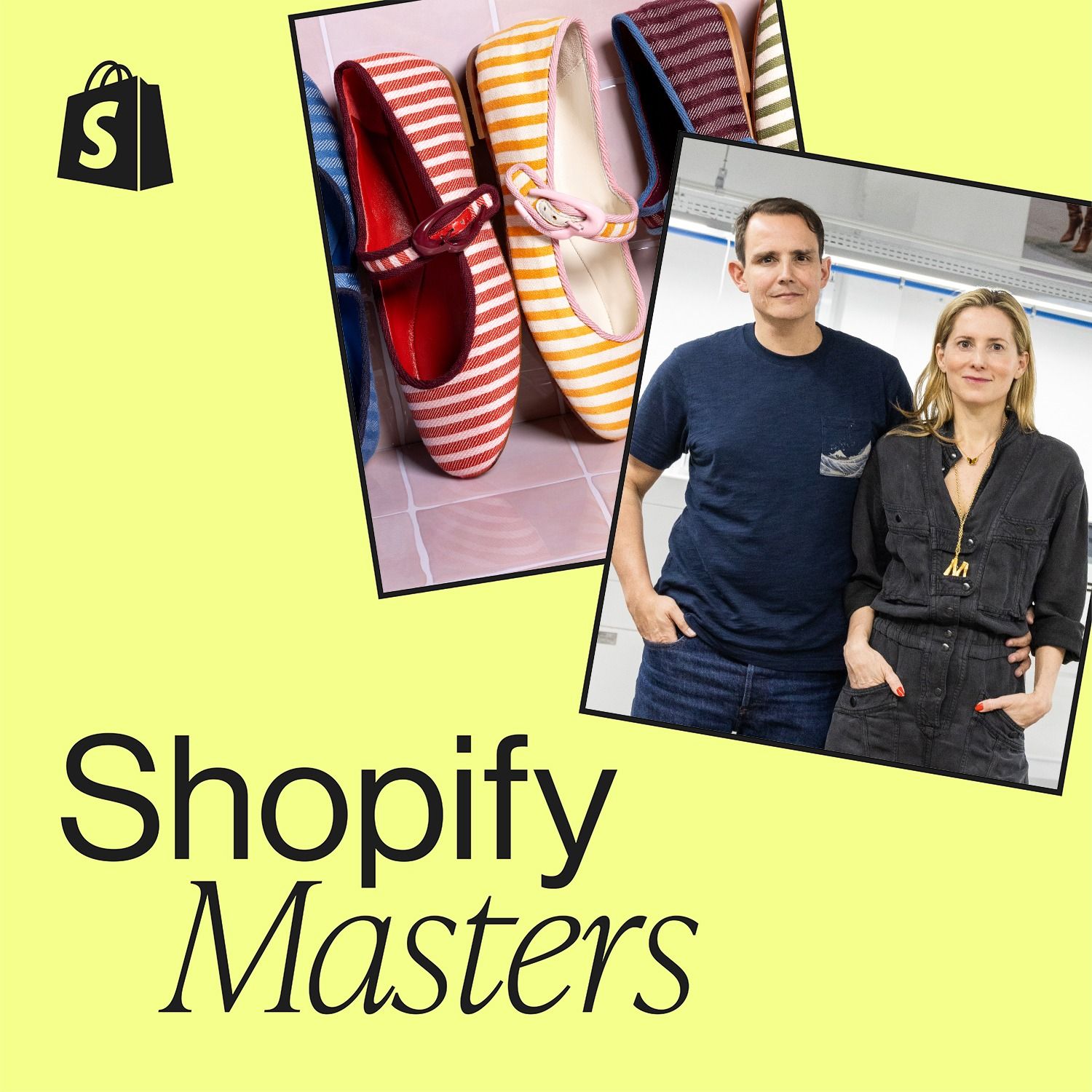
Larroudé's co-founders identify their dual Brazilian-American citizenship as a key "lucky" advantage. This allowed them to understand the US consumer market while expertly navigating Brazil's massive footwear manufacturing industry. Founders should seek opportunities where their personal history provides an edge no competitor can replicate.
Los Algodones was deliberately transformed from a party town with 48 bars into a dental tourism hub. The founding dentist, upon becoming mayor, strategically closed most bars, recognizing they undermined the town's potential as a premier healthcare destination and reshaped its economic foundation.
To combat American fears about Mexico, clinics in Los Algodones engage in "performative safety." This includes creating an overwhelming smell of sanitizer, hiring American English speakers to sit in waiting rooms, and ensuring a visible police presence—all to make foreign tourists feel comfortable and secure.
Instead of conventional advertising, Los Algodones' tourism delegate attracted its key demographic—retired American "snowbirds"—by throwing huge parties. Offering free margaritas and Viagra alongside discounted root canals created a festive event that generated massive, positive word-of-mouth marketing and established the town's reputation.