Get your free personalized podcast brief
We scan new podcasts and send you the top 5 insights daily.
Instead of targeting a firm's superstar partner, Karri Saarinen chose a less experienced one. His rationale: for an emerging partner, a company like Linear becomes one of their most important investments. This ensures they are highly motivated to work hard and champion the company within the firm, leading to more dedicated support.
Related Insights
Linear's CEO ignores most inbound VC interest to avoid distraction. However, he strategically meets a few select VCs each year to build relationships. This creates a pre-vetted shortlist of ~5 firms, making the actual fundraising process faster and more focused when the time is right.
A venture capitalist's career security directly impacts the founder relationship. VCs with a proven track record (like Sequoia's Andrew Reed) act as supportive partners. In contrast, junior or less successful VCs often transfer pressure from their own partnerships onto the founder, creating a stressful and counterproductive dynamic.
With high partner turnover at large venture firms, a key diligence question for founders is whether the specific partner joining their board is likely to remain at that firm. A partner's departure can be highly disruptive, making their stability more important than firm brand.

The firm's head of GP recruiting systematically reaches out to successful founders on the anniversary of their company's sale for several years, waiting for the right moment when they are ready for a new challenge. This patient, long-term approach is key to landing top talent.

Founders should press VCs on how they specifically envision working together. A strong investor can articulate a nuanced plan tailored to the team's unique needs and the founder's working style, moving beyond a generic menu of services to show true alignment and understanding of the business's goals.
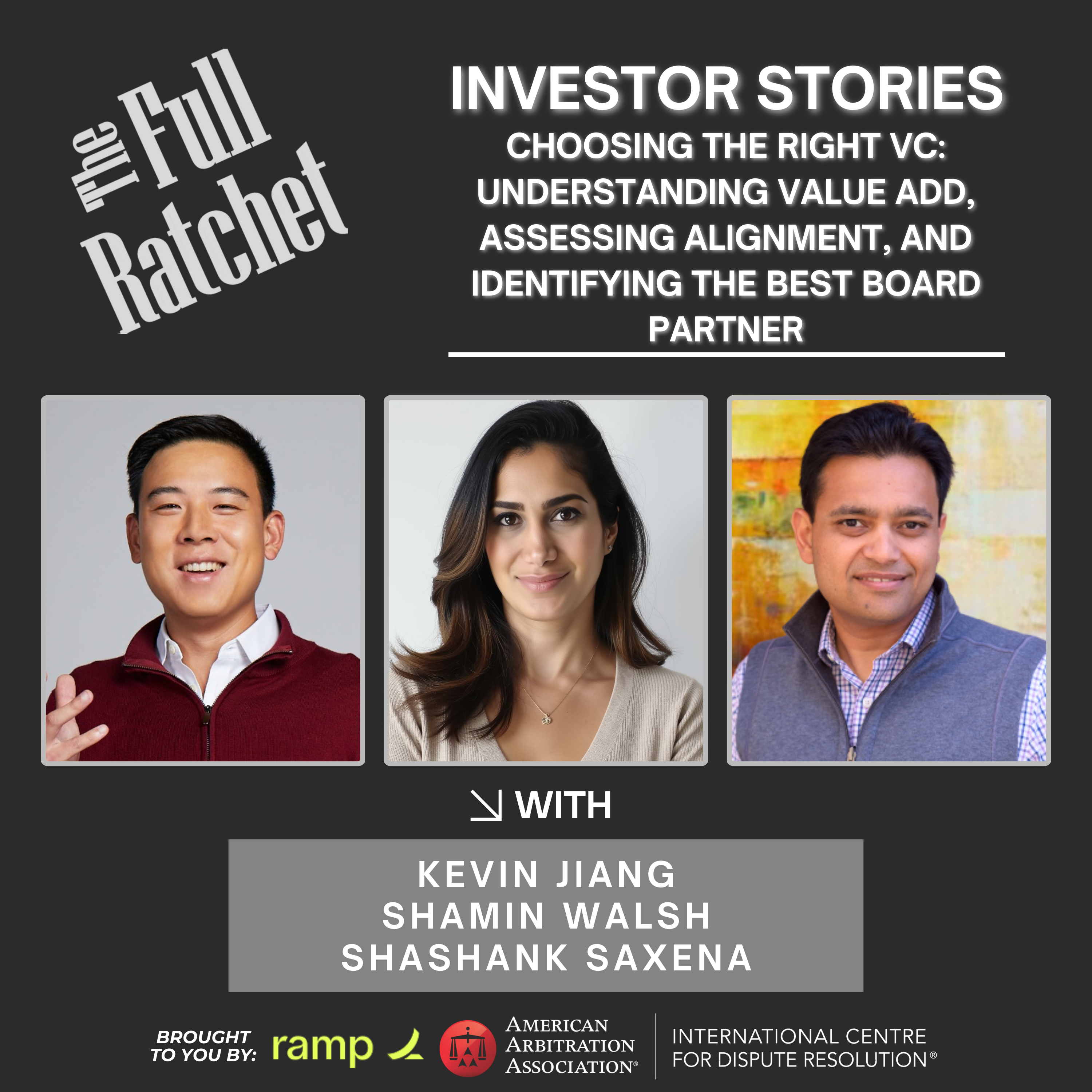
When fundraising, the most critical choice isn't the VC fund's brand but the specific partner who will join the board. Sophisticated founders vet the individual's strengths, weaknesses, and working style, as that person has a more direct impact on the company than the firm's logo on a term sheet.
To maximize value creation, young private equity firm Teopo Capital made a strategic decision to hire a full-time operating partner dedicated to portfolio companies before building out a fundraising team. This signals a deep commitment to hands-on operational improvement as their core strategy.

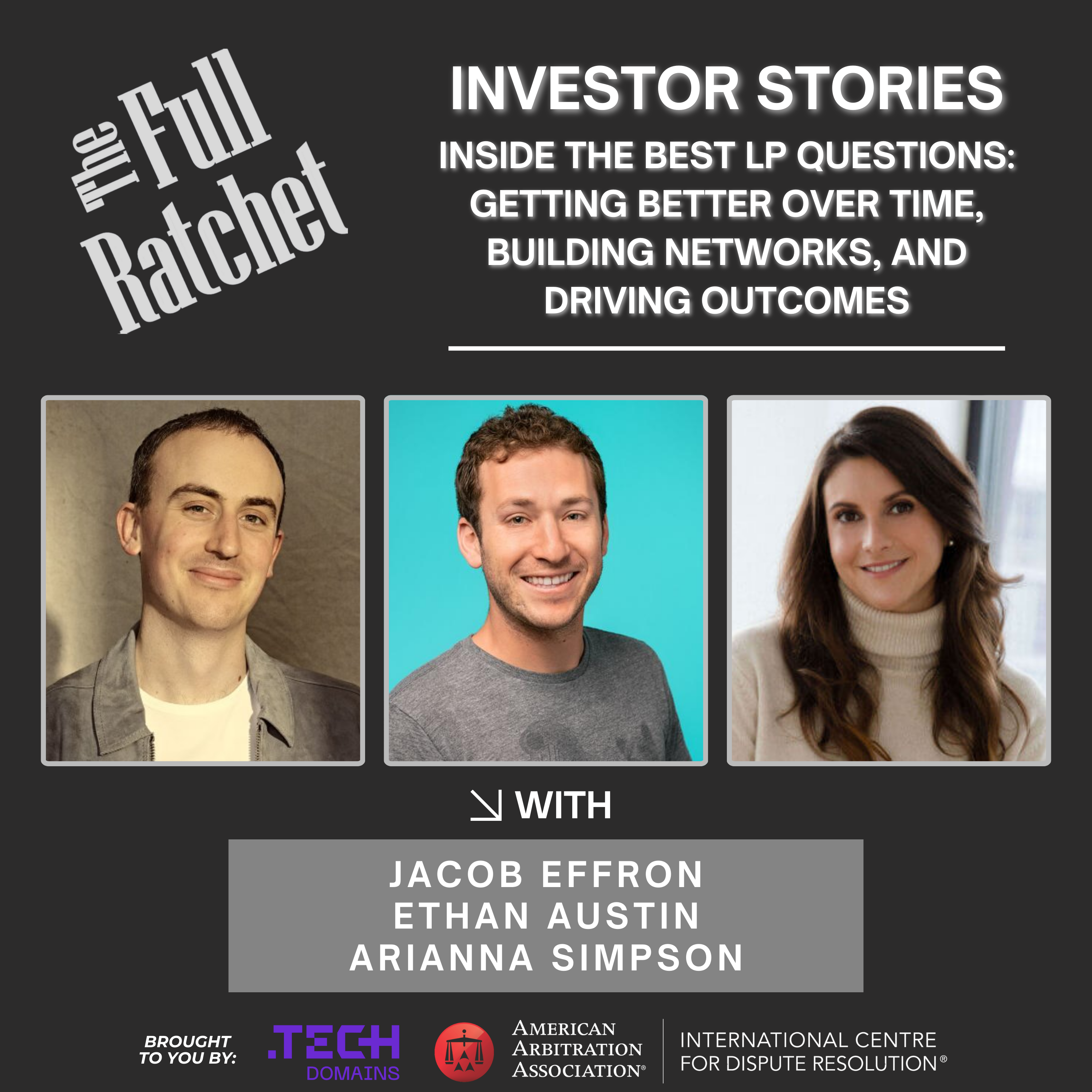
While investing last in a round is less risky, Outside VC's Ethan Austin favors being the first investor. This 'first believer' position allows the firm to have a more significant impact on the company's direction and development, which he finds more rewarding.
Large, contrarian investments feel like career risk to partners in a traditional VC firm, leading to bureaucracy and diluted conviction. Founder-led firms with small, centralized decision-making teams can operate with more decisiveness, enabling them to make the bold, potentially firm-defining bets that consensus-driven partnerships would avoid.

Competing to be a founder's "first call" is a crowded, zero-sum game. A more effective strategy is to be the "second call"—the specialist a founder turns to for a specific, difficult problem after consulting their lead investor. This positioning is more scalable, collaborative, and allows for differentiated value-add.
