Get your free personalized podcast brief
We scan new podcasts and send you the top 5 insights daily.
Rosalind Chow distinguishes mentorship, talking to someone, from sponsorship, talking about someone to an external audience. She tells how David Weinlich's friends filmed a video and campaigned to find him a wife, making him known to potential partners. Their solution was not to coach David but to promote him.

Related Insights
Great mentors explicitly clarify whether a mentee seeks direct advice (mentoring) or guidance to find their own solutions (coaching). This distinction, along with mentee-driven goals, makes the relationship more effective and respects the mentee's agency.

Understand the critical difference between mentorship and sponsorship. A mentor offers advice based on their past experiences. A sponsor actively uses their influence and political capital to create concrete opportunities for your advancement. Career acceleration comes from sponsorship.

Carbone, active in Women in Alliances and Women at Deltek, first thought young women needed mentors to navigate tech. She now argues managers should sponsor talented women by putting them on projects that build business experience and visibility, because simply doing good work does not get noticed.

A key difference between a mentor and a sponsor is the resource they expend. Mentors invest their time to advise you. Sponsors invest their personal credibility and political capital to advocate for you, which is a much higher-stakes commitment that carries tangible risk.

Research shows women often have more mentors than men, but men have significantly more sponsors. Mentors offer advice, while sponsors use their influence to advocate and create opportunities. This distinction is critical for advancement, as sponsorship provides access to roles that mentorship alone cannot.

A mentor demonstrated the power of networking not by explaining it, but by connecting the host to 30 influential people on a Saturday morning. This act of selfless, ego-free connection taught a more powerful lesson than any advice could have, flipping a switch for the mentee's career.

Marketing leader Antonio Lucio championed Sean Summers for key roles at PepsiCo without ever telling him directly. Summers only found out years later. This reveals the profound, often invisible, impact that senior sponsors can have in shaping a high-potential individual's career path.

A mentor helps build your skills and advises you on navigating your career. A sponsor, however, uses their political capital and reputation to advocate for you in high-stakes conversations where promotions and opportunities are decided—rooms you are not in.
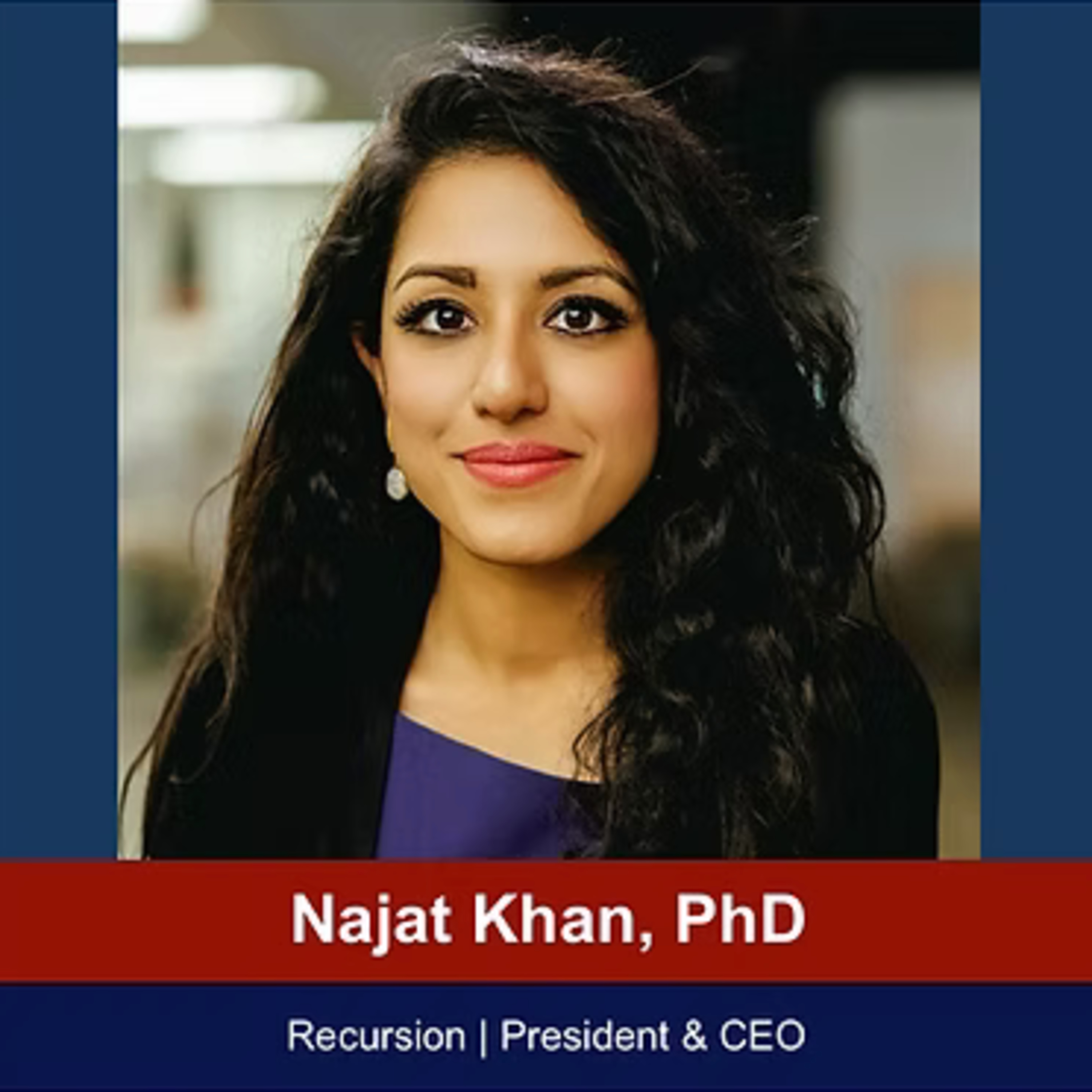
Najat Khan distinguishes between mentors who advise and sponsors who advocate. She argues companies must focus on sponsorship—identifying leaders who will actively champion women when they are not in the room—to create equitable career progression and overcome systemic barriers.
Sponsorship is distinct from mentorship. A sponsor actively uses their influence to create opportunities for you, even when you aren't present. This can involve recommending you for a speaking engagement they must decline or suggesting you for a project. These sponsors can come from unexpected professional circles.