Get your free personalized podcast brief
We scan new podcasts and send you the top 5 insights daily.
Marketing leader Antonio Lucio championed Sean Summers for key roles at PepsiCo without ever telling him directly. Summers only found out years later. This reveals the profound, often invisible, impact that senior sponsors can have in shaping a high-potential individual's career path.

Related Insights
Goldcast's founders actively connected their marketing leader with an experienced CMO and sponsored the engagement. This demonstrates a powerful, tangible investment in professional development that accelerates a leader's growth in navigating executive and board-level challenges.

When asking someone to be your sponsor, directly reference the fact that key decisions happen in private. Use a script like Carla Harris's: state your readiness for promotion and acknowledge that you need an advocate 'pounding the table' on your behalf behind closed doors.

Understand the critical difference between mentorship and sponsorship. A mentor offers advice based on their past experiences. A sponsor actively uses their influence and political capital to create concrete opportunities for your advancement. Career acceleration comes from sponsorship.

Jane Goodall taking a moment to read a manuscript handed to her by a young Paul Rosolie in a 500-person line was the singular event that launched his career. Her endorsement opened doors to publishers, validating the idea that a small, thoughtful gesture from an established figure can be life-changing for emerging talent.

A key difference between a mentor and a sponsor is the resource they expend. Mentors invest their time to advise you. Sponsors invest their personal credibility and political capital to advocate for you, which is a much higher-stakes commitment that carries tangible risk.
Research shows women often have more mentors than men, but men have significantly more sponsors. Mentors offer advice, while sponsors use their influence to advocate and create opportunities. This distinction is critical for advancement, as sponsorship provides access to roles that mentorship alone cannot.

A mentor helps build your skills and advises you on navigating your career. A sponsor, however, uses their political capital and reputation to advocate for you in high-stakes conversations where promotions and opportunities are decided—rooms you are not in.
When Cathy Lanier felt intimidated by a promotion to lead the Special Operations Division, her mentor forced the transfer. She learned that a key role of a mentor is to believe in your capabilities before you do, lending you the confidence needed to take on stretch roles.

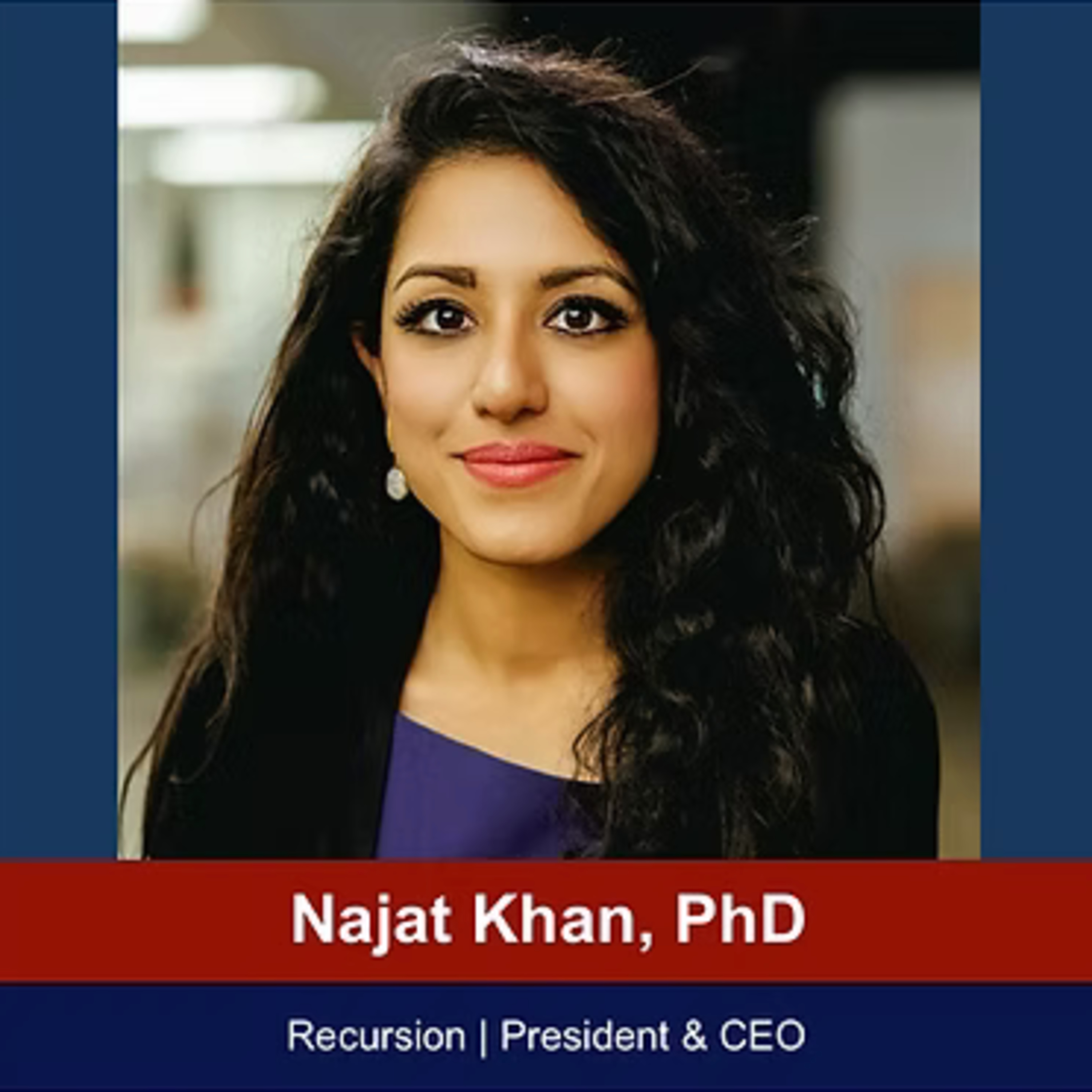
Najat Khan distinguishes between mentors who advise and sponsors who advocate. She argues companies must focus on sponsorship—identifying leaders who will actively champion women when they are not in the room—to create equitable career progression and overcome systemic barriers.
Sponsorship is distinct from mentorship. A sponsor actively uses their influence to create opportunities for you, even when you aren't present. This can involve recommending you for a speaking engagement they must decline or suggesting you for a project. These sponsors can come from unexpected professional circles.
