Get your free personalized podcast brief
We scan new podcasts and send you the top 5 insights daily.
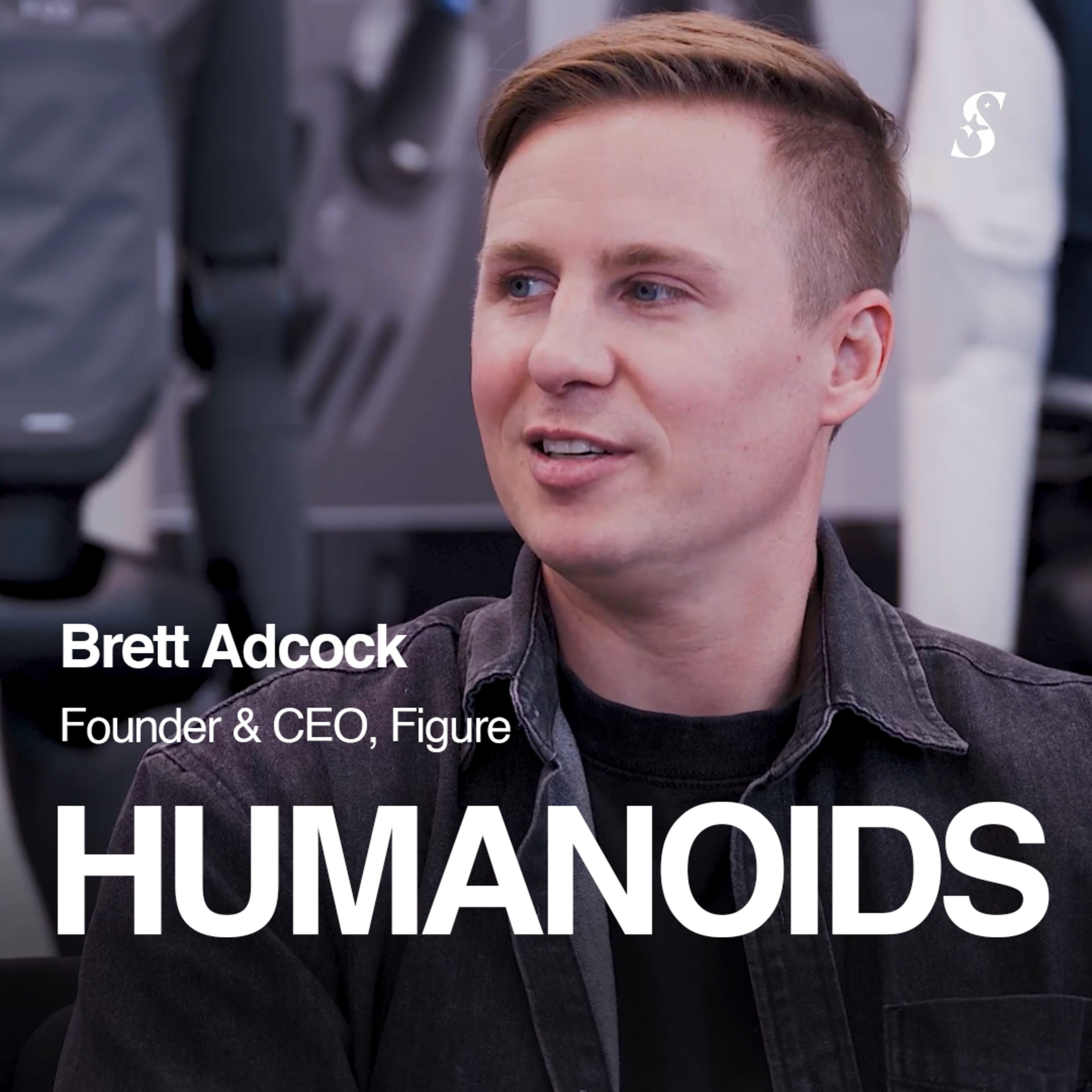
To run multiple deep-tech companies, Adcock made a radical decision five years ago to cut out all non-essential social activities, such as annual trips with friends. He dedicates his time strictly to his family and his companies, viewing this extreme focus as necessary for high performance.
Related Insights
Yamini Rangan pushes back against the pressure to have impressive hobbies, sharing that she focused on being a present mother and excelling at work. This offers a validating perspective for ambitious professionals who prioritize core life areas over developing external interests.

To maintain performance over the long term, Canva's CEO deliberately creates strict boundaries between work and life. By removing email from her phone, she can be "all in" when working at her laptop and "all out" when she's not, allowing for true mental separation and recovery.

Adcock founded not only Figure but also Cover (weapons detection) and HARC (AI). His thesis for serial entrepreneurship is to intervene in critical sectors he feels are progressing too slowly or with flawed engineering decisions, believing his direct involvement is necessary to correct their trajectory and accelerate progress.
Founders must accept a lifestyle that excludes most social activities. The intense, shared mission of building a company fosters deep connections with colleagues that supplant traditional friendships. This sacrifice is a prerequisite for high-commitment entrepreneurship.
Conventional advice about work-life balance to avoid burnout is counterproductive for founders with extreme ambitions. Building a massive, venture-scale company requires a level of obsessive focus and sacrifice that is inherently unbalanced. For this specific phase of life, prioritizing the company above all else is necessary for success.

When asked why he wasn't a billionaire, Mike Lazaro explained that achieving that level of wealth would have required sacrificing his presence at his kids' games and family dinners. Their family consciously 'drew the line,' choosing to be home by 6 p.m. instead of optimizing solely for money, a trade-off they believe was essential for a fulfilling life.

Despite his success, Matt Paulsen maintains a rigid boundary to protect his family life. Because his daughter requires significant attention, he systematically declines 2-3 evening event invitations per week, stating he'll be home with his kids, prioritizing being present during their childhood over networking.
The intense stress of leading a public company erodes health and personal relationships. The antidote isn't working less, but scheduling small, 10-minute blocks of being 100% present with family and adopting hobbies like surfing that physically require you to disconnect from work.

For 22 years, Ryan Smith's focus was monastically singular on Qualtrics. He didn't angel invest, sit on other boards, or have any side hustles. This intense, long-term dedication, avoiding all distractions, was a critical factor in the company's multi-billion dollar outcome.

The key similarity between Steve Jobs and Tim Cook is not style, but a shared, intense work ethic and singular focus on two things: the company and their family. This product-first, family-centric focus is a core cultural driver at Apple's highest level.
