Get your free personalized podcast brief
We scan new podcasts and send you the top 5 insights daily.
For tasks that don't require immediate results, like generating a day's worth of social media content, using batch processing APIs is a powerful cost-saving measure. It allows agents to queue up and execute large jobs at a fraction of the price of real-time generation.

Related Insights
Beyond generative AI for content creation, agentic AI offers immense value by automating tedious, error-prone governance tasks. AI agents can manage compliance, routing, and metadata tagging at scale, turning previously manual and costly work into an automated workflow.
The necessity of batching stems from a fundamental hardware reality: moving data is far more energy-intensive than computing with it. A single parameter's journey from on-chip SRAM to the multiplier can cost 1000x more energy than the multiplication itself. Batching amortizes this high data movement cost over many computations.
AI applications often have long waiting periods for model responses or user input, but traditional cloud platforms charge for this idle time. Vercel's "Fluid Compute" is designed so customers only pay when the application is actively processing, making it fundamentally more cost-effective for AI workloads.

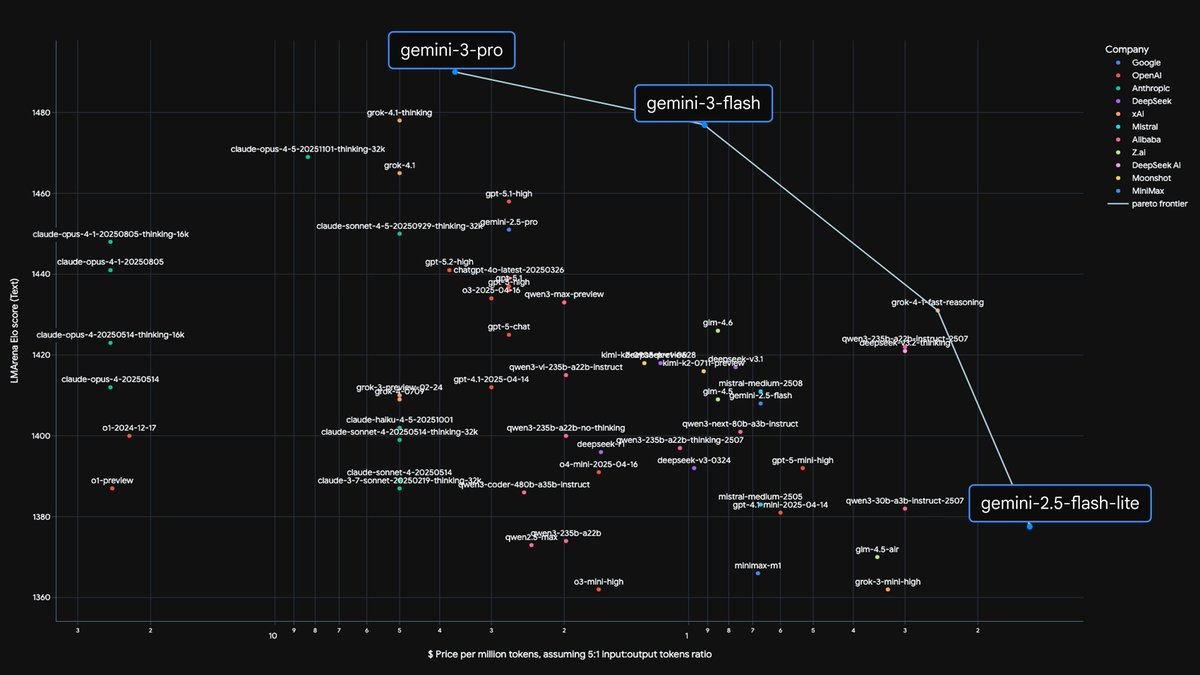
Relying solely on premium models like Claude Opus can lead to unsustainable API costs ($1M/year projected). The solution is a hybrid approach: use powerful cloud models for complex tasks and cheaper, locally-hosted open-source models for routine operations.

While seemingly logical, hard budget caps on AI usage are ineffective because they can shut down an agent mid-task, breaking workflows and corrupting data. The superior approach is "governed consumption" through infrastructure, which allows for rate limits and monitoring without compromising the agent's core function.

A hybrid approach to AI agent architecture is emerging. Use the most powerful, expensive cloud models like Claude for high-level reasoning and planning (the "CEO"). Then, delegate repetitive, high-volume execution tasks to cheaper, locally-run models (the "line workers").

The agent development process can be significantly sped up by running multiple tasks concurrently. While one agent is engineering a prompt, other processes can be simultaneously scraping websites for a RAG database and conducting deep research on separate platforms. This parallel workflow is key to building complex systems quickly.

To optimize AI costs in development, use powerful, expensive models for creative and strategic tasks like architecture and research. Once a solid plan is established, delegate the step-by-step code execution to less powerful, more affordable models that excel at following instructions.

Use advanced AI features like ChatGPT's "agent mode" to perform multi-step, autonomous research. Schedule recurring tasks for the AI to analyze the latest social media algorithm changes and generate content strategies based on its findings, saving significant time.

A cost-effective AI architecture involves using a small, local model on the user's device to pre-process requests. This local AI can condense large inputs into an efficient, smaller prompt before sending it to the expensive, powerful cloud model, optimizing resource usage.
