Get your free personalized podcast brief
We scan new podcasts and send you the top 5 insights daily.
A $3-5M/episode drama from Canada's Crave streaming service became a global phenomenon, outshining $50M/episode Hollywood productions. This validates the independent media model for scripted television, where authentic, low-cost content can find massive global audiences.

Related Insights
Streaming services and cable news need cheaper content. Podcasts, which are essentially TV shows with a lower-cost production model, provide the perfect solution. Repurposing popular podcasts for television offers a huge arbitrage opportunity, allowing networks to fill airtime at a fraction of the traditional cost.

Tubi's CEO argues that the media industry's focus on consolidation misses the bigger story. The more profound shift is the convergence of the creator economy and traditional Hollywood, which is fundamentally changing how content is made, distributed, and consumed by the next generation of viewers.

Creators argue audiences prefer content with accessible equipment in public spaces. This relatability fosters a sense of community ("I could be on that"), giving them an edge over polished, high-budget studio productions that feel distant to the viewer.

Traditional media companies are turning to successful YouTube creators to source proven concepts and talent. They offer upfront capital to scale existing YouTube IP into larger productions, creating a symbiotic relationship between once-separate platforms.

The $7B microdrama industry validated Quibi's short-form content idea but corrected its flawed business model. Instead of monthly subscriptions, successful apps use a freemium model with addictive cliffhangers that compel users to make small, frequent micropayments to continue watching.

Episodes that underperformed with the general audience, like those on Nintendo or cricket, proved invaluable by attracting influential "superfans," including Meta executives and author Michael Lewis. This shows that catering to a passionate niche can yield more strategic value than broad, moderate appeal.

ChinaTalk, with a staff of five and a ~$500K budget, achieved nearly double the subscribers (65,000) of a competitor think tank with a reported $20M budget and 30 staff. This highlights the efficiency and reach of modern, creator-led media models compared to traditional institutions.

Independent animators are bypassing Hollywood gatekeepers by building massive fandoms directly on YouTube. By proving their IP with hundreds of millions of views and monetizing via merch, they gain incredible leverage, forcing studios to come to them with favorable deals.

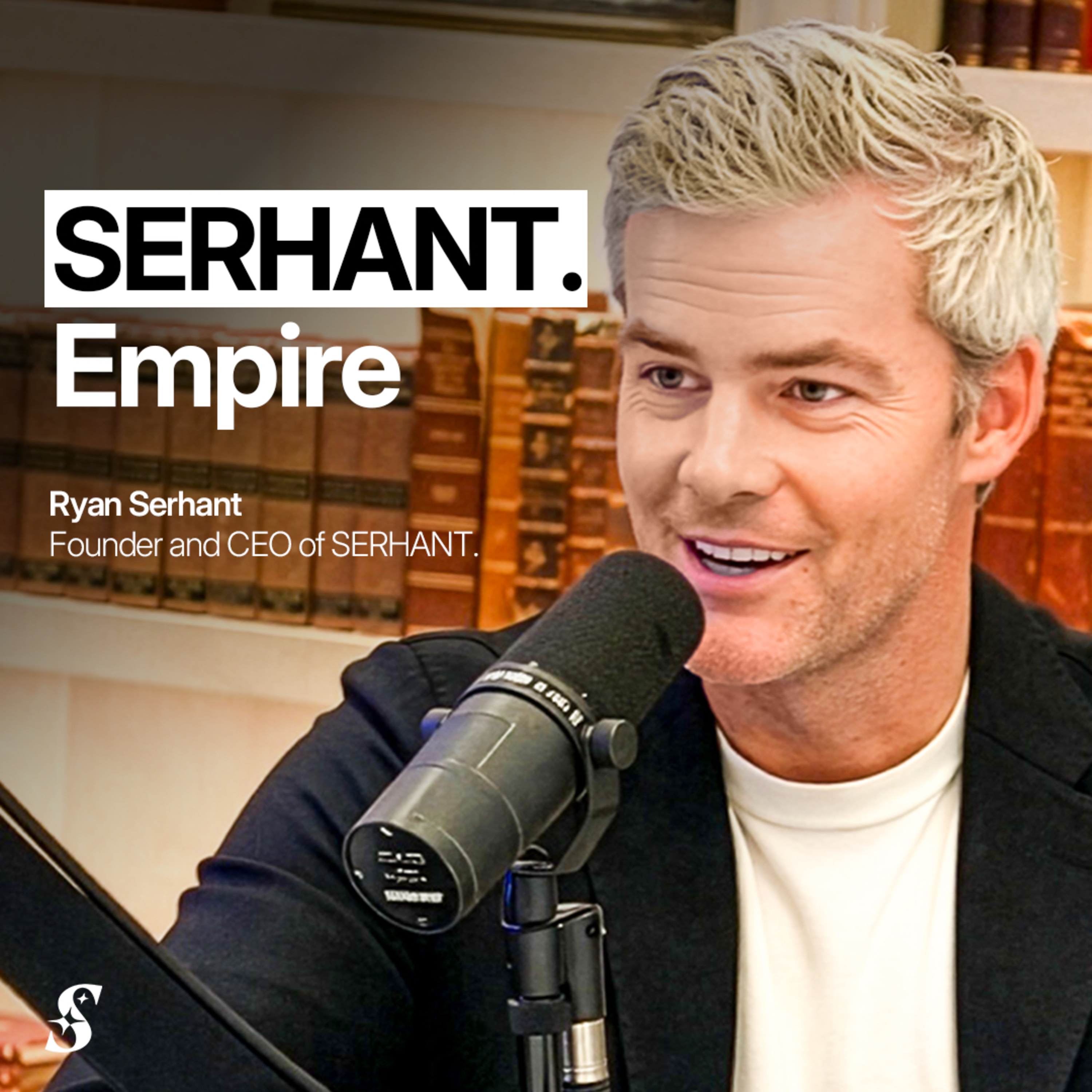
While traditional TV (Bravo) built his brand slowly over a decade, Serhant's Netflix show had a life-changing impact within three weeks. The platform's global reach and 'Top 10' recommendation engine present a show to 300 million users simultaneously, creating an instant, massive influx of customers and recruits that is unparalleled.
With only 10,000 subscribers, plumber Roger Wakefield secured a $400,000 sponsorship deal. This proves that for creators in specialized industries, a highly-engaged, niche audience is far more valuable to relevant brands than a massive, generalist following, justifying premium rates.
