Get your free personalized podcast brief
We scan new podcasts and send you the top 5 insights daily.
Churchill's initial Gallipoli plan relied exclusively on naval bombardment to force Constantinople's surrender, a fundamental strategic error. As even his allies noted, ships cannot occupy cities or hold ground. This flawed premise guaranteed the initial operation's failure and forced a bloody land invasion.

Related Insights
As Australian troops pushed inland at Gallipoli, Ottoman forces began to retreat. Their commander, Mustafa Kemal, personally rallied them with the famous command, "I don't order you to attack. I order you to die." This single act of leadership reversed the retreat and drove the ANZACs back to the beach.
In conflicts, a critical error is to believe that escalating pressure will automatically force an opponent to back down. This overlooks that for the adversary, the fight may be existential, leaving them no room to retreat and thus leading to a more dangerous conflict.

The Gallipoli campaign was conceived by Churchill as a brilliant "wheeze" to bypass the stalemate of trench warfare on the Western Front. The ultimate irony is that its failure led to the creation of a new front, where soldiers dug into trenches under even more hellish conditions.
Initial military actions, like successful bombings, can feel like victories. However, they often fail to solve the core political issue, trapping leaders into escalating the conflict further to achieve the original strategic goal, as they don't want to accept failure.

Churchill viewed the war as a "glorious, delicious" adventure. This personal excitement and desire for a grand "wheeze" led him to champion the ill-conceived Gallipoli plan, overriding cautious advisors and ignoring clear risks, ultimately leading to a catastrophe.
The entire British Gallipoli strategy was predicated on the racist assumption that Ottoman "Turk" soldiers were inferior and would quickly flee. This belief caused planners to ignore the enemy's battle-hardened status, defensive preparations, and strong motivation, with fatal consequences.
A military strategy of capturing key territory, like islands in the Strait of Hormuz, may seem decisive but often fails to end a conflict. The occupying force can become stuck defending the territory indefinitely, unable to guarantee safety for commercial interests and risking further escalation.
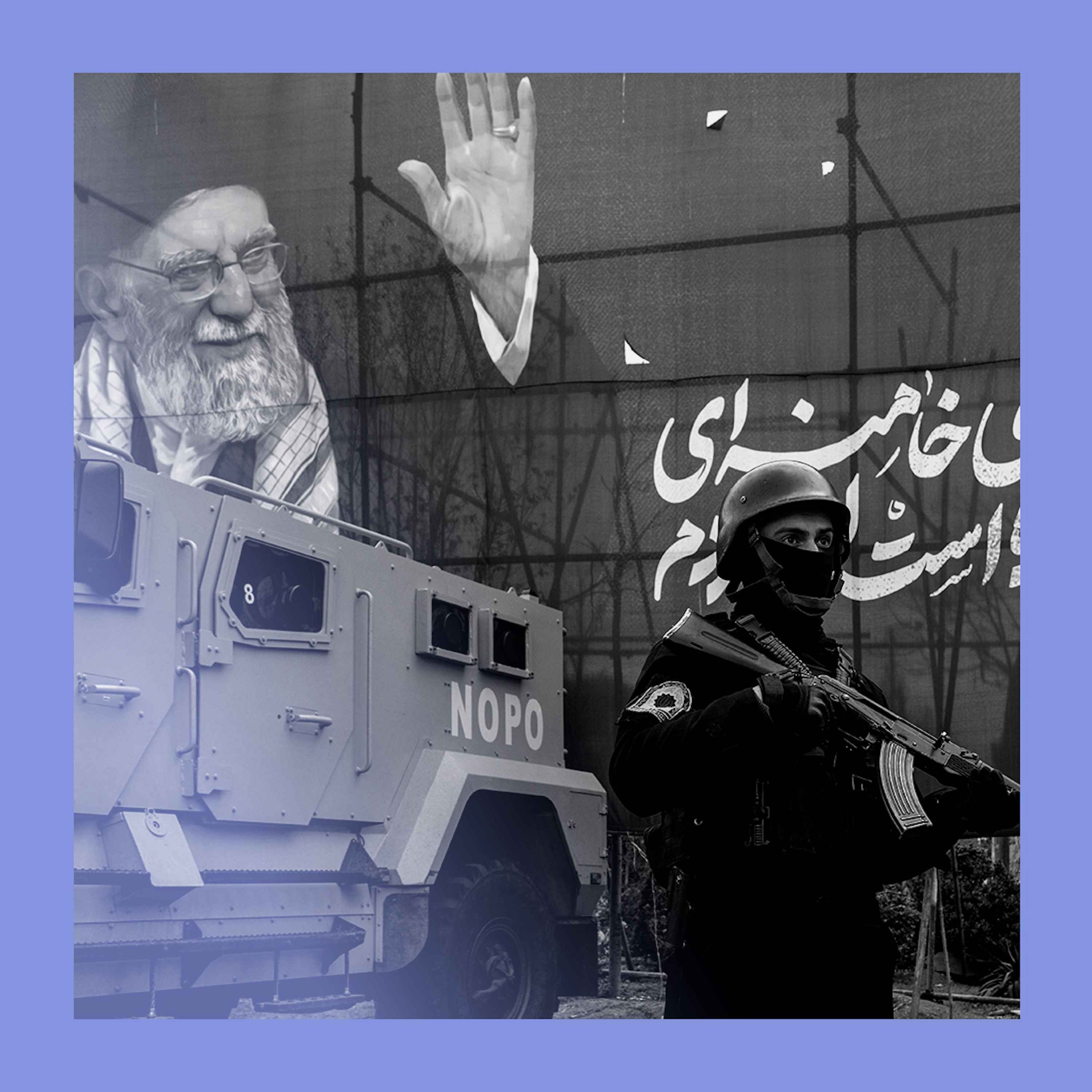
First Lord of the Admiralty Winston Churchill deliberately withheld negative assessments from his own naval experts who called the Gallipoli plan "impossible." His infatuation with the scheme led him to present a dishonestly optimistic case to the War Council.
After the initial naval attack at Gallipoli failed disastrously, the British War Council chose to escalate by sending ground troops. The decision was driven not by strategy, but by the need to justify the initial losses of ships and lives, a classic example of the sunk cost fallacy.
Contrary to expectations of a high-tech war, the conflict in Ukraine demonstrates enduring principles of warfare. The superiority of defense over offense, the difficulty of breakthroughs without air power, and the tendency toward attrition are all classic lessons that would be recognizable to strategists from past major conflicts.
