Get your free personalized podcast brief
We scan new podcasts and send you the top 5 insights daily.
Protective mental systems routinely overgeneralize past negative encounters by converting mere potential hazards into absolute certainties. Pausing to question whether a reaction stems from immediate reality or historical conditioning creates space for productive curiosity instead of dread.

Related Insights
It's a misconception that we inherently have more negative than positive thoughts. Negative thoughts simply command more of our attention because they are perceived by our brains as threats to survival. Your mind is wired to focus on and resolve these disruptive signals, making them feel more powerful and prevalent.

The brain is designed to predict and protect, turning past trauma into a fear of future scenarios. This survival mechanism, while useful, is a horrific way to live a thriving life, as it keeps us constantly trying to avoid a bad future that hasn't happened yet.

A study found participants were more stressed by a 50% chance of an electric shock than a 100% chance. This shows we are wired to find uncertainty more painful than a guaranteed negative outcome. In business, this discomfort with the unknown can lead to paralysis and inaction.

Our brains are hardwired with a negativity bias. Media business models exploit this by amplifying bad news, inducing a state of hypervigilance. This constant threat-detection mode cognitively impairs performance by narrowing attention, reducing working memory, and wrecking creative problem-solving capabilities.
During the COVID pandemic, some people drank bleach because our brains are wired to despise uncertainty. In the absence of clear answers, we gravitate towards any promised solution, however dangerous, because taking action provides a false sense of control.
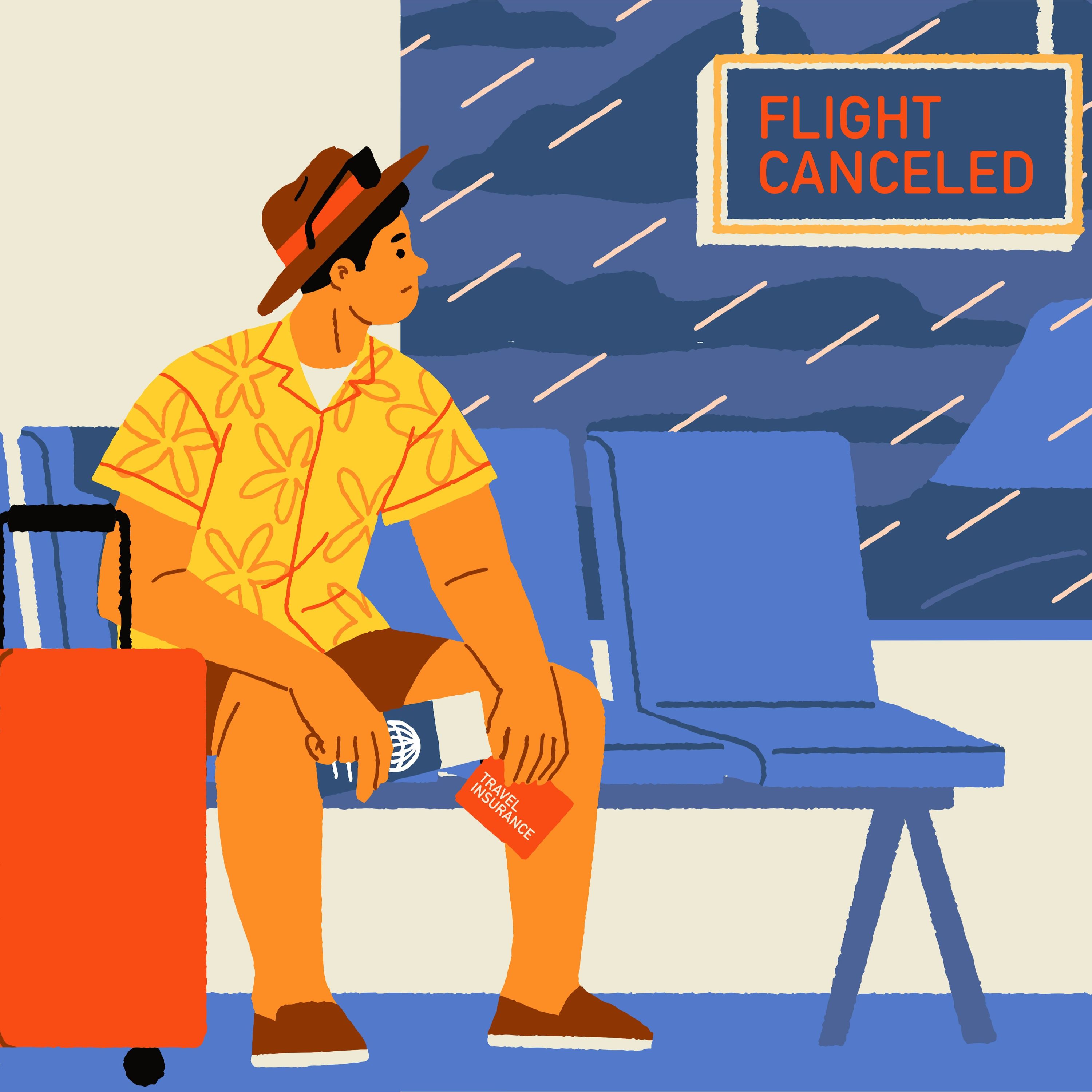
Many individuals develop a mental framework that forces them to seek negative aspects, even in positive circumstances. This is often a conditioned behavior learned over time, not an innate personality trait, and is a primary obstacle to personal happiness.

To avoid the discomfort of ambiguity, people would rather invent a definite, albeit catastrophic, future scenario. This cognitive bias highlights a deep-seated need for certainty, even if the certainty imagined is terrifying or supernatural. Dealing with the simple truth of "I don't know" is often more psychologically challenging than confronting a known disaster.

Overthinking isn't a cognitive flaw but a protective mechanism. When your brain doesn't trust your ability to handle uncertainty, it generates endless negative scenarios to create a false sense of control. The solution isn't clearer thoughts, but deeper self-trust.

We inherit a brain that defaults to worst-case scenarios because our ancestors who did so were more likely to survive threats like the Ice Age. Understanding this biological predisposition as a feature, not a bug, is the first step to managing it, rather than seeing it as a personal flaw.
Humans are biased to overestimate downside and underestimate upside because our ancestors' survival depended on it. The cautious survived, passing on pessimistic genes. In the modern world, where most risks are not fatal, this cognitive bias prevents us from pursuing opportunities where the true upside is in the unknown.
