Get your free personalized podcast brief
We scan new podcasts and send you the top 5 insights daily.
In a crowded market, a leader who lives and breathes the business, acting as a charismatic ambassador, can be the deciding factor in its success. Visionary leadership that inspires the team and the market is crucial. A technically superior product can fail under a flat, uninspiring leader.

Related Insights
A founder's deep, intrinsic passion for their company's mission is critical for long-term success. Even with a sound business model, a lack of genuine care leads to burnout and failure when challenges arise. Leaders cannot sustain success in areas they consider a distraction from their "real" passion, like AGI research versus product monetization.

To be truly successful, a product leader cannot just focus on features and users. They must operate as the head of their product's business, with a deep understanding of P&Ls, revenue drivers, and capital allocation. Without this business acumen, they risk fundamentally undercutting their product's potential impact and success.

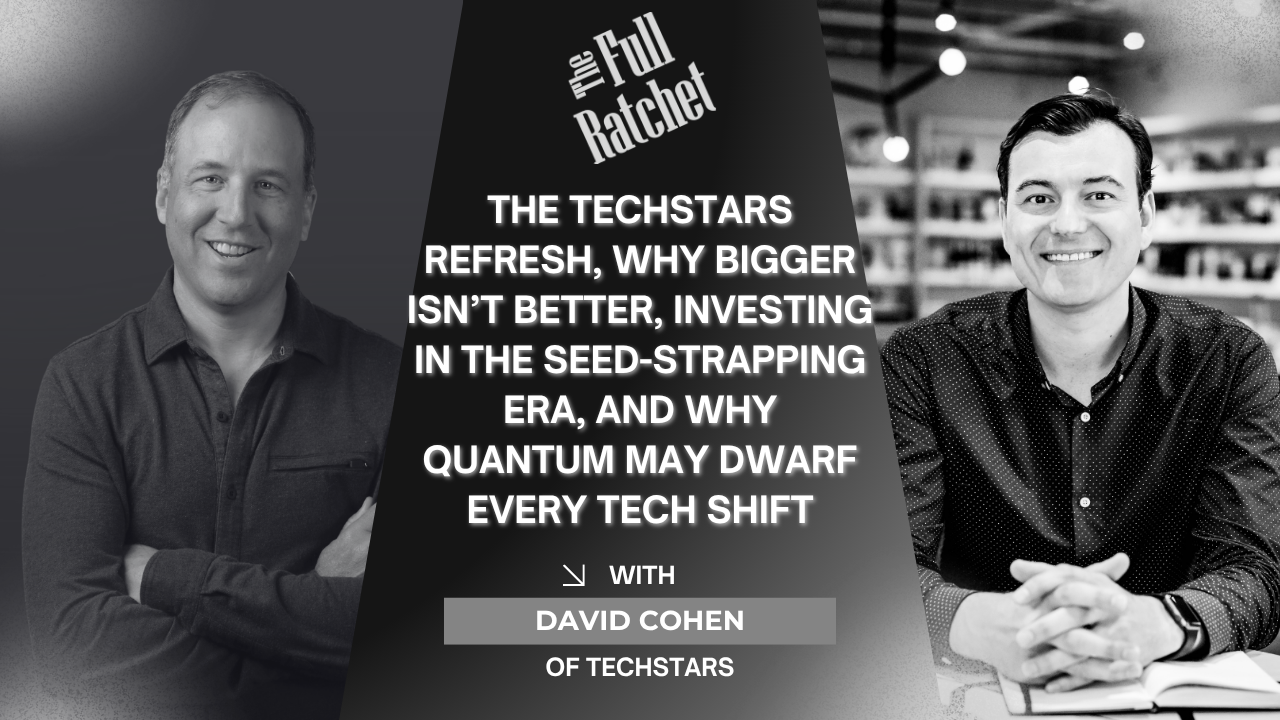
According to Techstars' CEO David Cohen, standout AI companies are defined by their leadership. The CEO must personally embody an "AI-first" mindset, constantly thinking about leverage and efficiency from day one. It's not enough to simply lead a team of engineers who understand AI; the strategic vision must originate from the top.
A successful startup often resembles a cult, requiring a leader who communicates their vision with unwavering, first-person conviction. Hiding the founder behind polished PR spokespeople is a mistake; it neuters the contagious belief required to recruit talent and build a movement against impossible odds.

While legendary founders have vastly different personalities, they consistently share two qualities: they are true original thinkers who don't simply 'read the room,' and they have enough personal charisma or are compelling enough to make people want to follow them.
The marketing playbook has shifted from promoting products to promoting the personality behind them (e.g., Tesla is Elon Musk). A company without a founder or CEO who can act as a public "character" struggles to gain traction, as corporate messaging accounts are no longer effective in a noisy media environment.
The nature of marketing has shifted from promoting a faceless corporation to showcasing an authentic founder personality. Companies without an interesting character at the helm are at a disadvantage. This requires leaders to be public figures, as their personal brand, story, and voice are now integral to the company's identity and success.

There are no universal leadership traits; successful leaders can be introverts, extroverts, planners, or chaotic. What they share is the ability to make others feel that following them will lead to a better tomorrow. This emotional response is what creates followers, not a specific checklist of skills.

The CEO of Peptilogics boils down leadership in the unpredictable, long-haul life sciences industry to three traits. Leaders must adapt to rapid changes, maintain a steady hand for the decade-plus development cycles, and provide a clear, guiding vision throughout.

A CEO is always selling their company's story—to investors, hires, and customers. An investor's first filter is whether the CEO can get them interested and excited in the first 30 seconds. If it takes a 35-slide deck to explain the vision, the opportunity is likely already lost.