Get your free personalized podcast brief
We scan new podcasts and send you the top 5 insights daily.
To prove monetization potential to investors, The League implemented a fake 'upgrade' button. This captured user intent to pay without the engineering overhead of building billing and refund systems, providing valuable data to investors with minimal effort.

Related Insights
To test demand for an 'email campaigns' feature, Mailtrap added a non-functional button to their main menu. Clicking it led to a survey asking users what they wanted. This simple, no-code experiment generated 300 detailed replies in weeks without any incentives, validating the idea and creating a user-driven feature roadmap before any development began.

Instead of a functional prototype, Mirror's founder raised a seed round with a "smoke and mirrors" version: an animated video behind one-way glass. This focused on selling the *feeling* and brand experience to investors, proving demand before spending capital on complex engineering.
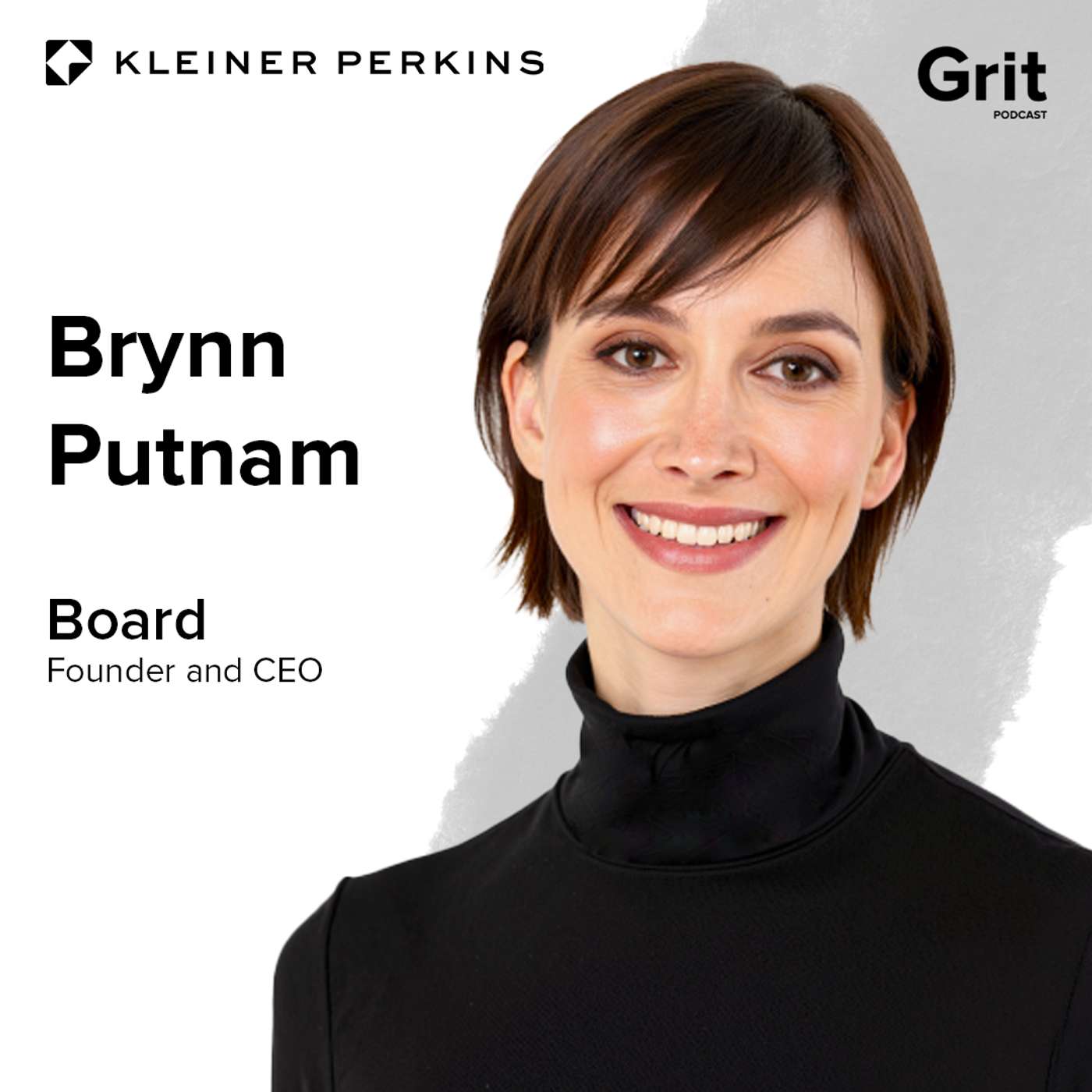
Validate business ideas by creating a fake prototype or wireframe and selling it to customers first. This confirms demand and secures revenue before you invest time and money into development, which the speaker identifies as the hardest part of validation.

Before writing code, you can string together hyperlinked screenshots in a design tool like Figma. This creates a 'hacky' prototype that feels like a fully built app to potential customers, allowing for rapid, low-cost user testing and validation.
Validate startup ideas by building the simplest possible front end—what the customer sees—while handling all back-end logistics manually. This allows founders to prove customers will pay for a concept before over-investing in expensive technology, operations, or infrastructure.

Replace speculative feedback from discovery calls with a process that would be "weird if it didn't work." First, get strangers to pre-pay for a solution. Then, deliver it manually. This confirms real demand (payment) and validates the solution's value (retention) before writing code.

Crisp.ai's founder advocates for selling a product before it's built. His team secured over $100,000 from 30 customers using only a Figma sketch. This approach provides the strongest form of market validation, proving customer demand and significantly strengthening a startup's position when fundraising with VCs.
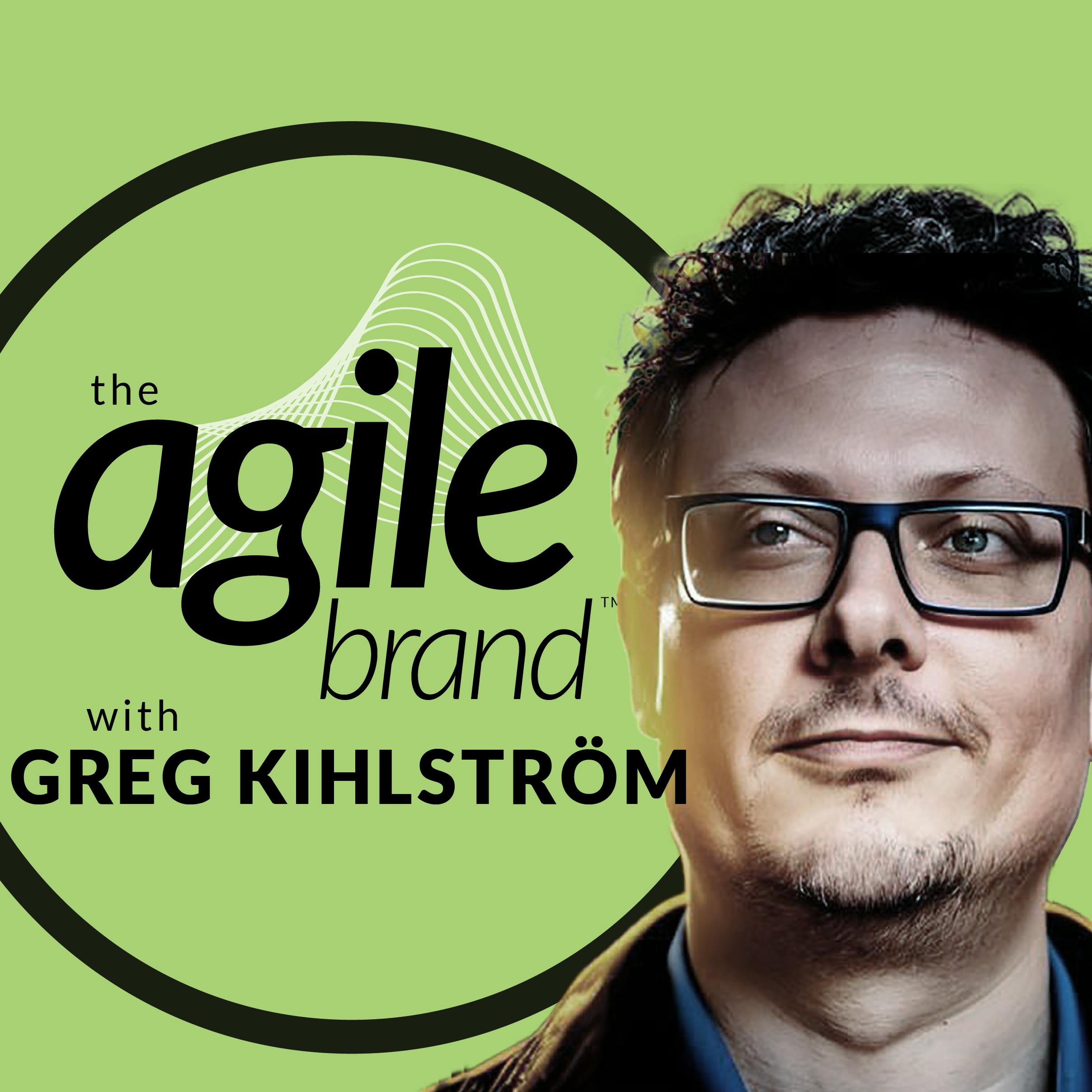
Before securing an insurance partner, Sure's founder built a prototype, spent a few thousand on ads, and achieved a 15.9% conversion rate. A fake payment error revealed intense user demand when people tried to buy up to seven times, confirming the idea's viability before building the real product.

Validate market demand by securing payment from customers before investing significant resources in building anything. This applies to software, hardware, and services, completely eliminating the risk of creating something nobody wants to buy.
A powerful, low-cost way to validate demand is to cold message thousands of potential users on platforms like Facebook groups. Crucially, ask for a small payment upfront (e.g., $20). This filters out polite but non-committal interest, providing a strong signal of genuine need and willingness to pay.
