Get your free personalized podcast brief
We scan new podcasts and send you the top 5 insights daily.
For founders, angel investing is a "game changer" not for financial returns, but for intelligence. Investor updates from non-competitive portfolio companies provide real-time data on valuations, hiring trends, and effective marketing channels, creating a powerful private knowledge base.

Related Insights
To win deals without an established brand, VCs can provide tangible value upfront. Sending founders a detailed, AI-generated report on their market, competitors, and website maturity before the first meeting demonstrates insight, builds credibility, and frames the VC as a valuable product partner.
Rather than being a negative trait, a VC firm's "power"—its network and ability to influence outcomes—is a critical service for founders. Entrepreneurs have great ideas but lack access. The VC's role is to provide that power to open doors for sales, policy, and partnerships, acting as a force multiplier.

Successful founders treat investors as more than just a source of capital. They actively listen to investor 'chatter' to gain insights on competitors, commercial viability, and market trends. This feedback loop acts as a form of human-powered AI, helping to continuously learn and make key business adjustments.

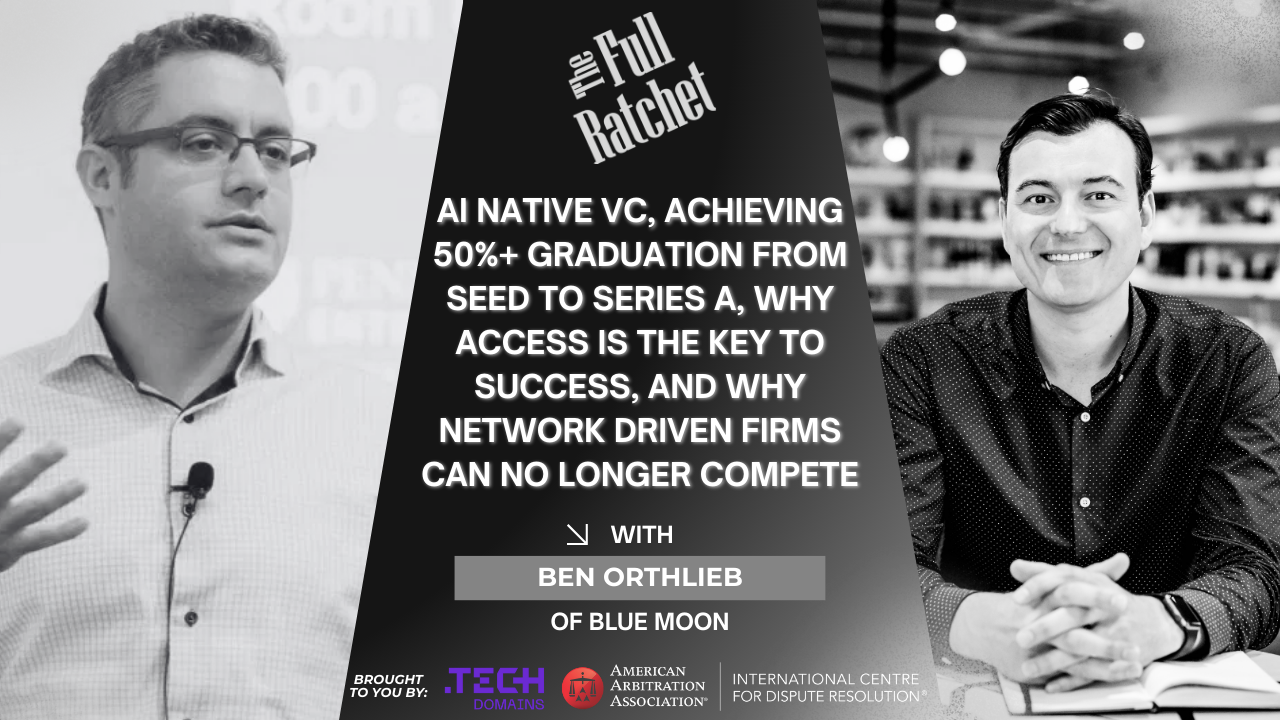
Traditional VC reliance on "differentiated networks" is obsolete as data sources and professional networks are now commodities. To compete, modern VCs must replace this outdated advantage with proprietary intelligence platforms that algorithmically source deals and identify the right signals for where to focus time.
Investors aren't just deploying capital; they're looking for opportunities where their specific expertise and network can directly add value, either by reducing costs or increasing sales. Founders should pitch not just their company, but how a specific investor's involvement creates a unique advantage.

The most fulfilling and effective angel investments involve more than capital. Founders benefit most from investors who act as operators, offering hands-on help and staying involved in the business. This approach is more rewarding and can lead to better outcomes than passive check-writing.

Ron Conway of SV Angel argues that top-tier angel investing isn't passive. It's an active, holistic approach to helping the "whole founder" with their career, team-building, and even personal crises. The mantra is "you're all in or don't bother," treating founders as people to advocate for, not just investments.

In a market where capital is a commodity, early-stage founders prioritize VCs who provide an immediate, tangible edge. The most valuable contributions are warm introductions to land first customers, network access to secure the next round of funding, and unfiltered feedback from experienced operators.

The founders who win are those who relentlessly leverage their investors and advisors. Instead of radio silence after the investment, they are in constant communication, seeking advice and treating their network as an extension of their company's core team.

The most potent source of new, truly cutting-edge investment opportunities isn't inbound emails or demo days, but rather the networks of the exceptional founders and scientists you've already backed. These individuals are at the frontier and can identify the next wave of talent.
![[REPLAY] Josh Wolfe – Seeing the Lux (Capital Allocators, EP.65) thumbnail](https://static.libsyn.com/p/assets/f/b/7/6/fb76e1c8bfb69e8dd959afa2a1bf1c87/CA_Square_logo_light_background_6.26.24.jpg)