Get your free personalized podcast brief
We scan new podcasts and send you the top 5 insights daily.
Ron Conway of SV Angel argues that top-tier angel investing isn't passive. It's an active, holistic approach to helping the "whole founder" with their career, team-building, and even personal crises. The mantra is "you're all in or don't bother," treating founders as people to advocate for, not just investments.

Related Insights
Ron Conway demonstrates that the ultimate value of an investor's network isn't just business intros, but the ability to solve a founder's most pressing personal problems. He cites an example of connecting a founder to the head of neurology at UCSF when their mother was diagnosed with cancer, providing immense personal support.
A16z's foundational belief is that founders, not hired "professional CEOs," should lead their companies long-term. The firm is structured as a network of specialists to provide founders with the knowledge and connections they lack, enabling them to grow into the CEO role and succeed.

SV Angel's model is to remain hands-off until founders face a critical "inflection point." When COVID hit, Airbnb's board told Brian Chesky they couldn't raise money. Conway stepped in, provided conviction that the game was not over, and helped them secure a round in ten days, saving the company.
Drawing an analogy to legendary music producer Rick Rubin, an investor's role is to help a founder find the most authentic and compelling version of their own story. The goal is not to invent a narrative, but to draw out the founder's core truth and channel it through their company.
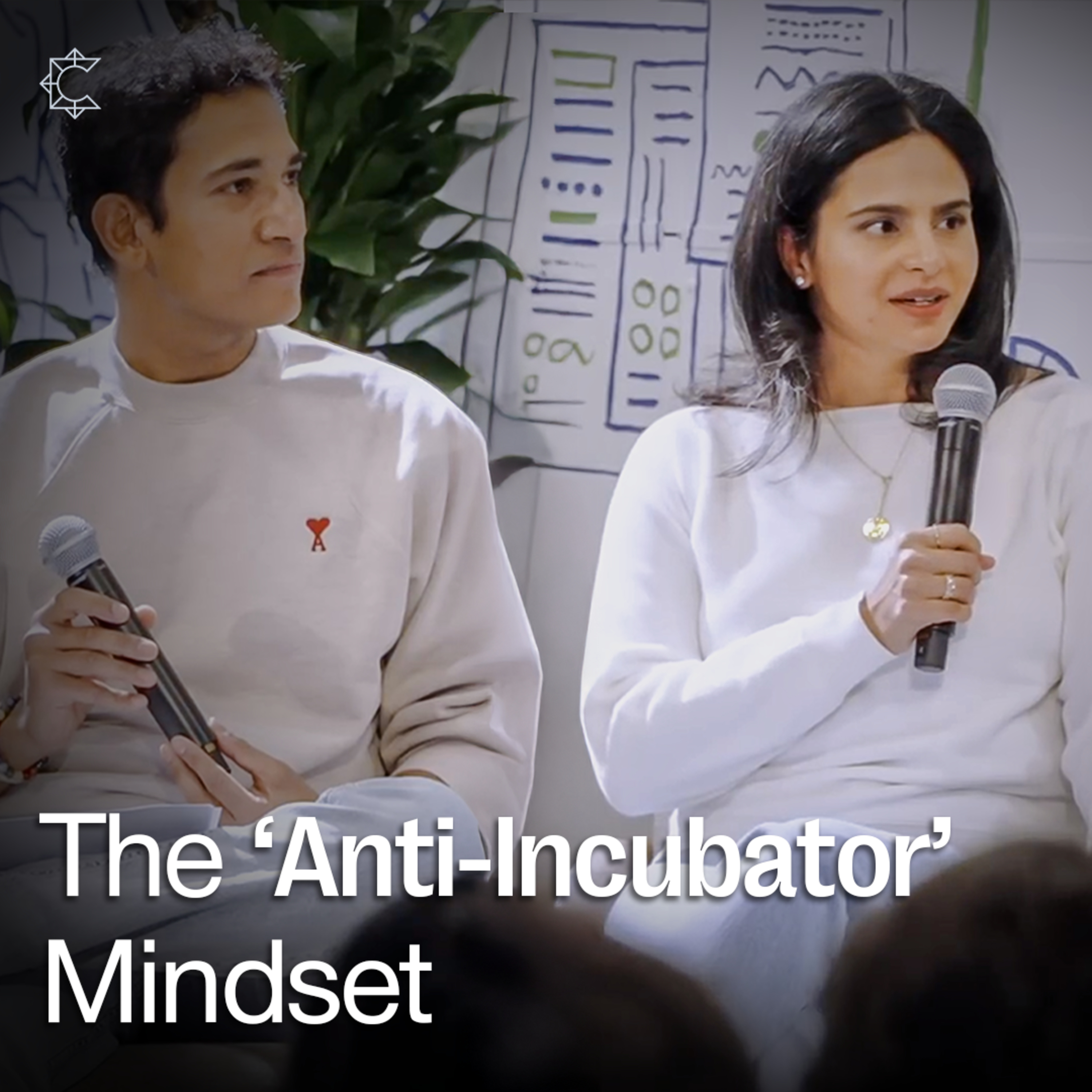
Thrive Capital's strategy of making a few large bets is not just for financial returns. It's an ideological choice to align with "life's work founders" for whom their startup is a portfolio of one. This ensures every win feels great and every loss hurts, creating true skin in the game.
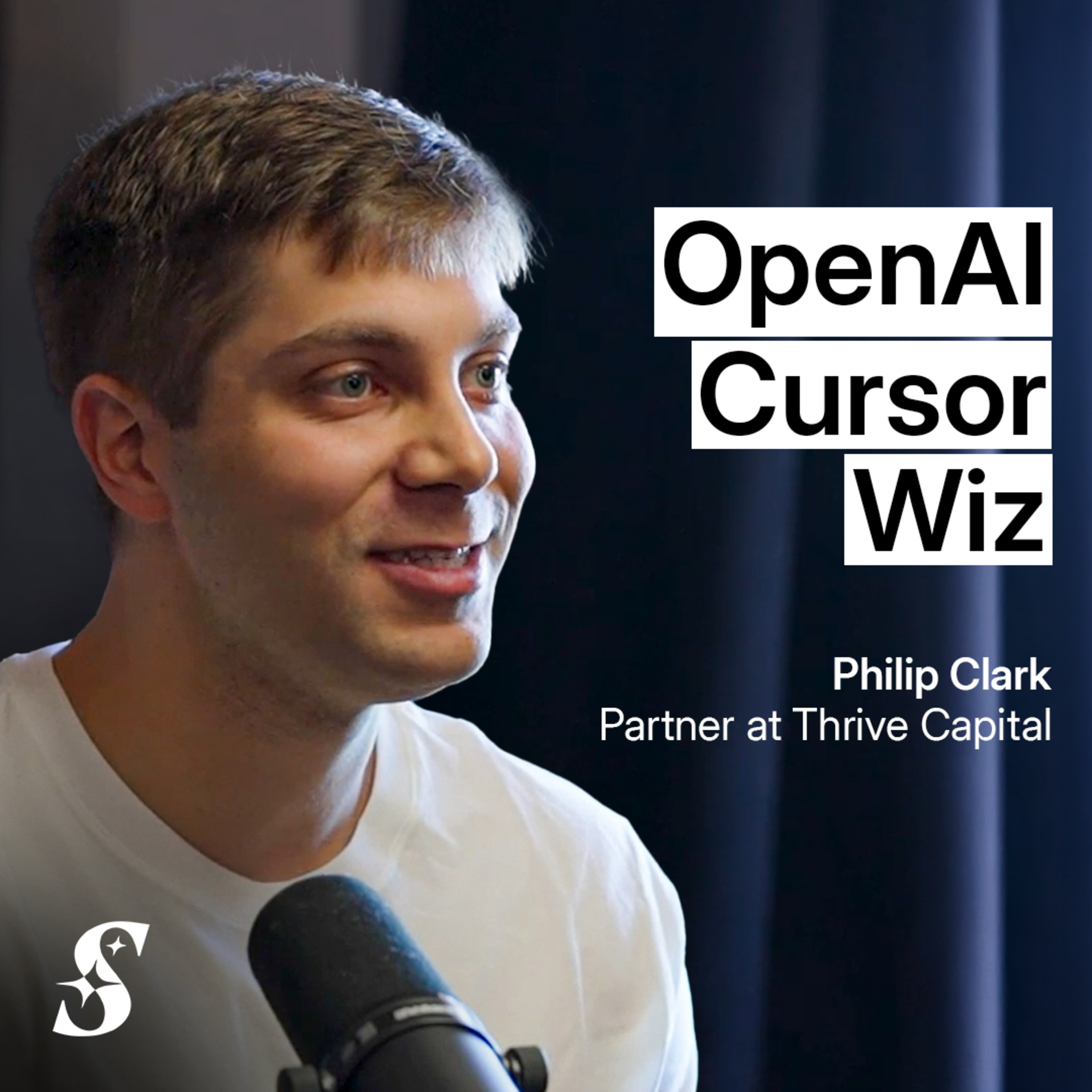
After building a company to nearly 1,000 people, Ron Conway realized he disliked managing at scale, feeling like an "HR director." On the advice of Sequoia's Don Valentine, he transitioned to angel investing. This allowed him to leverage his operational experience to advise founders without the burden of day-to-day people management.
The ideal founder-investor dynamic is built on a shared, unique vision—like being "in on a secret together." When an investor deeply believes in a startup's specific approach, it fosters the trust needed for radical honesty about challenges, which in turn unlocks their network and resources for help.

The most fulfilling and effective angel investments involve more than capital. Founders benefit most from investors who act as operators, offering hands-on help and staying involved in the business. This approach is more rewarding and can lead to better outcomes than passive check-writing.

Rather than trying to predict which founders will succeed, veteran investor Ariel Poler optimizes for personal growth and impact. His criteria: work with good people on interesting projects where he can learn and contribute. He accepts that many will fail, viewing the experience and relationships as valuable outcomes.

A VC has truly succeeded when a founder, in retrospect, feels they were like a co-founder. This signifies a deep, proximate, and unconditional partnership that went beyond transactions or advice, providing existential support through the company's entire journey.