Get your free personalized podcast brief
We scan new podcasts and send you the top 5 insights daily.
To illustrate the "unjustified euphoria" around AI's immediate impact, economist Ben Harris shares an anecdote of a tech CEO who, in mid-2023, predicted the US unemployment rate would hit 18% within six months. This wildly inaccurate forecast highlights the disconnect between some tech leaders' predictions and the more gradual pace of technological adoption.

Related Insights
Verizon CEO Dan Schulman's prediction of 20-30% unemployment is dramatically higher than even dire forecasts from AI labs. For example, Anthropic's warning about entry-level white-collar job loss would only raise the overall US unemployment rate to 6-9%, not depression-era levels.

Mustafa Suleiman predicts AI will automate most white-collar jobs in 18 months. However, this focuses on technological capability, ignoring the reality that large companies take years to approve and diffuse new technologies, making widespread adoption on that timeline highly unlikely.

The most dire predictions of mass unemployment from AI come directly from its creators, like OpenAI's Sam Altman and xAI's Elon Musk. This contradicts the narrative that fear is driven by outsiders, suggesting those closest to the tech see its disruptive power most clearly.

High-profile predictions of AI-driven mass unemployment often don't stand up to basic data analysis. For example, a claim that 90% of the Philippines' economy relies on customer service was found to be only 6-7%. Similarly, even dire forecasts for "entry-level white-collar" job loss translate to manageable overall unemployment increases, not Great Depression-level crises.

Tech leaders catastrophize about AI causing a job apocalypse to make their technology seem seminal and revolutionary. This narrative is a thinly veiled attempt to justify massive valuations and encourage enterprises to invest heavily in their platforms before tangible ROI is proven.

Despite persistent predictions of mass unemployment from "black-pilled AI leaders," strong economic indicators like the May jobs report show continued labor market resilience. This suggests the feared AI job apocalypse is, at a minimum, delayed and not the immediate threat it's portrayed to be.

Tech leaders' apocalyptic predictions about AI's impact on jobs might not be solely for hype. This perspective suggests their views are shaped by a lack of historical knowledge about technological adoption and a flawed assumption that average people will engage with technology as deeply as they do, leading to overestimations of disruption speed and scale.
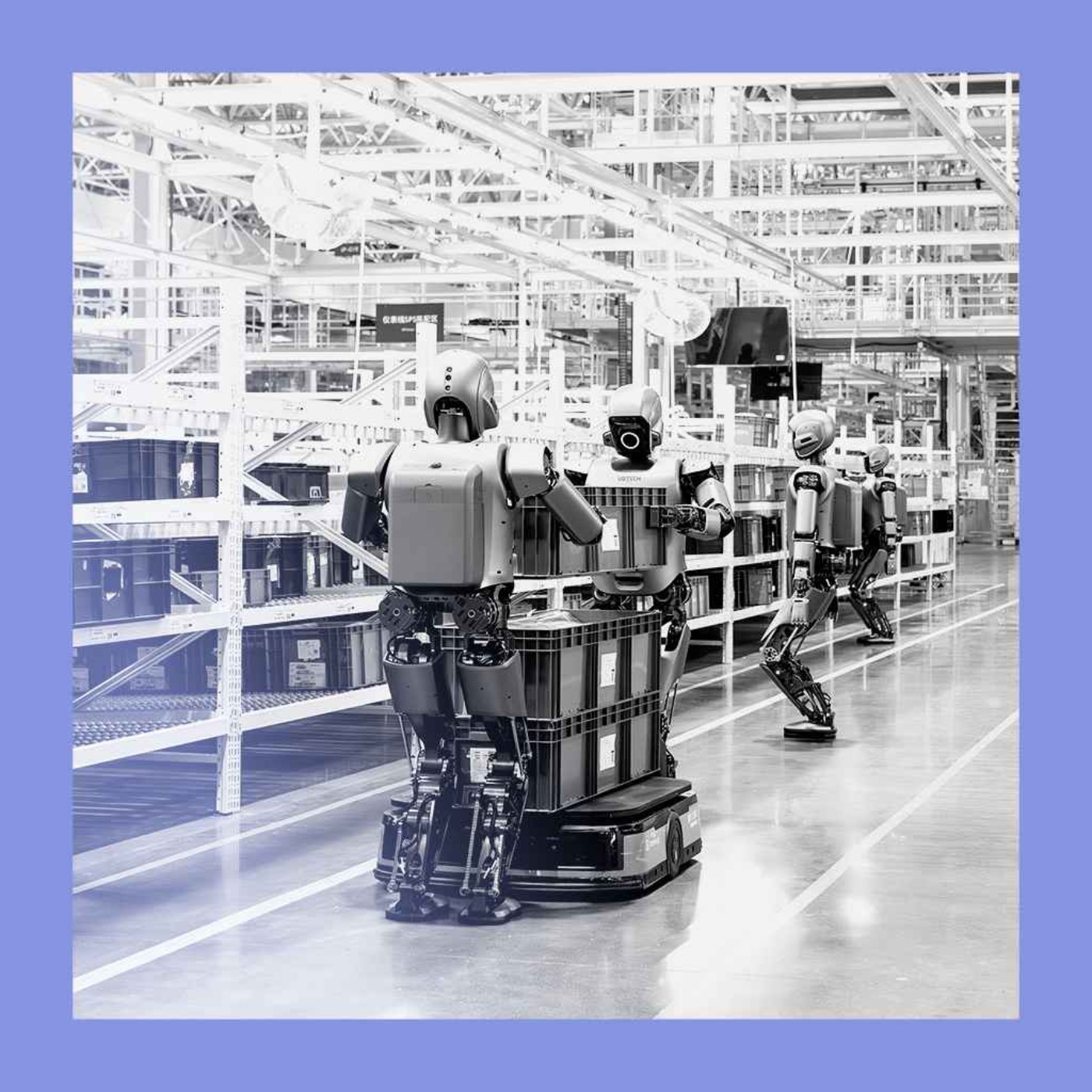
The constant catastrophizing from AI leaders about job displacement isn't just a grim forecast; it's a strategic narrative. It justifies massive enterprise spending on AI for "efficiencies," which is corporate speak for layoffs, creating urgency for companies to buy AI tools to avoid being left behind.

The builders of AI may have a skewed perspective on its real-world impact. They often extrapolate from their tech-centric experiences and fail to grasp how technology diffuses in the broader economy. Their predictions about societal consequences, such as mass job displacement, should therefore be viewed with healthy skepticism.

Contrary to widespread predictions of mass unemployment, top AI experts, including Sam Altman, admit their surprise that AI has been net job-creating to date. This expert surprise suggests that current models for predicting AI's economic disruption are inadequate and that the transition may be more about job transformation than outright job loss.