Get your free personalized podcast brief
We scan new podcasts and send you the top 5 insights daily.
Despite persistent predictions of mass unemployment from "black-pilled AI leaders," strong economic indicators like the May jobs report show continued labor market resilience. This suggests the feared AI job apocalypse is, at a minimum, delayed and not the immediate threat it's portrayed to be.

Related Insights
Contrary to the narrative that AI is eliminating office jobs, the US has added 3 million white-collar positions since late 2022. Tech-adjacent roles like software developers and paralegals have also seen significant growth in numbers and real wages, indicating augmentation over replacement.

Despite fears of displacement, Apollo's chief economist finds no evidence of AI-driven job losses in current employment data. The AI boom is creating jobs for implementation experts and in data center construction, putting upward pressure on both employment and inflation, a real-time example of Jevons paradox.
Despite predictions of mass unemployment from tech leaders, the actual economic data shows the opposite. U.S. unemployment is below historical averages, and new business creation has doubled in the last decade. The predicted 'exogenous meteor coming for the employment market' is not reflected in reality.

The narrative of an AI-driven job apocalypse is not a data-driven forecast but a fear-based marketing strategy. Tech leaders and companies, or 'hyperscalers,' create this anxiety to divert capital flows towards them and justify massive capital expenditures, effectively monetizing public fear.

Contrary to common belief, new research suggests the Industrial Revolution's new technologies spread too slowly to cause immediate, widespread job loss. Wages held steady despite rapid population growth, a historically positive outcome. This provides a data-backed counter-narrative to fears of rapid, AI-driven unemployment, suggesting a more gradual transition is likely.
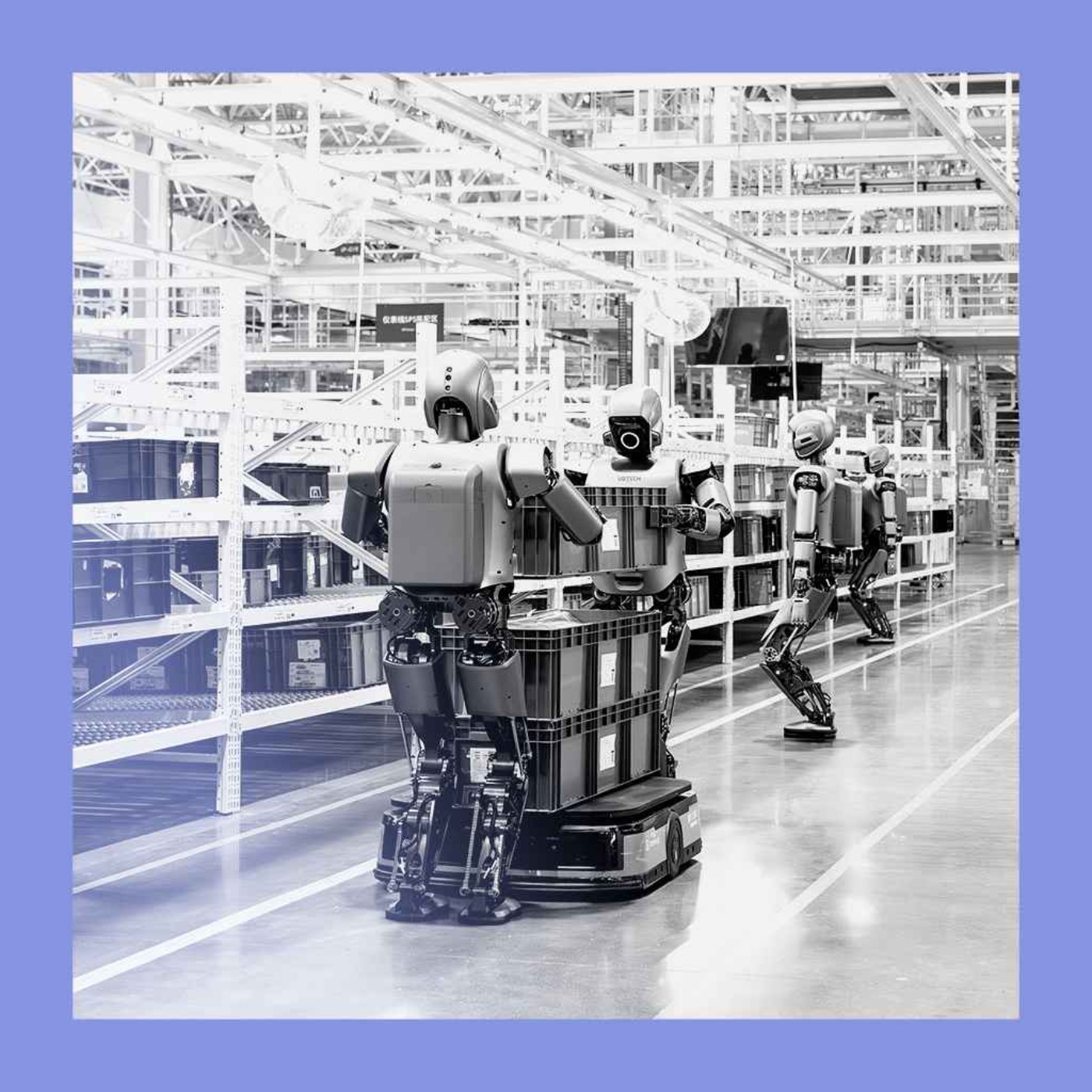
High-profile predictions of AI-driven mass unemployment often don't stand up to basic data analysis. For example, a claim that 90% of the Philippines' economy relies on customer service was found to be only 6-7%. Similarly, even dire forecasts for "entry-level white-collar" job loss translate to manageable overall unemployment increases, not Great Depression-level crises.

A viral chart linking ChatGPT's launch to falling job openings is misleading. Job openings began declining months earlier, largely due to Fed interest rate hikes. This highlights how complex macroeconomic trends are often oversimplified in popular narratives that rush to assign blame to new technology.

Contrary to the media narrative, LinkedIn's data reveals that AI is currently a net job creator. The recent wave of layoffs and hiring freezes is primarily driven by macroeconomic pressures like interest rates, not automation.

A major disconnect exists between macroeconomic data, which shows 'zero evidence' of AI-related job losses, and anecdotal reports from business leaders. Leaders see clear paths to massive disruption and are making decisions to reduce labor reliance, suggesting official data is a lagging indicator of AI's true impact.

While companies cite AI when announcing layoffs, the data shows cuts are concentrated in industries that over-hired post-pandemic. Job losses in sectors like tech and professional services represent a "reversion to the mean" trendline, countering the narrative that AI is already replacing workers at scale.