Get your free personalized podcast brief
We scan new podcasts and send you the top 5 insights daily.
To overcome early capital constraints, Beryl Stafford formed an LLC with Justin's Nut Butters. They shared a commercial kitchen, employees, and even a bookkeeper, allowing both nascent CPG brands to scale operations affordably.

Related Insights
Instead of starting in a kitchen, CPG entrepreneur Emma Hernan bought a manufacturing facility first. This generated revenue by co-packing for other brands, secured her own supply chain, and created multiple income streams from a single asset before her product even launched.

Facing complex enterprise contracts beyond his expertise, Browserless's founder didn't hire a team. Instead, he partnered with Polychrome, a firm that invests in and handles operations like hiring, finance, and legal for bootstrapped companies, allowing him to focus on product.

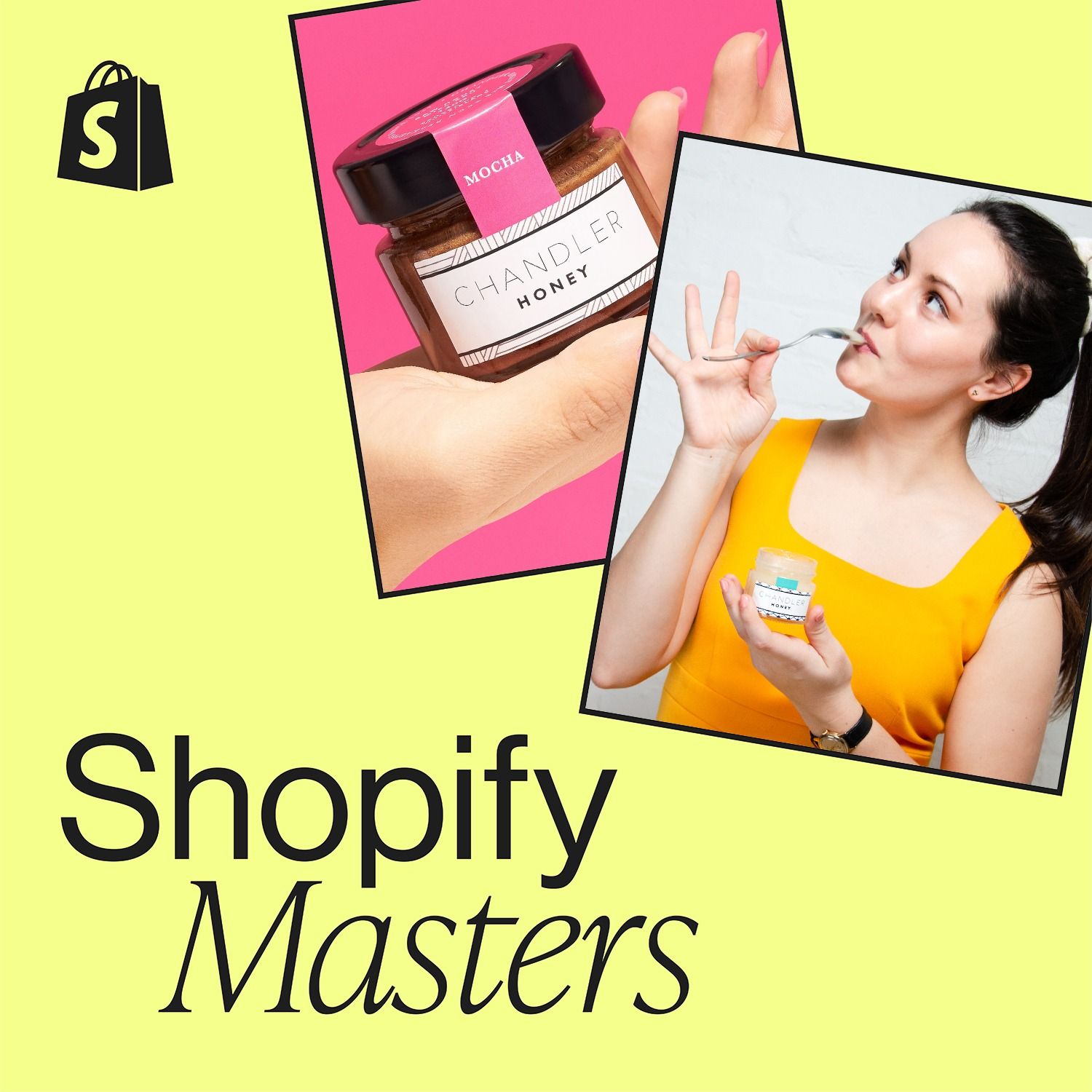
The founder leveraged her certified production space to create honey for other brands. This “white labeling” service, born from custom corporate orders, provides a consistent, secondary revenue stream to cover fixed costs like rent, de-risking her primary business.
Chomps' first major retail partner, Trader Joe's, operates uniquely by handling all in-store marketing and merchandising. This simplicity allowed the two-person founding team to scale into retail without needing a massive operations team, de-risking a critical growth phase.

Lacking industry knowledge, founder Beryl Stafford initially purchased all her ingredients at full retail from Whole Foods. While inefficient, this naive action allowed her to start immediately and gain momentum, rather than getting paralyzed by optimizing sourcing.
Beryl Stafford's big break with Whole Foods wasn't a cold pitch. The bakery manager was already a customer, buying the bars from a small, local co-op. This proves the strategy of dominating a small local market first can create pull from larger retailers.
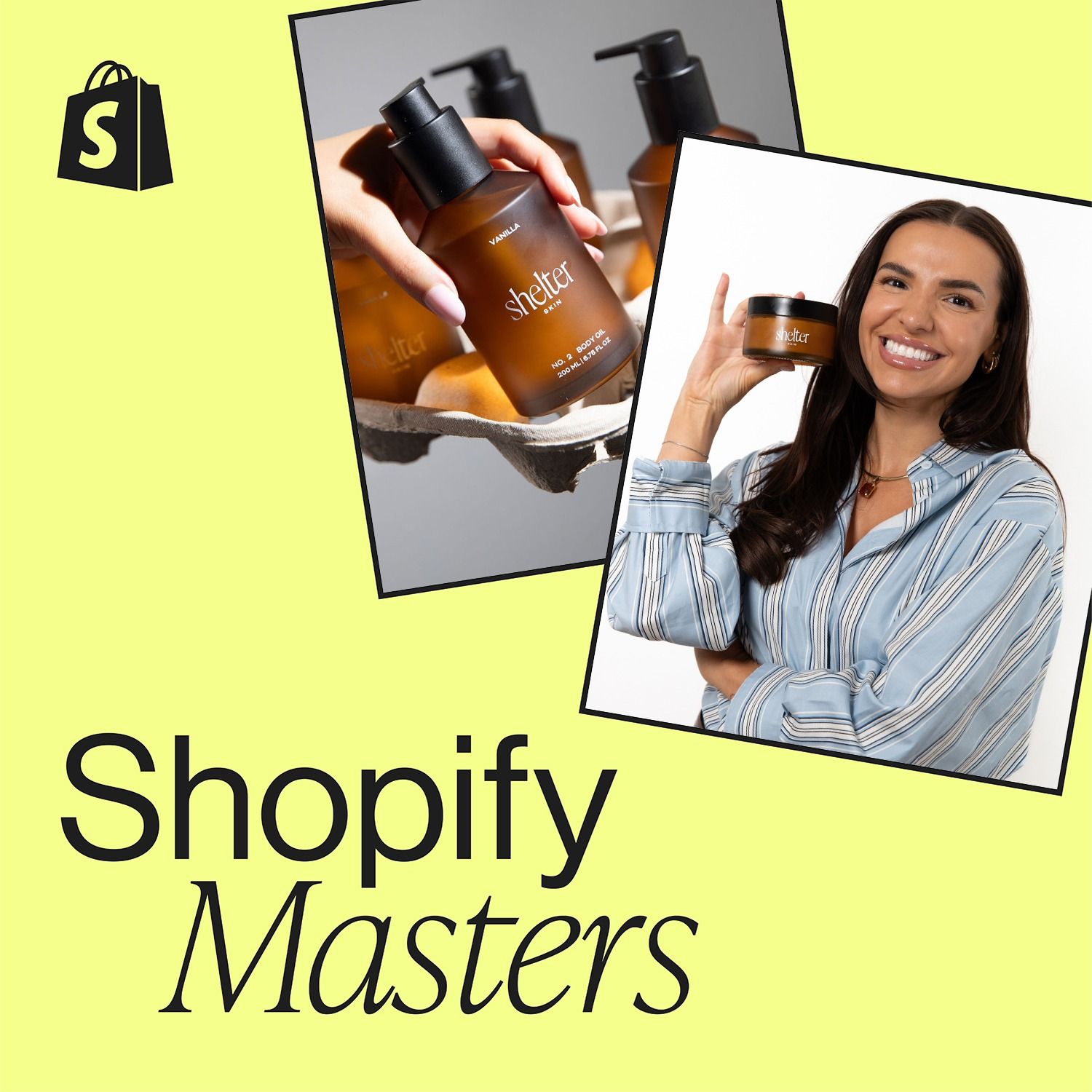
Instead of buying expensive, custom-built lab equipment, Shelter Skin creatively repurposed machinery from the food and beverage industry, like bakery mixers and milk pasteurizers. This resourceful approach enabled them to scale production on a bootstrapped budget, proving ingenuity can replace capital.
Faced with a sudden price hike from their first manufacturer, the founders started a manual labor side hustle—fixing washing machines and installing cupboards—to raise the cash needed for their initial product run, demonstrating extreme pre-launch resourcefulness.
The founder of Buzz Balls, a former teacher, scaled her ready-to-drink cocktail company to a nine-figure acquisition without ever raising venture capital. She bootstrapped the business using a small inheritance, maxed-out credit cards, and a community bank loan, proving massive CPG success is still possible outside the VC ecosystem.

The founder of BuzzBalls built a massive CPG brand by rejecting the typical asset-light model. By vertically integrating and producing her own patented plastic containers and spirits, she maintained quality control and supply chain reliability. This demonstrates a powerful, though less common, path to success for bootstrapped CPG founders.