Get your free personalized podcast brief
We scan new podcasts and send you the top 5 insights daily.
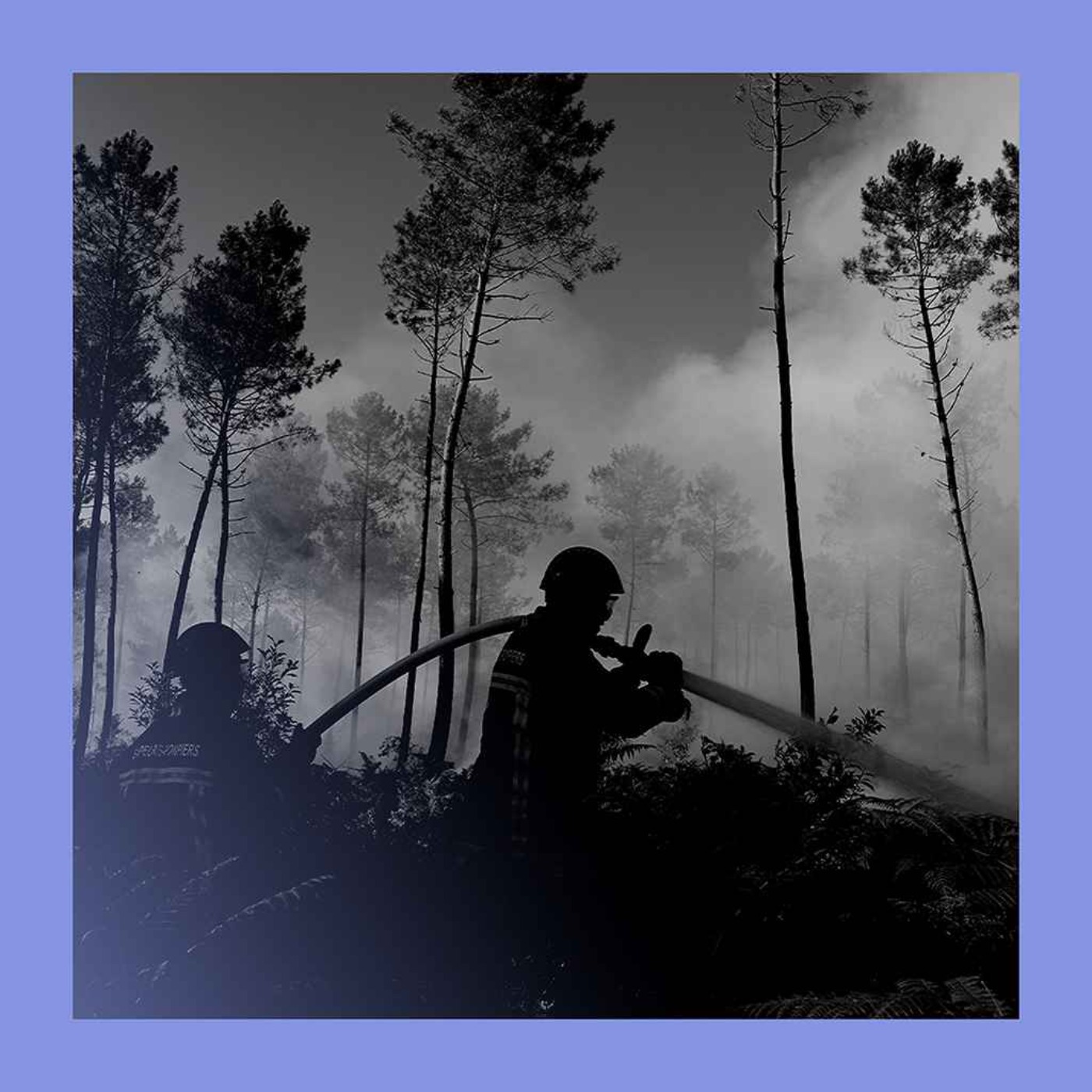
Spencer Pratt claims the devastating fire was a direct result of government incompetence, citing the LADWP's failure to maintain reservoirs (leaving no water) and state parks' refusal to clear 60 years of dead brush, turning a preventable incident into a catastrophe.

Related Insights
While wildfires are the catalyst, the core reason insurers have fled California is the state's refusal to let them price risk accurately. By dictating rates, the government made the market unprofitable, leading to a predictable collapse and forcing homeowners into a state-run plan. The problem is price control.

The largest "extraordinary" wildfires release enough smoke and particulates to influence global systems. Australia's Black Summer fires may have prolonged the La Niña climate pattern and their smoke fertilized the Pacific Ocean, causing massive phytoplankton blooms. These events demonstrate how regional disasters can have planet-wide consequences.
The state's most visible problems—homelessness, high costs, and corporate exodus—are framed not as complex policy failures but as the direct result of a singular, decades-long failure to build enough housing, office space, factories, energy, and transportation infrastructure.

A 1988 ballot measure artificially lowered home insurance rates, which incentivized migration into fire-prone areas. This policy, combined with climate change, created a "toxic situation" of underinsured residents and an unstable insurance market when disaster inevitably struck.

Caruso claims the catastrophic Palisades fire was "completely preventable." A smaller fire occurred in the same location just a week earlier, and authorities failed to pre-deploy resources despite severe wind warnings. His core leadership principle is that predictable risks, if ignored, become preventable disasters.
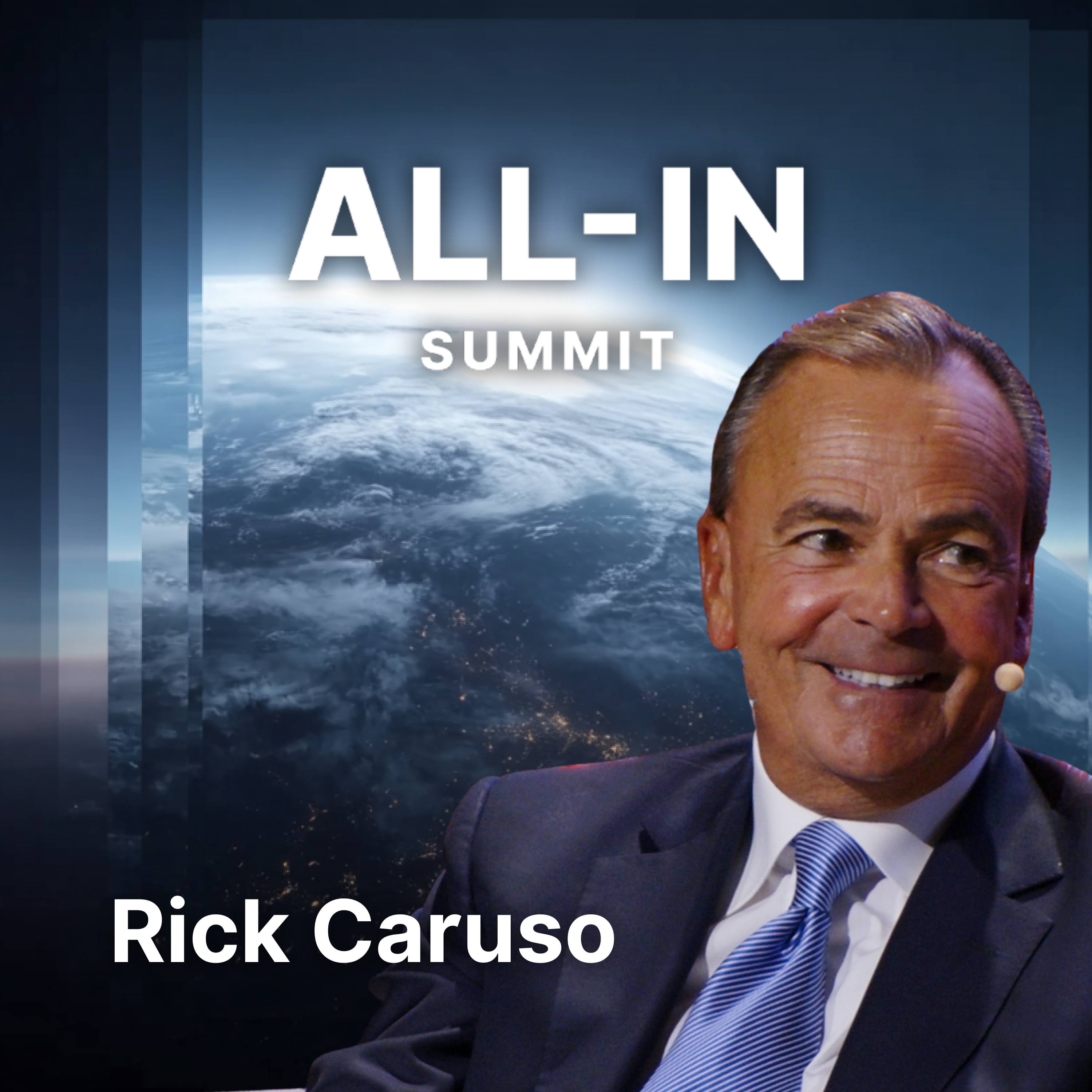
Following devastating fires, LA city plan checkers continued working from home instead of being deployed to an on-site trailer to help residents rebuild. This illustrates how bureaucratic inertia and a failure to recognize urgency can paralyze a city's response, creating a "stagnation" where no decisions are made.
Swiss Re's CEO argues that risks like California wildfires are not inherently uninsurable. Instead, without loss prevention, the cost of insurance becomes unaffordable. The solution lies in shifting focus from mere risk transfer to proactive risk ownership and mitigation by property owners.

Despite a $150 billion state budget increase over six years, California has seen no corresponding improvement in critical areas like housing, education, or safety. This points to a systemic lack of accountability and misaligned incentives, not a lack of money.
Real estate developer Rick Caruso hired private firefighters and water trucks to protect his commercial properties during wildfires. This strategy not only saved his assets but also freed up municipal firefighters to focus exclusively on protecting residential homes, demonstrating how private preparedness can serve the public good.
In the aftermath of the LA wildfires, affluent residents can afford to build bigger dream homes, while underinsured, middle-class residents are often forced to sell their lots to developers. This dynamic highlights how disaster recovery can widen the wealth gap and permanently alter a community's character.