Get your free personalized podcast brief
We scan new podcasts and send you the top 5 insights daily.
The largest "extraordinary" wildfires release enough smoke and particulates to influence global systems. Australia's Black Summer fires may have prolonged the La Niña climate pattern and their smoke fertilized the Pacific Ocean, causing massive phytoplankton blooms. These events demonstrate how regional disasters can have planet-wide consequences.
Related Insights
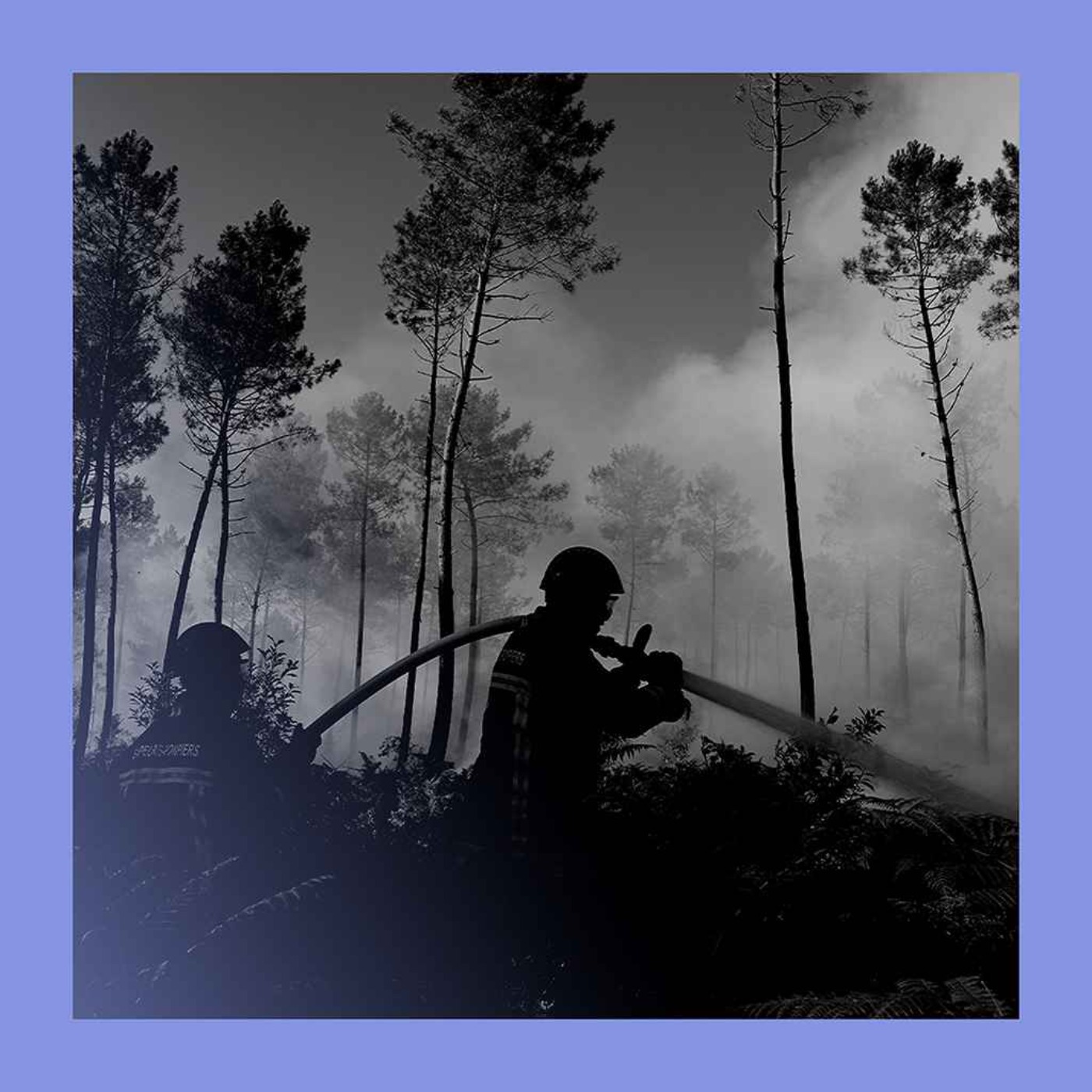
The primary health risk from wildfires is smoke inhalation, estimated to cause 250,000 deaths annually. This indirect effect is a greater public health crisis than property damage or direct fire casualties, exacerbated by an aging global population more vulnerable to respiratory issues.
The upcoming strong El Niño is not an isolated climate event but a potent amplifier of existing global problems. It is expected to exacerbate food insecurity in the Global South, a region already suffering from fertilizer shortages and supply chain issues caused by geopolitical conflicts like the war in Iran.

The world faces two simultaneous, unrelated threats to food security. Geopolitical conflict is disrupting fertilizer supplies needed for crop yields, while the El Niño climate pattern is predicted to bring droughts and extreme weather to vulnerable agricultural regions. The combination creates a compounding crisis that could be catastrophic.

Unprecedented ocean temperatures are fueling a Super El Niño. The resulting atmospheric energy release will cause extreme weather, leading to predictable crop failures in key agricultural regions like Brazil, Australia, and India. This may create severe food shortages and economic instability over the next 12 months.

The Amazon sustains itself by creating an invisible "mist river" of 20 trillion liters of water vapor each day, which then falls back as rain. Scientists warn that continued deforestation risks breaking this cycle. Past a certain tipping point, the rain will stop, and the entire ecosystem could dry out and burn.

A new "golden age of aviation" involving electric aircraft and drones could significantly improve wildfire fighting by operating in dangerous, smoky conditions. However, their high cost means they will likely only be deployed in wealthy parts of the world, exacerbating global inequality in climate change resilience.
In a nuclear winter scenario, soot would block the sun, causing global agricultural failure. Climate models from Professor Brian Toon indicate that only Australia and New Zealand would likely remain capable of sustaining agriculture, making them the only viable locations for long-term survival.

The death of a massive iceberg is not purely a story of loss. Its dissolution releases vast quantities of minerals, acting like a 'bomb of nutrients' that fertilizes the ocean and supports marine ecosystems. This complicates the simple narrative of environmental disaster with a counterintuitive, life-giving effect.

Contrary to the popular focus on war, climate-related events like droughts and floods were the leading cause of displacement in 2023, affecting over 26 million people. This shift highlights a growing driver of global migration that current legal systems are not equipped to handle.

The onset of a La Niña weather pattern is occurring unusually late in the year, coinciding directly with the planting season in Brazil and Argentina. This timing is critical because the associated dry conditions threaten yields in a region that China increasingly depends on for soybeans due to the US trade war.
