Get your free personalized podcast brief
We scan new podcasts and send you the top 5 insights daily.
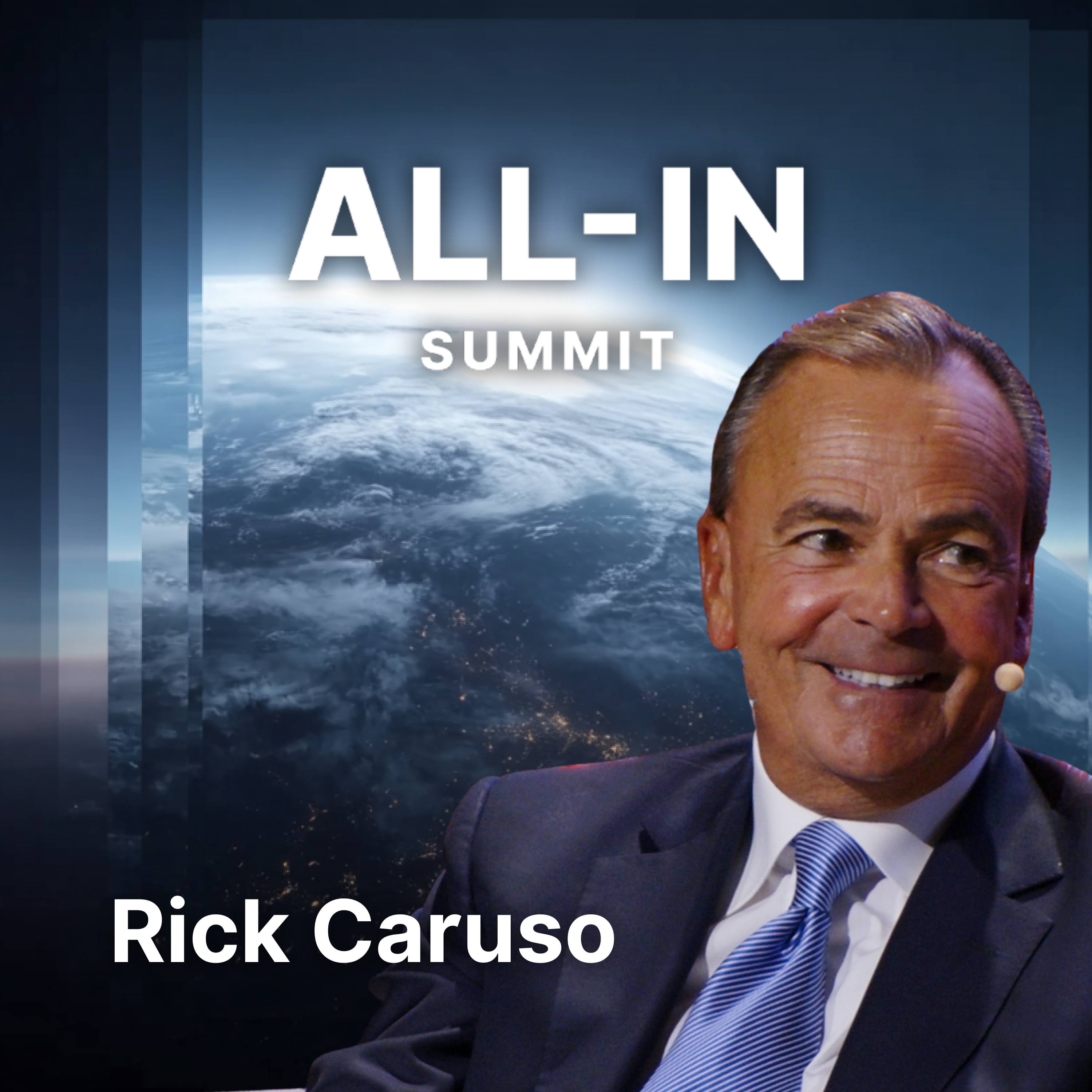
Real estate developer Rick Caruso hired private firefighters and water trucks to protect his commercial properties during wildfires. This strategy not only saved his assets but also freed up municipal firefighters to focus exclusively on protecting residential homes, demonstrating how private preparedness can serve the public good.
Related Insights
Unlike national defense, which benefits from centralized R&D from organizations like DARPA, the U.S. fire service is highly fragmented across 20,000 independent departments. This structure has historically stifled the adoption of advanced technology, creating an opportunity for private companies to fill the innovation gap.

To combat aid diversion in crisis zones, Jada McKenna proposes a counterintuitive solution: overwhelm the area with supply. By 'flooding the zone with food,' the aid becomes less scarce and therefore less valuable. This tactic disincentivizes theft and reduces dangerous swarming of delivery trucks by desperate crowds.
The strategic advantage isn't fighting huge blazes, but extinguishing fires within the first 10-20 minutes when they are small and manageable. This prevents the exponential growth that leads to megafires, a concept often missed due to media's focus on large-scale disasters.
When COVID-19 invalidated its revenue plan, Nextdoor's GM used a pre-existing worst-case scenario to pivot the product strategy. The focus shifted from subscriptions to features that provided immediate cash flow to local businesses (e.g., gift cards), enabling a quick, board-aligned response to the crisis.

An entrepreneurial view of public goods dictates that any service should generate more value than its costs. If a division, like public transit, consistently loses money, it's a market signal that society doesn't value it at its current price. Subsidizing it is an emotional, not a logical, decision.
A critical vulnerability in firefighting is that most aerial operations cease at night due to pilot safety risks, allowing fires to grow unchecked. Autonomous aircraft, using sensors like LiDAR, can operate 24/7, closing this dangerous operational gap and preventing significant overnight fire spread.
Governments in climate-vulnerable regions are increasingly using financial instruments like catastrophic bonds ('cat bonds') to manage risk. These bonds provide immediate capital for rebuilding after a disaster, offering a faster and more reliable source of funding than traditional aid channels and becoming a key part of resilience strategy.

Show appreciation to the entire community by donating free services to local nonprofits like animal shelters or women's shelters. This act of corporate social responsibility helps them, generates positive word-of-mouth, and creates sharable content.

Caruso claims the catastrophic Palisades fire was "completely preventable." A smaller fire occurred in the same location just a week earlier, and authorities failed to pre-deploy resources despite severe wind warnings. His core leadership principle is that predictable risks, if ignored, become preventable disasters.
Maximizing profits in a crisis, such as a hardware store hiking shovel prices during a blizzard, ignores the powerful economic force of fairness. While rational by traditional models, such actions cause public outrage that can inflict far more long-term brand damage than the short-term profits are worth.
