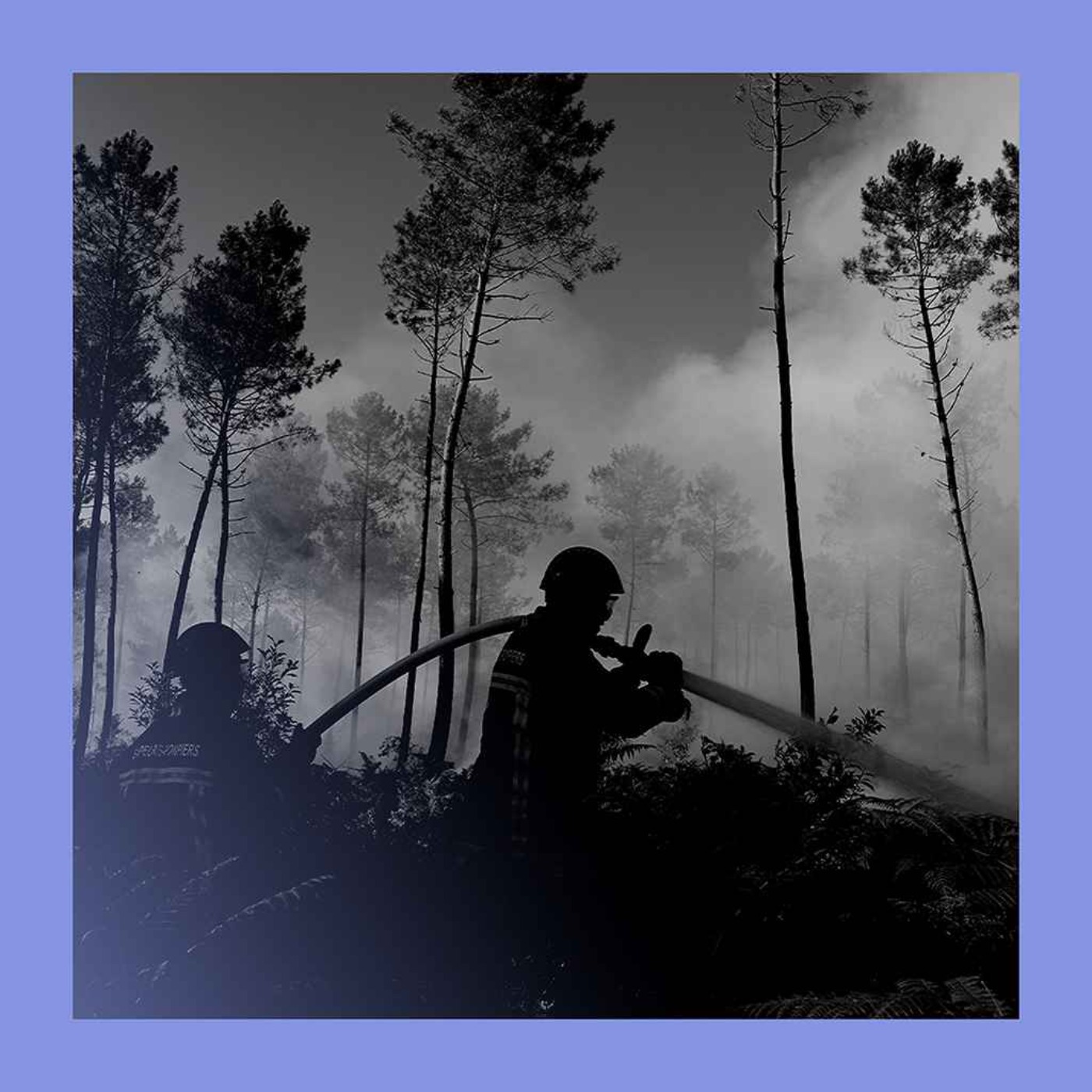
The primary health risk from wildfires is smoke inhalation, estimated to cause 250,000 deaths annually. This indirect effect is a greater public health crisis than property damage or direct fire casualties, exacerbated by an aging global population more vulnerable to respiratory issues.
After nearly 20 years of progress, the share of new female executives and board members at American companies has fallen. This "leaning out" is also reflected in women's self-reported ambition for promotions, which has stagnated while men's continues to rise, signaling a reversal of long-term trends.
A new "golden age of aviation" involving electric aircraft and drones could significantly improve wildfire fighting by operating in dangerous, smoky conditions. However, their high cost means they will likely only be deployed in wealthy parts of the world, exacerbating global inequality in climate change resilience.
The largest "extraordinary" wildfires release enough smoke and particulates to influence global systems. Australia's Black Summer fires may have prolonged the La Niña climate pattern and their smoke fertilized the Pacific Ocean, causing massive phytoplankton blooms. These events demonstrate how regional disasters can have planet-wide consequences.
Initially created to mediate between nightlife businesses and residents, the role of a "nightlife czar" is expanding. Facing a sharp decline in socializing among young people, these officials are now tasked with a broader mission: combating a "loneliness epidemic" by coaxing people "off of their couches" and rebuilding community.
The online popularity of the "trad wife" aesthetic is not an ideological shift but a reflection of women's deep frustration with the lack of work-life balance. Researchers interpret this trend as a "plea for balance" and a warning sign about the untenable demands of modern corporate life.