Get your free personalized podcast brief
We scan new podcasts and send you the top 5 insights daily.
In the aftermath of the LA wildfires, affluent residents can afford to build bigger dream homes, while underinsured, middle-class residents are often forced to sell their lots to developers. This dynamic highlights how disaster recovery can widen the wealth gap and permanently alter a community's character.
Related Insights
Extreme wealth creates a dangerous societal rift not just through inequality, but by allowing the ultra-rich to opt out of public systems. They have their own concierge healthcare, private transportation, and elite schools, making them immune to and ignorant of the struggles faced by the other 99.9%, which fuels populist anger.

Policies intended to curb luxury development, such as a construction freeze, have a counterintuitive effect. They transform the existing luxury housing stock into a limited, finite resource. This artificial scarcity dramatically drives up prices for those assets, making them 'gold' and potentially worsening inequality.

High-density urban living constantly confronts residents with visible wealth disparity, as they see neighbors who are more successful. This constant social comparison can trigger resentment and a sense of inequality, which in turn fuels the appeal of left-leaning policies aimed at redistribution.

Extreme wealth inequality creates a fundamental risk beyond social unrest. When the most powerful citizens extricate themselves from public systems—schools, security, healthcare, transport—they lose empathy and any incentive to invest in the nation's core infrastructure. This decay of shared experience and investment leads to societal fragility.

The prospect of future climate events is having immediate, tangible economic consequences. Rising insurance rates and reduced coverage availability in at-risk areas like Florida and California are already depressing property values and the broader economic outlook, demonstrating that climate risk is a current, not just future, problem.

As homeownership becomes unattainable without generational wealth, social mobility is stalling. The growing gap between asset owners and renters is calcifying, transforming the American economic structure from a meritocracy into a caste-like system where your financial starting point determines your destiny.

Analysis of delinquency rates revealed that high-income earners were initially seeing the fastest increases. The key differentiator for financial stability was not income but wealth, particularly homeownership, which provided a financial cushion against economic shocks.

A 1988 ballot measure artificially lowered home insurance rates, which incentivized migration into fire-prone areas. This policy, combined with climate change, created a "toxic situation" of underinsured residents and an unstable insurance market when disaster inevitably struck.
Governments in climate-vulnerable regions are increasingly using financial instruments like catastrophic bonds ('cat bonds') to manage risk. These bonds provide immediate capital for rebuilding after a disaster, offering a faster and more reliable source of funding than traditional aid channels and becoming a key part of resilience strategy.
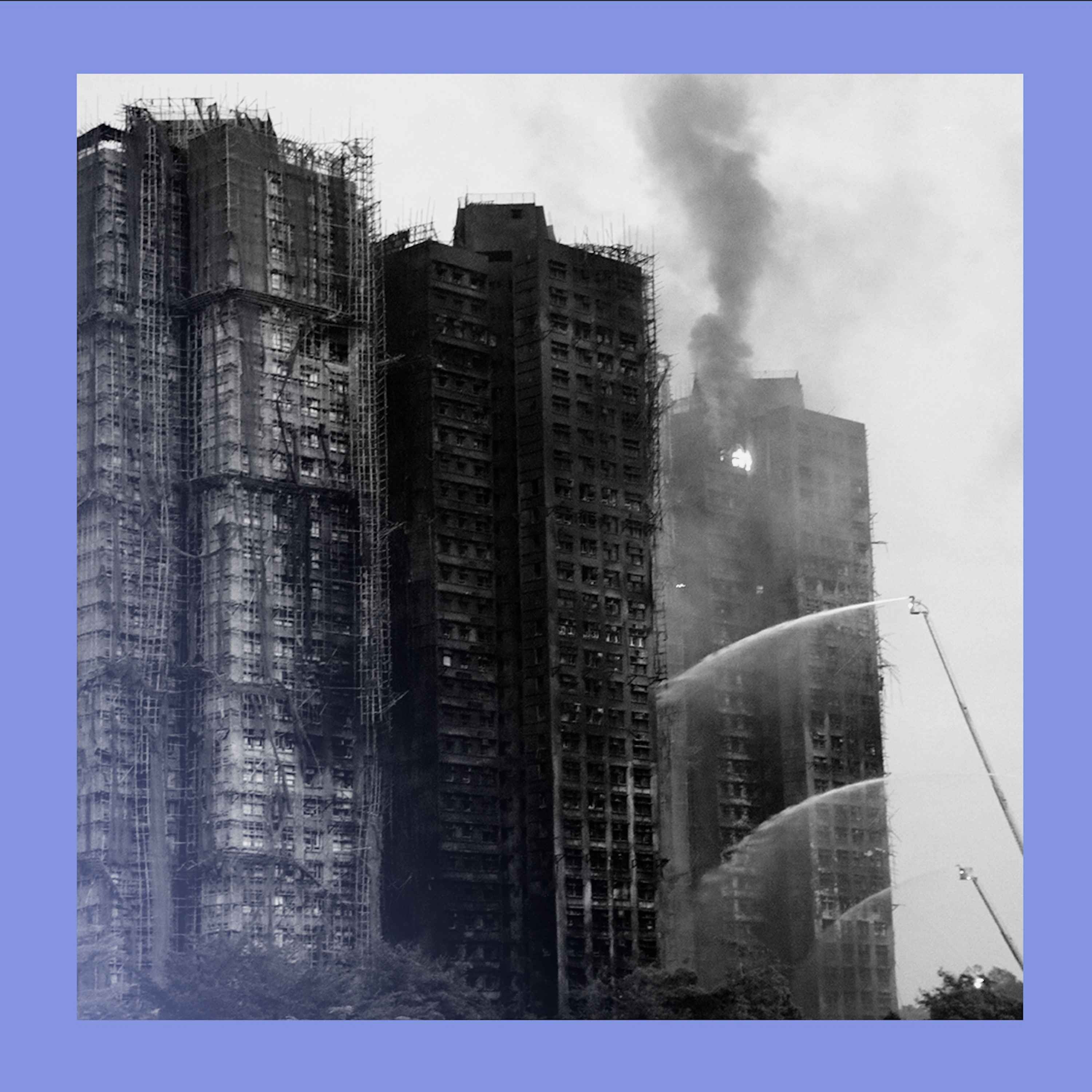
Major housing policy overhauls in Hong Kong are rarely proactive, but rather reactions to large-scale tragedies. The city's entire public housing program, for example, was created in response to a devastating 1953 fire. This historical precedent suggests the recent deadly blaze is likely to force similar systemic safety and building regulation reforms.