Get your free personalized podcast brief
We scan new podcasts and send you the top 5 insights daily.
To deter the drug trade, the U.S. invested heavily through USAID to build agricultural infrastructure in Peru. This policy inadvertently established a dominant South American blueberry industry that now competes directly with and puts economic pressure on American farmers.

Related Insights
In its strategic effort to counter China's dominance in critical minerals, the US is deploying a more muscular foreign policy. Diplomatic support for countries like Tanzania is now explicitly conditional on progress being made on mining projects involving American firms, directly linking foreign policy to advancing specific corporate interests.
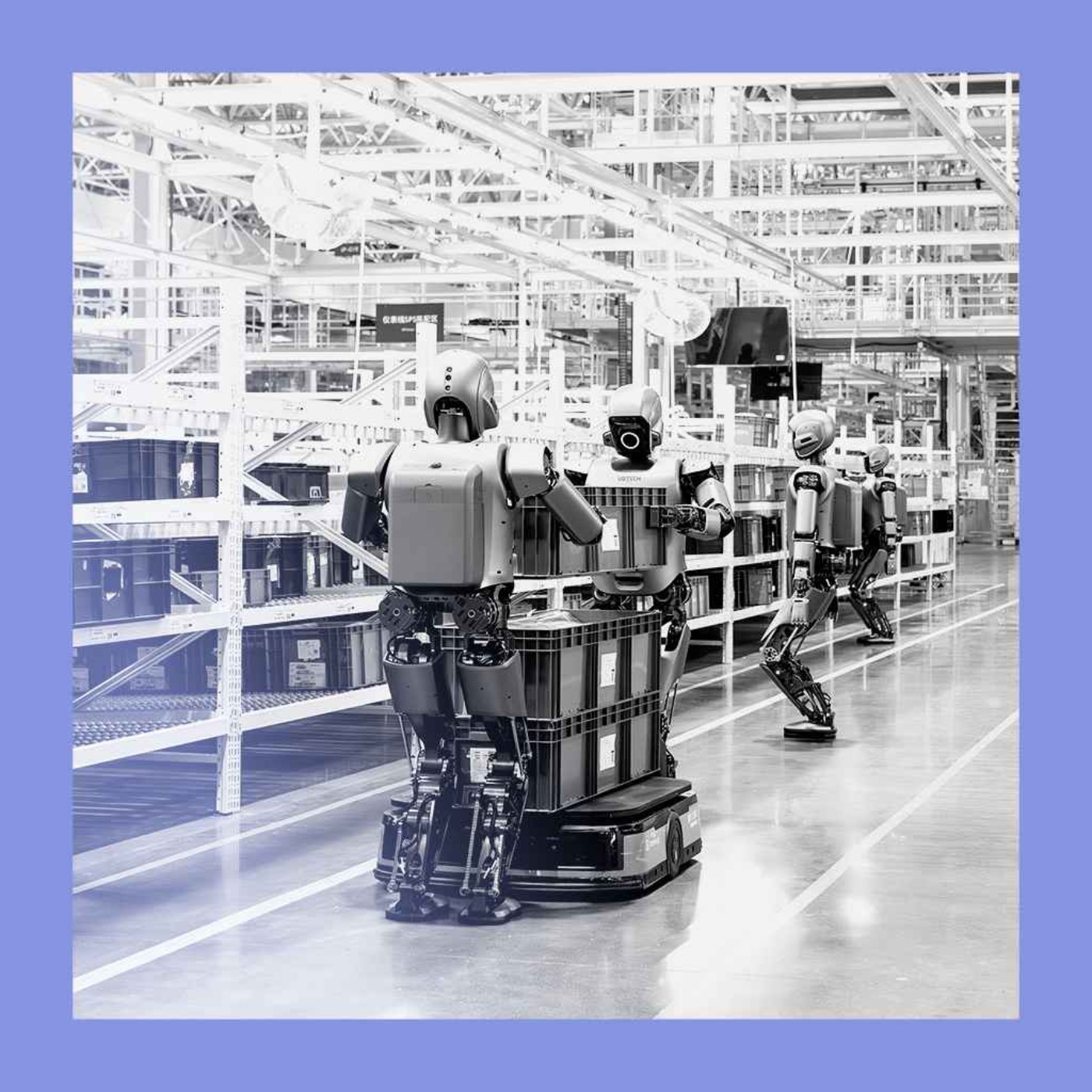
The traditional foreign aid model creates dependency. Zipline's success in Africa shows that developing countries are eager to be commercial partners, investing their own capital to purchase advanced technology like AI and robotics. This "trade, not aid" approach builds their economies and creates stronger alliances.

Following the US-China trade war, Brazil became China's primary soybean supplier. Now, China strategically purchases just enough soybeans from the US to act as a lever. This tactic prevents Brazilian suppliers from raising prices too high, effectively using American farmers to "keep the Brazilian honest" and control its import costs.

Since NAFTA, the US winter tomato supply has inverted. It went from 80% domestic to 70% Mexican-grown. This dramatic shift was driven by Mexico's favorable climate and rapid adoption of higher-yield technologies like shade houses and greenhouses, which Florida growers did not match.
The US grain embargo against the Soviet Union in 1979 sent a powerful signal to global buyers that America was not a politically stable supplier. This event catalyzed a wave of foreign investment, particularly from Japan, into developing agricultural infrastructure in Brazil and Argentina, creating long-term competition for US farmers.
Tariff policies have created a dysfunctional economic cycle where the government effectively 'shoots farmers in the leg' with trade wars, then borrows from the future to pay their 'hospital bills' via bailouts. This permanently cedes markets like China to competitors while taxing US consumers to fund the inefficiency.

In an attempt to gain a currency advantage, Caterpillar lobbied the Reagan administration to open Japan's financial markets. This policy backfired, causing Japanese savings to flood into the U.S. and enabling competitor Komatsu to build factories directly on American soil.
When foreign aid agencies bypass national governments to work directly with NGOs, they may ensure short-term efficiency but inadvertently weaken the country's own public systems (e.g., healthcare). This creates a patchwork of services that lacks long-term sustainability and scalability, a major unseen negative consequence.

The Trans-Pacific Partnership (TPP) successfully incentivized countries like Peru to raise labor standards. The carrot wasn't better access to the U.S. market, which they already had, but new access to Japan's historically closed market, which the U.S. helped negotiate.
The Trump administration's aggressive tariff policies against strategic partners like India are a diplomatic own goal. This economic pressure forces these countries, who are natural rivals to China, to hedge their bets and seek better relations with Beijing, ultimately undermining U.S. strategic interests.
