Get your free personalized podcast brief
We scan new podcasts and send you the top 5 insights daily.
Trump's wavering on Iran isn't fear, but a sign he's "in over his head." He can't predict Iran's reactions, so he's unable to act decisively. This posturing erodes US credibility and could mirror the British Empire's decline after the Suez Canal crisis, marking a loss of global power.

Related Insights
The seemingly "Trumpiest" option of unilaterally declaring victory and withdrawing is highly risky. Iran could simply continue its hostile actions, such as keeping the Strait of Hormuz closed. This would immediately expose the "victory" as a sham, turning a political win into a major international humiliation for the president.
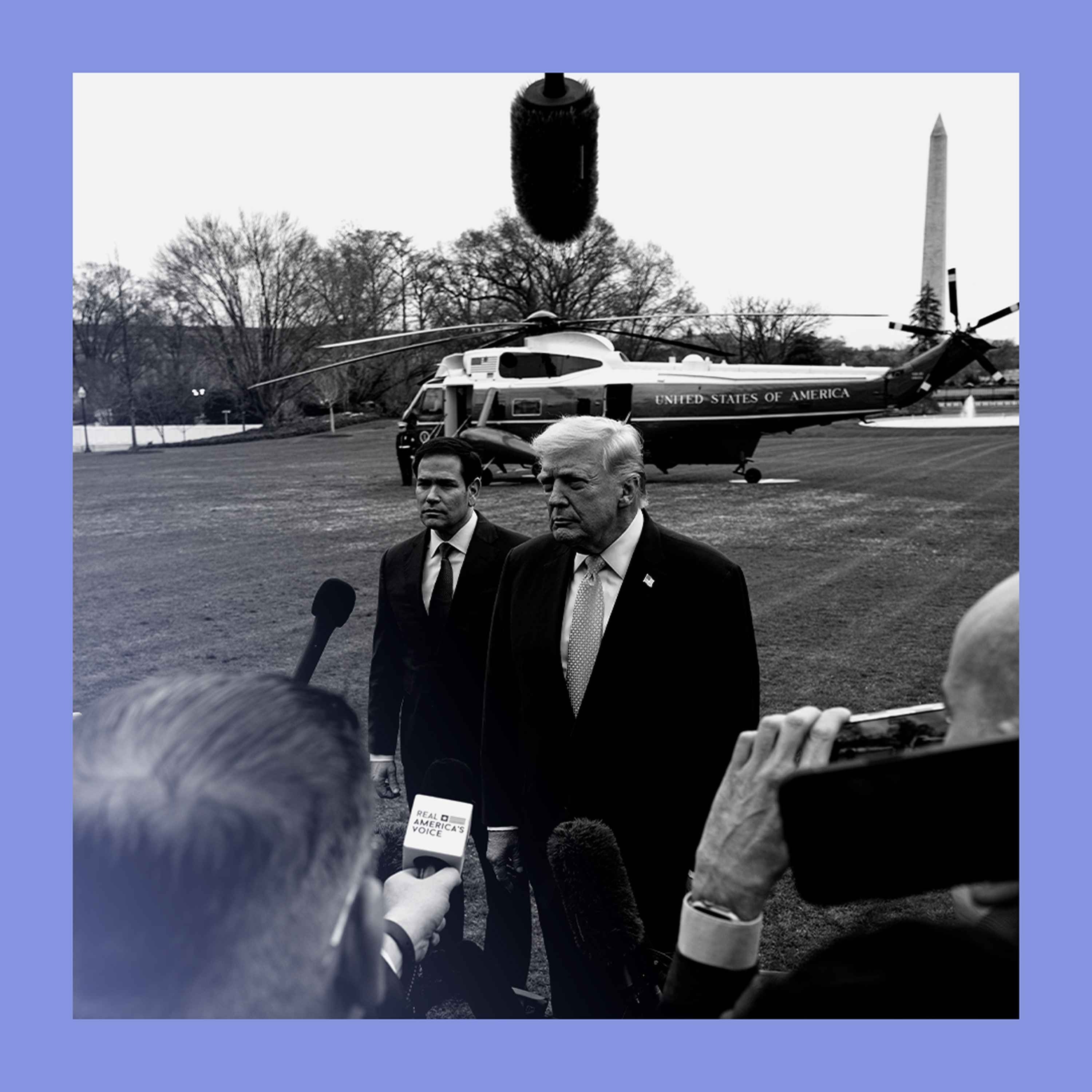
The current Iran crisis could mirror the 1957 Suez Crisis, which marked the transfer of global power from the British Empire to the U.S. If China successfully leverages the situation to its diplomatic and economic advantage, it could signal a similar shift in global power away from the United States.

The US has long used the threat of military force to keep the Strait of Hormuz open. By failing to act despite a large naval presence, it has revealed this deterrent is hollow. This hands Iran a proven economic weapon and erodes the credibility of US power projection globally.

Trump has a history of taking actions that foreign policy experts warned would backfire, only for those warnings not to materialize. This track record likely created an overconfidence in his own instincts, causing him to disregard or underestimate the unique dangers of a military confrontation with Iran.

The administration aggressively talks about regime change, making promises to the Iranian opposition. However, the military actions and follow-up policies are not scaled to achieve this ambitious goal, creating a strategic disconnect that undermines the operation's credibility and clarity of purpose.
President Trump and his administration are sending contradictory signals on the Iran conflict, simultaneously claiming it is 'very complete' while also preparing for further action. This inconsistency confuses markets and allies, pointing to a severe lack of a coherent and unified strategy within the administration.

Previous administrations didn't attack Iran not due to a failure of nerve but because of a sober assessment of the strategic consequences. They understood that while the U.S. military could execute the strikes, Iran could always close the Strait of Hormuz, and there was no viable long-term plan for victory, making restraint the wiser strategic choice.
The Hormuz crisis is likened to the 1956 Suez event for the UK, signaling a potential turning point for US global power. The US may be forced into an impossible choice: print money into an oil spike to save the bond market, or let the economy crash and accept a diminished global role.

The President is in a strategic corner over Iran. He cannot politically withdraw while the Strait of Hormuz is closed, as it would be seen as a major defeat. Yet, every day the conflict continues, Iran claims a symbolic victory merely by surviving, making the situation a losing proposition for the U.S. regardless of the outcome.

President Trump's tendency to "mix it up" and thrive in chaos works well in domestic politics and media cycles. However, in international conflicts involving multiple sovereign actors (like Iran and Israel), this approach backfires as he cannot control all the players, leading to entrapment.
