Get your free personalized podcast brief
We scan new podcasts and send you the top 5 insights daily.
Society is experiencing a 'generational whiplash' in parenting. A reaction against strict methods led to a culture of 'eighth-place trophies,' producing adults ill-equipped for real-world consequences. A counter-movement is now emerging where parents are reintroducing competition and accountability to better prepare their children for life's challenges.

Related Insights
Parenting isn't a one-way street. A child's inherent temperament (e.g., ADHD, agreeableness) actively shapes parental reactions. This creates powerful feedback loops where, for instance, a difficult child elicits stricter parenting, which in turn affects development. The outcome is often misattributed solely to the parenting style.

A powerful framework for raising resilient individuals is to separate self-worth from performance. Build immense self-esteem by praising character traits (e.g., kindness), while simultaneously enforcing radical accountability for failures (e.g., "the pitcher was better than you"). This creates confidence that isn't shattered by losing.
Young employees' perceived lack of resilience isn't a generational flaw but a result of parenting that shielded them from hardship. The decline of teenagers working difficult, blue-collar summer jobs has created adults who are less prepared for the realities of the workplace.
The home should be a sanctuary of warmth and nurturing. Hard-driving discipline and skill-building criticism are often more effectively delivered by external figures like coaches or teachers. This strategy preserves the positive parent-child relationship while still allowing children to develop resilience and grit in structured settings.
Parents obsess over choices affecting long-term success, but research suggests these have minimal effect on outcomes like personality. Instead, parenting profoundly shapes a child's day-to-day happiness and feelings of security, which are valuable in themselves and should be the primary focus.
While well-intentioned, attending every single school recital or sports game can create unrealistic expectations for children. Occasionally missing an event teaches resilience, adaptability, and the reality that life sometimes gets in the way, better preparing them for adulthood.
Increased economic disparity makes parents intensely anxious about their children's future success. This fear drives them to over-schedule and micromanage their kids' lives, focusing on resume-building activities rather than free play, which contributes to a more stressful childhood.
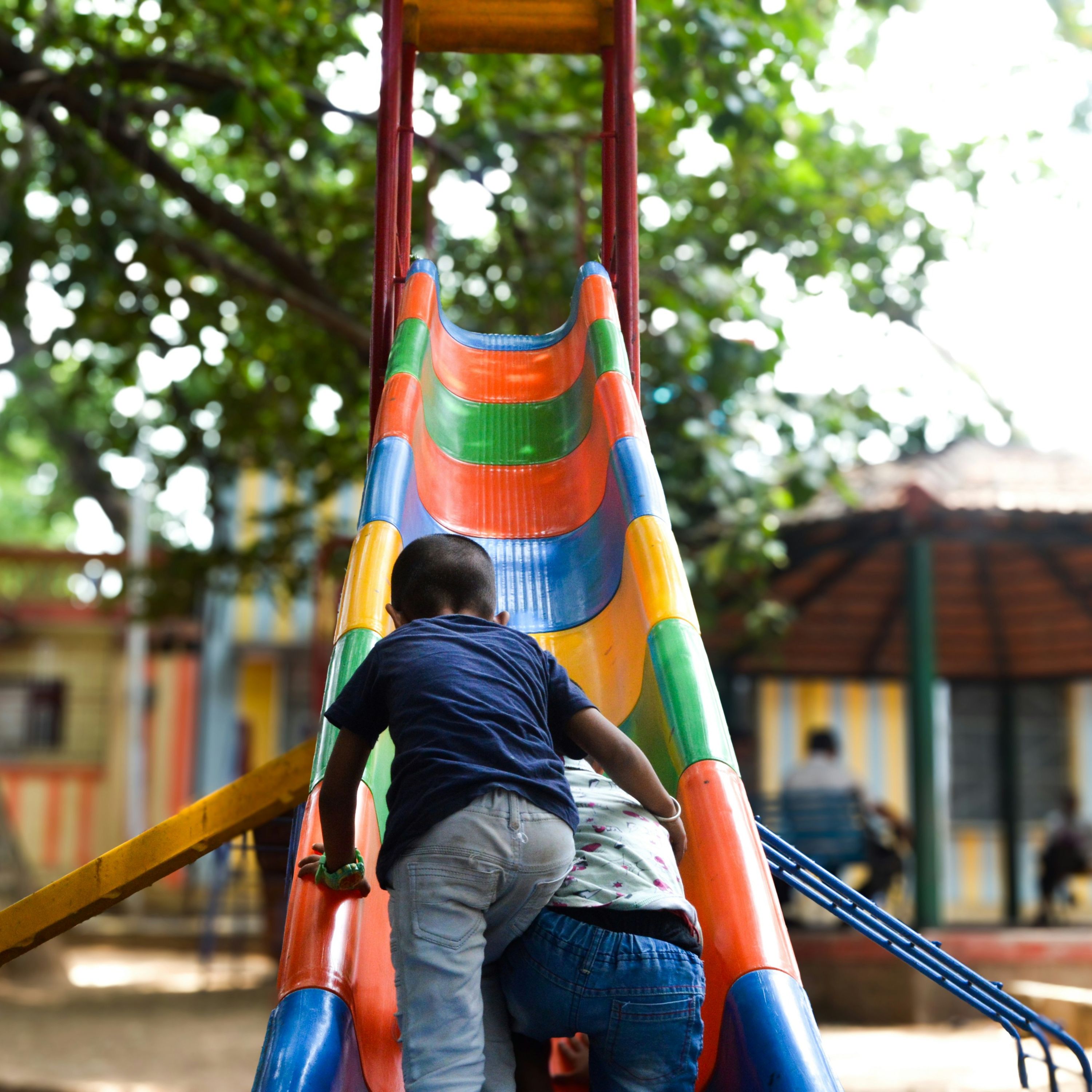
Economist Joseph Hotz theorizes that parents subconsciously enforce stricter rules on their firstborn as an efficiency play. By maximizing the oldest child's success, they create a role model whose achievements and behaviors will 'spill over' to younger siblings, maximizing the return on total parental investment.
Psychologist Robin Fivush finds that the healthiest family sagas are "oscillating," incorporating both life's ups and downs. Unlike purely positive or negative narratives, this model provides a realistic framework of perseverance, teaching children that setbacks can be overcome and are a normal part of life.
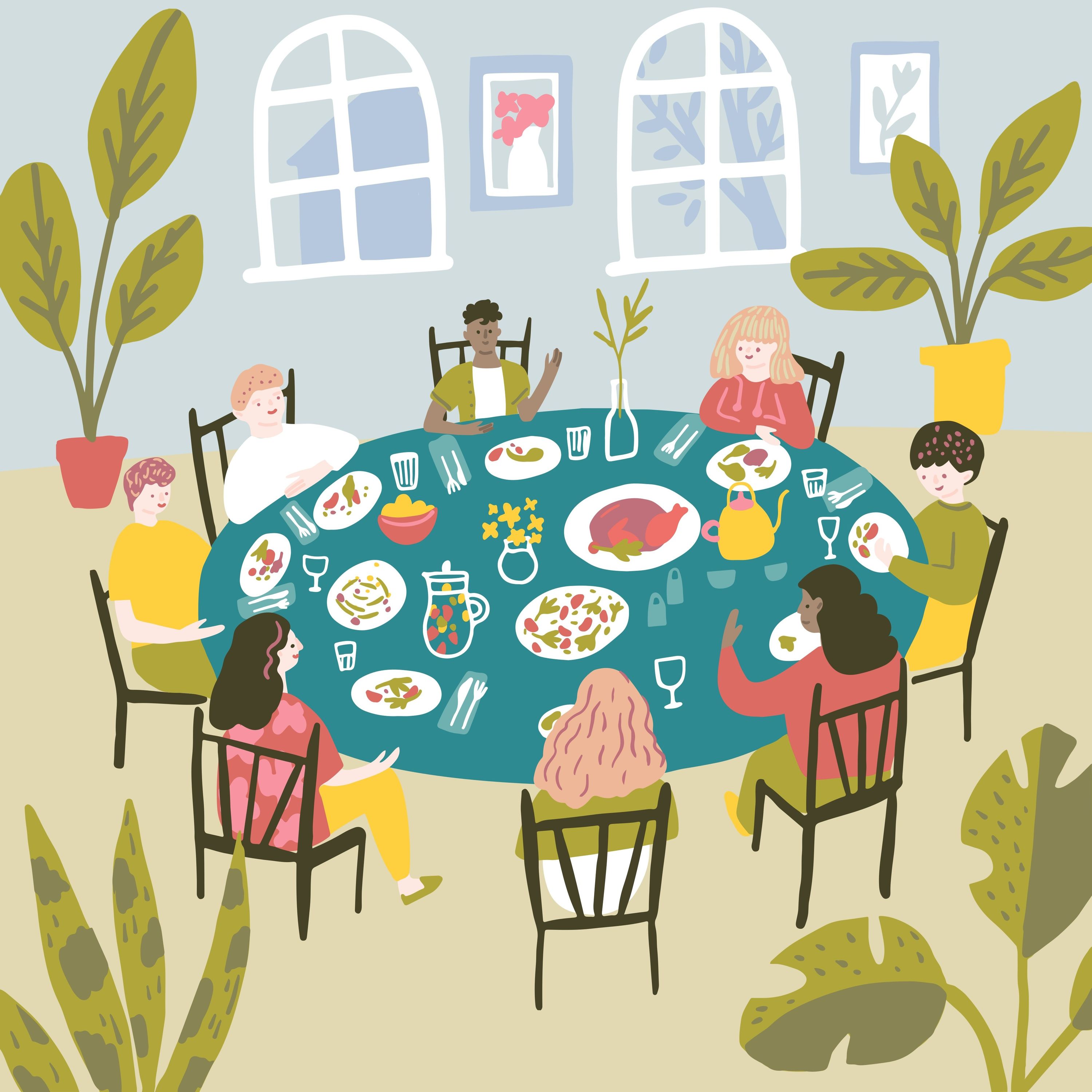
Pediatrician Donald Winnicott argued that children must learn to handle frustration and disappointment. A "perfect" parent who shields a child from all difficulty inadvertently robs them of the chance to develop coping mechanisms for the real world.