Get your free personalized podcast brief
We scan new podcasts and send you the top 5 insights daily.
A cautionary tale for founders who gain early liquidity. Lavish spending on items like Ferraris signals a shift in focus away from the company and customers, creating employee resentment and signaling risk to investors. It's a form of "toxic wealth" that distracts from the mission.

Related Insights
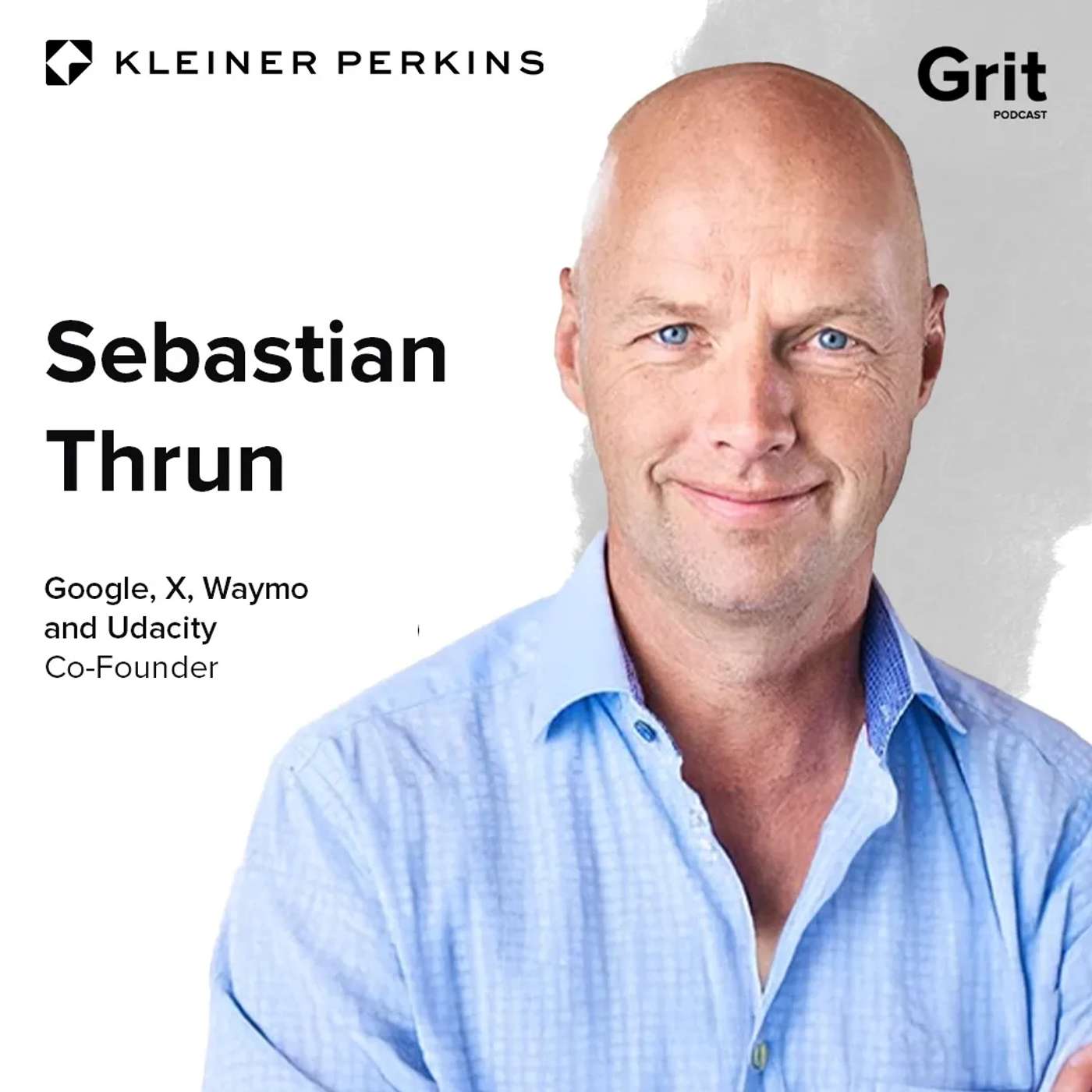
Sebastian Thrun bought a Ferrari to test if wealth brought happiness, but found it provided "zero days" of joy. He concluded that beyond basic needs, managing wealth is a time-consuming distraction that creates work (defending, growing, spending it) rather than enabling impactful creation.
Contrary to the belief that wealth enables better leadership, Bouaziz argues it can be a 'trap.' He has observed successful founders get distracted by newfound wealth, pulling their attention from the business and causing it to stagnate. This period of underperformance often continues until a crisis or board pressure forces them to refocus on their core responsibilities.

A consistent pattern among wealthy founders reveals that worthwhile purchases enhance life by creating more time, improving health, and fostering calm. In contrast, purchases focused on status items like cars and watches are often regretted because they add complexity and responsibility without improving well-being.

A common mistake among new creators is spending early profits on luxury goods instead of reinvesting in the business. The most effective use of that capital is hiring people to scale operations. This accelerates the path to long-term wealth and achieving your dream, rather than just the appearance of success.

Despite having the funds, a majority of founders regret making large 'trophy' purchases right after selling. The sentiment that 'the things you own end up owning you' holds true, as these assets add new responsibilities and stress during a major life adjustment.
While insecurity can be a powerful motivator, it's an unhealthy and unsustainable fuel for ambition. Success achieved this way often leads to reckless spending on "dumb shit" because the money is used to prove others wrong, rather than building lasting value.
David Cohen observes that founders who are inherently frugal or "stingy" with capital—spending only when absolutely necessary—often achieve better outcomes. This mindset, focused on capital preservation and efficiency, is a more powerful indicator of success than simply raising large rounds to fuel growth, a trait he has seen in his own entrepreneurial career.

The intense, unreasonable passion that fuels hyper-growth is the same trait that can lead a founder to make reckless, company-threatening decisions. You can't have the creative genius without the potential for destructive behavior. The same person who clears the path can also blow everything up.

Jacqueline Johnson argues that true wealth is about long-term security and is often "quiet," while status is a loud, active pursuit of recognition. She prioritizes building a reputation for helping others over being seen at high-profile events.
Emma Hernan, who bootstrapped her company, observed funded competitors fail by spending investor money carelessly. Her advice to funded founders is to adopt a bootstrapped mentality, treating every external dollar with the same discipline as if it were their last personal dollar to ensure prudent capital allocation.
