Get your free personalized podcast brief
We scan new podcasts and send you the top 5 insights daily.
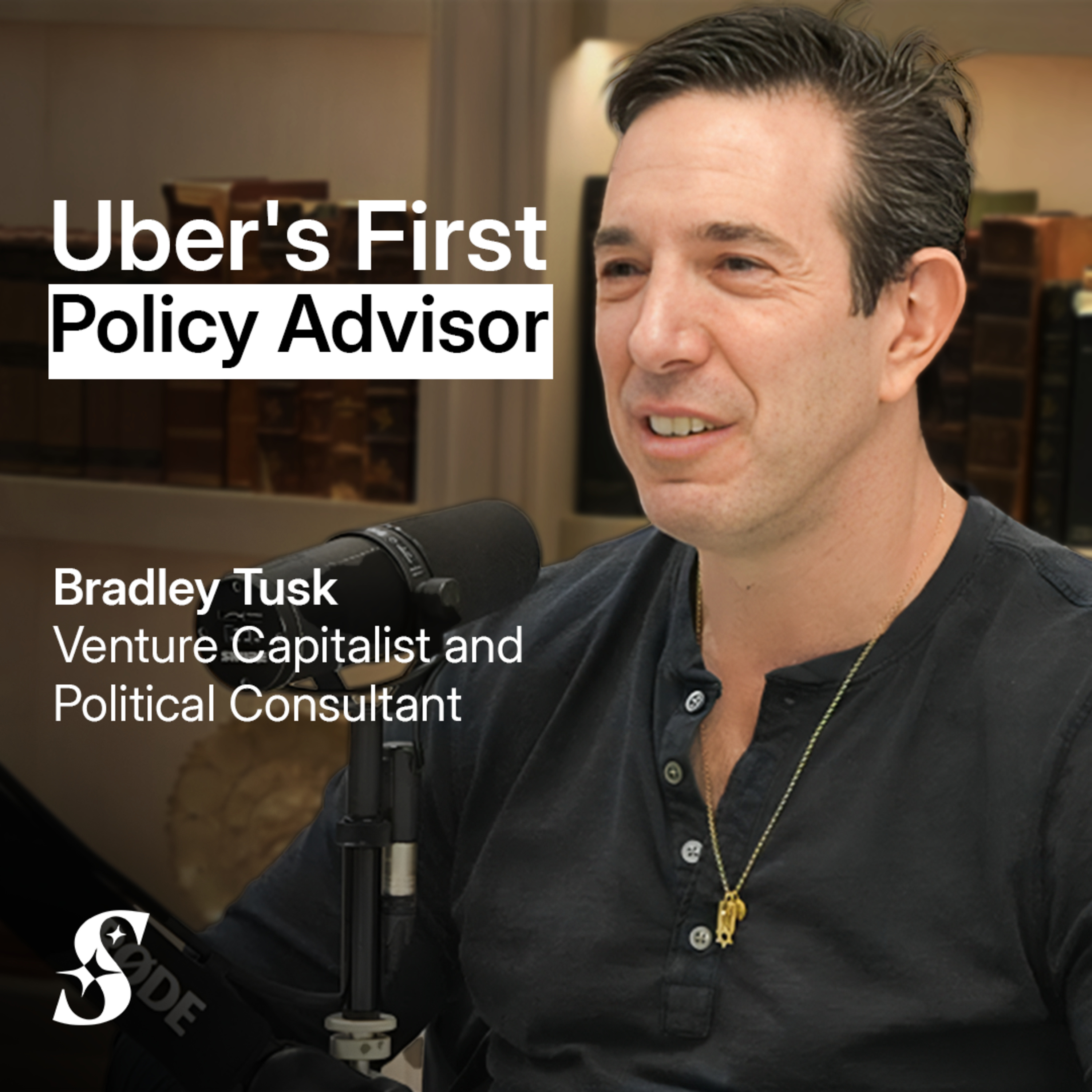
Tusk intentionally loses $1M/year on a bookstore, viewing it as an A/B test against spending the same on private flights. The bookstore provides meaning, purpose, and social affirmation—an 'abundance' return on happiness—that far outweighs the 'zero-sum' convenience and status of luxury travel.
Related Insights
To achieve true freedom, one should calculate the "last dollar" they will ever need to spend. Once this number is reached, decision-making can shift away from financial maximization. This framework helps entrepreneurs avoid trading their best hours for "bad dollars"—money that provides zero additional life utility.

The justification for a dream home isn't financial appreciation but its ability to generate joy and connection. By serving as a gathering place for family, friends, and peers, the home becomes an investment in relationships and memories, making its emotional and social return the primary metric of success.

A consistent pattern among wealthy founders reveals that worthwhile purchases enhance life by creating more time, improving health, and fostering calm. In contrast, purchases focused on status items like cars and watches are often regretted because they add complexity and responsibility without improving well-being.
The joy derived from luxuries comes from the contrast with everyday life. A private chef's five-star meal becomes mundane when served daily. By keeping your baseline simple, you amplify the pleasure of occasional splurges, making them more memorable and impactful than constant indulgence.

When asked why he wasn't a billionaire, Mike Lazaro explained that achieving that level of wealth would have required sacrificing his presence at his kids' games and family dinners. Their family consciously 'drew the line,' choosing to be home by 6 p.m. instead of optimizing solely for money, a trade-off they believe was essential for a fulfilling life.
People mistakenly chase happiness through spending, but happiness is a temporary emotion, like humor, that lasts only minutes. The more achievable and durable goal is contentment—a lasting state of being satisfied with what you have. Aligning spending to foster long-term contentment, rather than short-term happiness, is key to well-being.

Investing in high-quality items used daily, like nice dinnerware or a good sound system, can provide more cumulative happiness than spending on major purchases used less often. Optimizing for day-to-day delight is a powerful philosophy for life satisfaction.

Humans derive more satisfaction from progress and growth than from a static state of being. The journey of building wealth—the striving, learning, and overcoming challenges, especially with a partner—is often more rewarding and memorable than the destination of simply possessing wealth.
The pursuit of wealth as a final goal leads to misery because money is only a tool. True satisfaction comes from engaging in meaningful work you would enjoy even if it failed. Prioritizing purpose over profit is essential, as wealth cannot buy self-respect or happiness.

Jacqueline Johnson argues that true wealth is about long-term security and is often "quiet," while status is a loud, active pursuit of recognition. She prioritizes building a reputation for helping others over being seen at high-profile events.