Get your free personalized podcast brief
We scan new podcasts and send you the top 5 insights daily.
A scientific background can be a major asset in a CEO role, not a liability. The core principles of science—making data-driven, rational, and unemotional decisions—translate directly to the business world. This allows for objective choices that align scientific development with the company's business needs.
Related Insights
With engineer CEOs leading 9 of the top 10 global companies, the C-suite increasingly values analytical rigor. Marketers must evolve beyond gut-feel by embracing a hypothesis-driven, systems-thinking approach. This not only improves decision-making but also enhances communication and credibility with analytically-minded leadership.
A CEO's primary role differs fundamentally based on company type. In an asset-centric biotech, the CEO must act as a hands-on program manager, micromanaging execution. In a platform company, the CEO must be deeply embedded in the science to predict and leverage the technology's long-term trajectory.

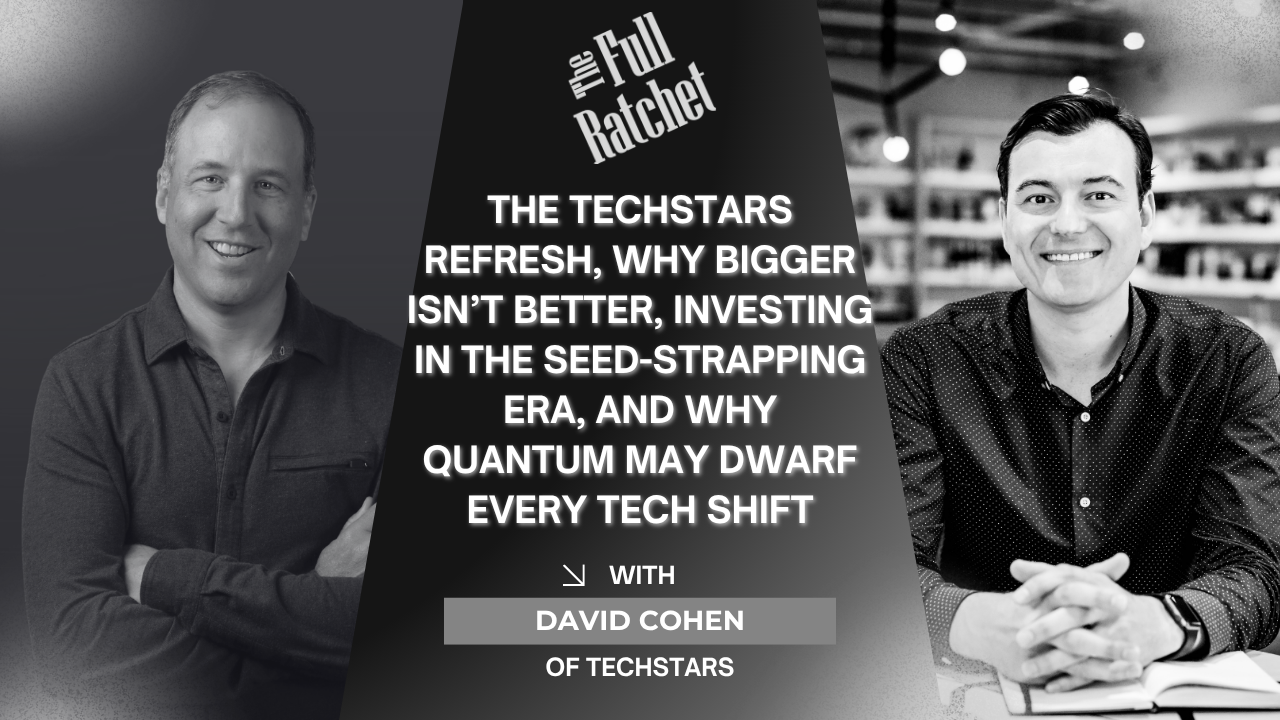
According to Techstars' CEO David Cohen, standout AI companies are defined by their leadership. The CEO must personally embody an "AI-first" mindset, constantly thinking about leverage and efficiency from day one. It's not enough to simply lead a team of engineers who understand AI; the strategic vision must originate from the top.
The ultimate differentiator for CEOs over decades isn't just product, but their skill as a capital allocator. Once a company generates cash, the CEO's job shifts to investing it wisely through M&A, R&D, and buybacks, a skill few are trained for but the best master.

While startups must be nimble, analytical processes from large corporations are invaluable. The key is applying the same rigorous thinking to decision-making but compressing the timeline. Having prior experience with similar situations allows leaders to make informed choices more quickly.

Recognizing that business leaders—not scientists—often set research priorities, Jonathan Steckbeck intentionally earned an MBA before his PhD. This nontraditional path gave him the commercial acumen to found a company where he could direct both the scientific and business strategy from day one.

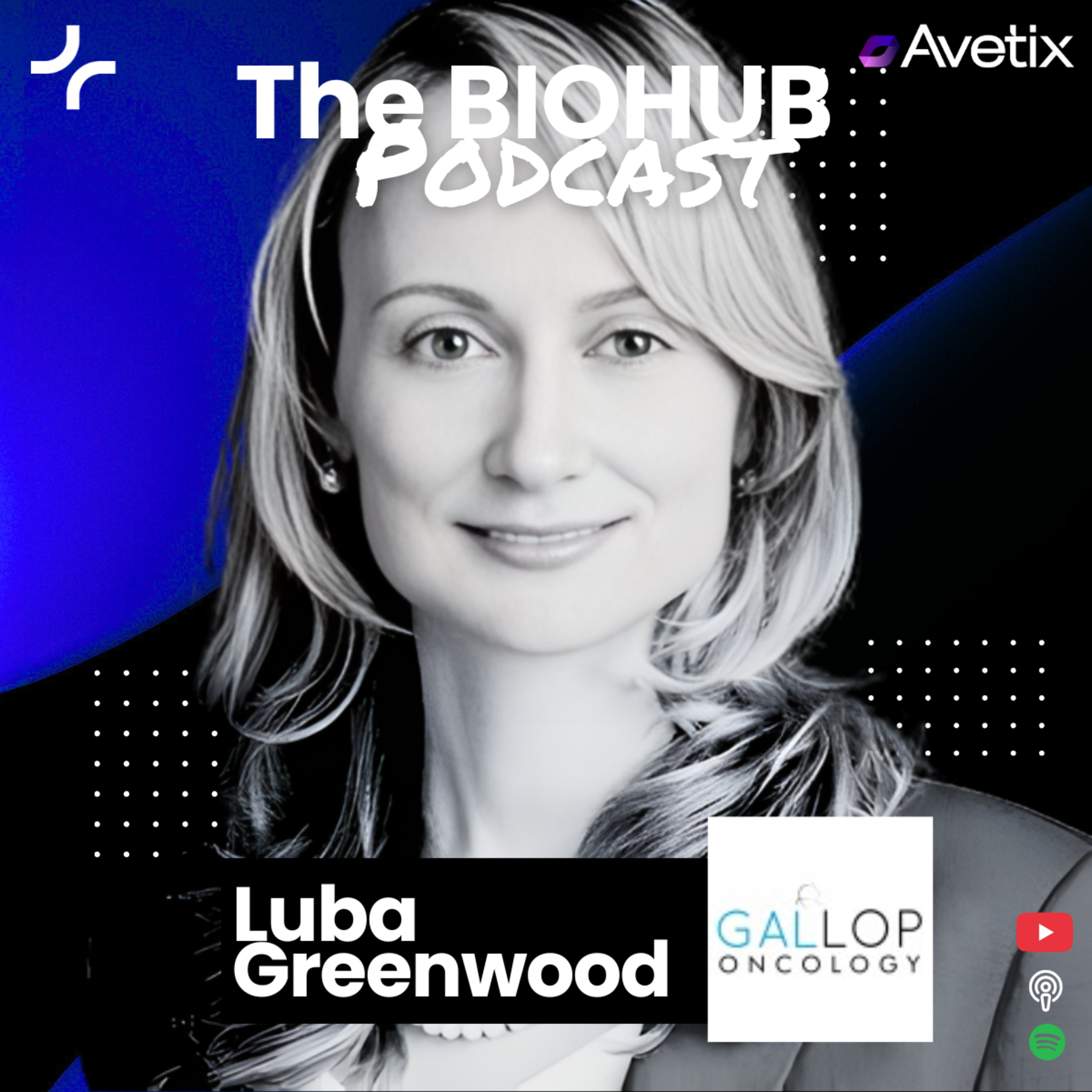
Luba Greenwood argues that unlike in tech, many biotech CEOs lack P&L experience. In today's cash-constrained market, CEOs need to be able to build financial models and understand finance deeply to be effective, a skill she personally developed after transitioning from law and science.
Investor preference for CEOs has shifted dramatically. While 2019-2021 favored scientific founder-CEOs, today’s tough market demands leaders with prior CEO experience. The ideal candidate has a "matrix organization" background, understanding all business functions, not just the science.
While success is celebrated publicly, some of the best leadership happens privately when a CEO makes the tough, candid call to shut down a program or company due to unfavorable data. This "truth-seeking" decision, often against their personal interest, is a hallmark of excellence.

The CEO of Peptilogics boils down leadership in the unpredictable, long-haul life sciences industry to three traits. Leaders must adapt to rapid changes, maintain a steady hand for the decade-plus development cycles, and provide a clear, guiding vision throughout.