Get your free personalized podcast brief
We scan new podcasts and send you the top 5 insights daily.
Eric Ryan frames the founder-to-investor transition as moving from being the 'quarterback' who constantly faces challenges ('gets sacked') to being a 'coach' on the sidelines who can guide and encourage entrepreneurs.

Related Insights
Entrepreneurs often prefer being the indispensable "most valuable player" because it feels good and gives them control. However, this ego-driven desire makes the business less valuable and prevents it from scaling. To truly grow, a founder must transition from the court to the owner's box.

Drawing an analogy to legendary music producer Rick Rubin, an investor's role is to help a founder find the most authentic and compelling version of their own story. The goal is not to invent a narrative, but to draw out the founder's core truth and channel it through their company.

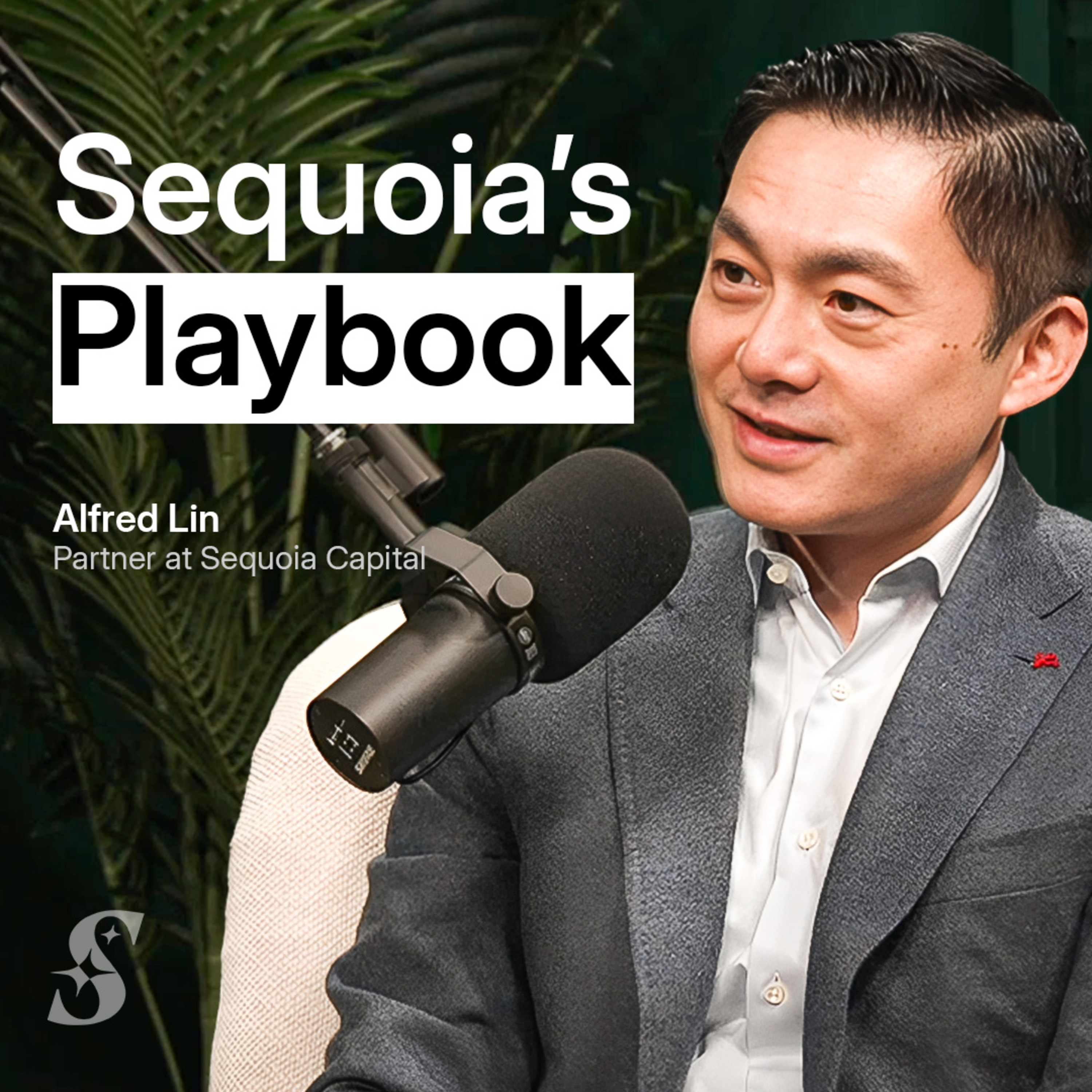
Alfred Lin's framework for board members is to be supportive 'shock absorbers' during hardships, helping founders pick up the pieces. When the company is succeeding, they become 'sparring partners' to challenge founders, prevent complacency, and push the business to the next level.
After building a company to nearly 1,000 people, Ron Conway realized he disliked managing at scale, feeling like an "HR director." On the advice of Sequoia's Don Valentine, he transitioned to angel investing. This allowed him to leverage his operational experience to advise founders without the burden of day-to-day people management.

For former operators who become VCs, the biggest challenge is to stop acting like an operator. The 'Hippocratic Oath of Venture' is to 'do no harm.' This means staying out of the way when a company is executing well and providing resources rather than unsolicited operational input.

Many VC firms hire former operators for their expertise, but success isn't guaranteed. The best operator-VCs avoid the urge to "backseat drive" the companies they fund. Instead, they leverage their experience with extraordinary humility, acting as a supportive advisor rather than a replacement CEO.

The title "CEO" is misleading. A founder's real job is to be a firefighter, constantly on call to handle unexpected crises, from employee emergencies to losing major clients. This mindset shift from strategic leader to crisis manager better reflects the reality of entrepreneurship and its inherent volatility.

The hardest transition from entrepreneur to investor is curbing the instinct to solve problems and imagine "what could be." The best venture deals aren't about fixing a company but finding teams already on a trajectory to succeed, then helping change the slope of that success line on the margin.

The most valuable role for a board member isn't giving advice, but acting as a "sparring partner." This involves asking sharp questions that help founders surface their own insights and gain clarity on ideas they already hold, especially when navigating uncharted territory.

The transition from a C-suite operator managing thousands to an investor is jarring. New VCs must adapt from leading large teams to being individual contributors who write their own memos and do their own sourcing. This "scaling down" ability, not just prior success, predicts their success as an investor.