Get your free personalized podcast brief
We scan new podcasts and send you the top 5 insights daily.
A critical vulnerability for scaling up directed energy weapons is the supply chain for rare earth minerals like terbium and dysprosium. With China controlling up to 90% of the global supply, this creates a significant geopolitical dependency and risk for Western defense manufacturing.

Related Insights
While the US focuses on quarterly returns, China has spent decades investing in and controlling the supply chain for critical minerals essential for technology and defense, securing long-term leverage.

China's export ban on rare earth metals, critical for everything from iPhones to fighter jets, exposes a major US vulnerability. The solution is to treat domestic mining like vaccine development—a national security priority that requires fast-tracking the typical 30-year regulatory process for opening new mines.

China is leveraging its 90% control over rare earth processing not just against the US, but globally. By requiring licenses from any company worldwide, it creates a chokehold on high-tech manufacturing and establishes a new template for economic coercion.
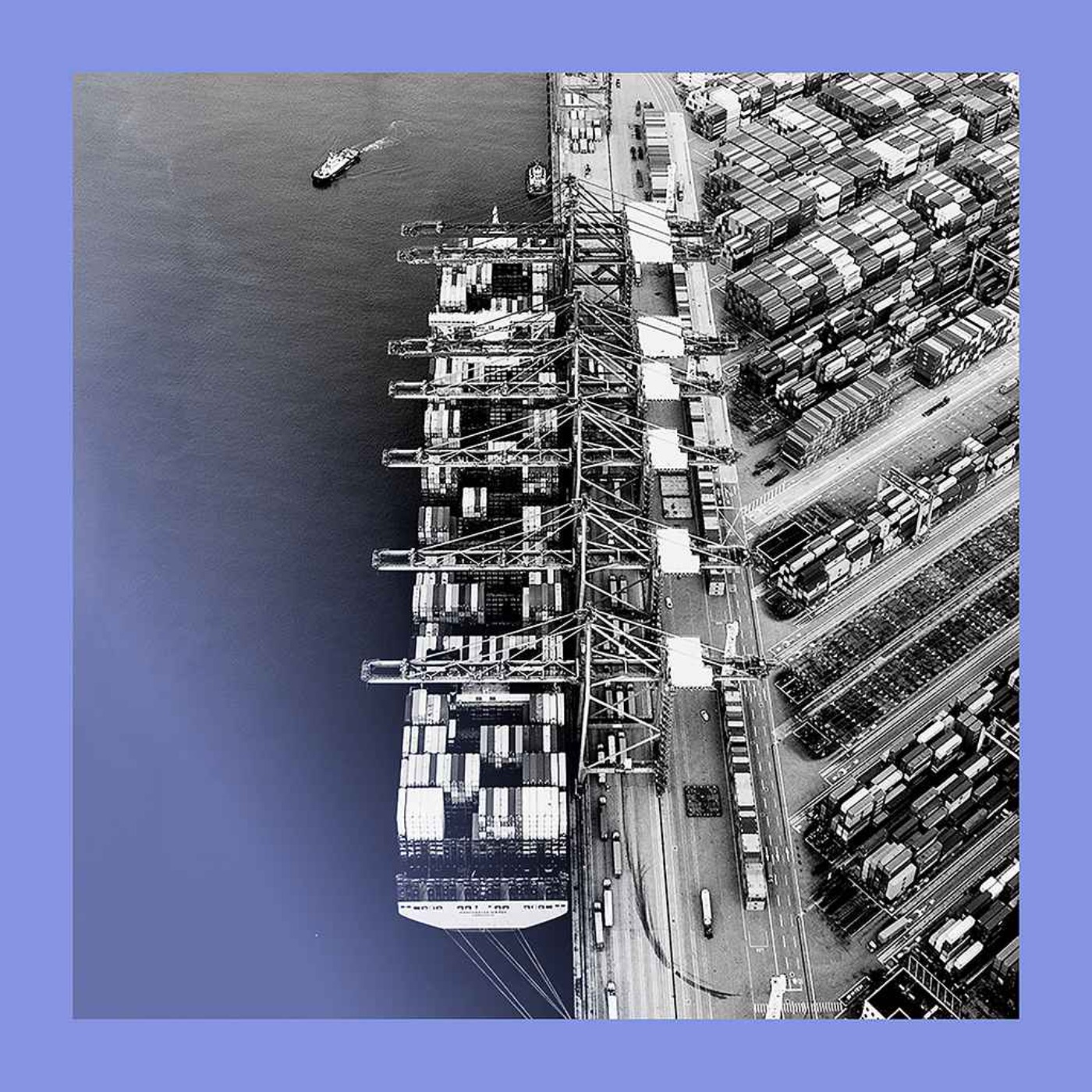
Major defense contractors like Lockheed Martin assemble products in the US, but they rely heavily on a global supply chain for raw materials and components. This dependence, particularly on nations like China for rare earth metals, means the US does not truly control its military production capabilities.

The US is severely disadvantaged in a future conflict based on production scale. China produces 93% of the world's rare-earth magnets and dominates PCB manufacturing—both essential for the robotics and autonomous systems that will define modern warfare—giving it an overwhelming advantage.

While headlines focus on advanced chips, China’s real leverage comes from its strategic control over less glamorous but essential upstream inputs like rare earths and magnets. It has even banned the export of magnet-making technology, creating critical, hard-to-solve bottlenecks for Western manufacturing.

Supply chain vulnerability isn't just about individual parts. The real test is whether a complex defense system, like a directed energy weapon, can be manufactured *entirely* from components sourced within the U.S. or from unshakeable allies. Currently, this is not possible, representing a critical security gap.

The urgent need to replenish munitions for Ukraine and prepare for a Taiwan contingency is directly undermined by dependency on Chinese rare earths. Chinese export control laws can automatically deny sales to defense users, creating an acute short-term vulnerability for a Western defense industrial base holding limited stockpiles.

China's dominance in rare earth and critical mineral supplies, which are vital for US weapons and tech manufacturing, gave President Xi a strategic advantage over President Trump in their recent summit. This economic chokehold shifted the traditional power dynamic between the two nations.
China's global dominance isn't in owning mines, but in controlling the midstream refining and smelting processes. This creates a critical choke point for the West's supply of essential materials for defense, AI, and electrification, as they control 50-98% of processing capacity for key metals.
