Get your free personalized podcast brief
We scan new podcasts and send you the top 5 insights daily.
The urgent need to replenish munitions for Ukraine and prepare for a Taiwan contingency is directly undermined by dependency on Chinese rare earths. Chinese export control laws can automatically deny sales to defense users, creating an acute short-term vulnerability for a Western defense industrial base holding limited stockpiles.

Related Insights
The shift to a less adversarial China policy may be a strategic maneuver to avoid supply chain disruptions. The U.S. appears to be biding its time—likely for 5+ years—to wean itself off dependence on Chinese rare earth minerals, which are critical for both industry and defense manufacturing.

China's export ban on rare earth metals, critical for everything from iPhones to fighter jets, exposes a major US vulnerability. The solution is to treat domestic mining like vaccine development—a national security priority that requires fast-tracking the typical 30-year regulatory process for opening new mines.

Securing mineral deposits is insufficient because China has controlled the export of key rare earth processing technologies since 2008. This creates a significant technological moat. The U.S. government has even had to formally request China share these technologies, highlighting a deep dependency beyond just raw materials.
China is leveraging its 90% control over rare earth processing not just against the US, but globally. By requiring licenses from any company worldwide, it creates a chokehold on high-tech manufacturing and establishes a new template for economic coercion.
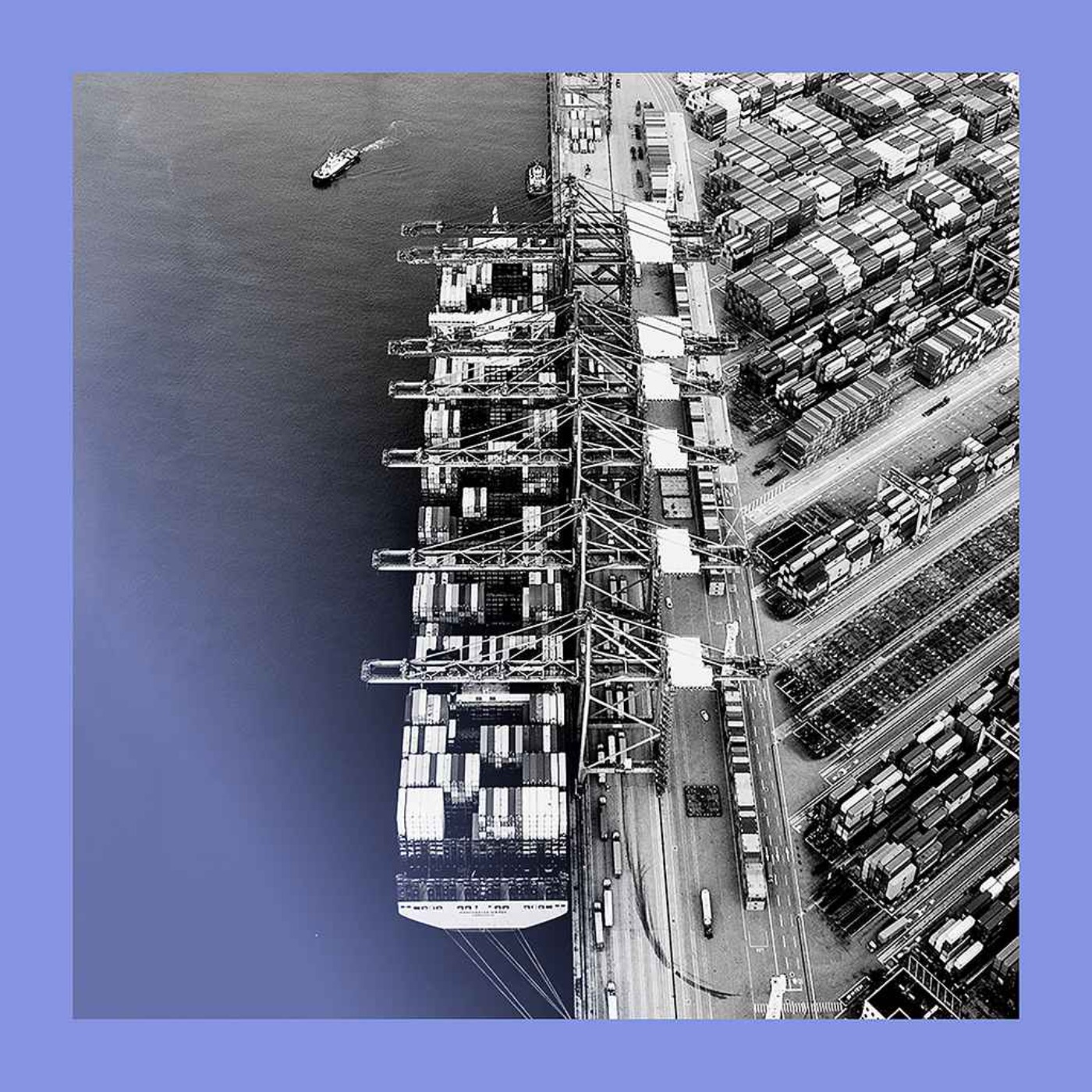
China demonstrated its significant leverage over the U.S. by quickly pressuring the Trump administration through a partial embargo on rare earth metals. This showcased a powerful non-tariff weapon rooted in its control of critical mineral supply chains, which are also vital for defense applications.

While headlines focus on advanced chips, China’s real leverage comes from its strategic control over less glamorous but essential upstream inputs like rare earths and magnets. It has even banned the export of magnet-making technology, creating critical, hard-to-solve bottlenecks for Western manufacturing.

Facing China's export restrictions on rare earth metals, the U.S. immediate strategy is "ally-shoring": striking a major deal with Australia. This secures the supply chain through geopolitical partnerships as a faster, more pragmatic alternative to the long process of building domestic capacity from scratch.
China is restricting exports of essential rare earth minerals and EV battery manufacturing equipment. This is a strategic move to protect its global dominance in these critical industries, leveraging the fact that other countries have outsourced environmentally harmful mining to them for decades.

China's global dominance isn't in owning mines, but in controlling the midstream refining and smelting processes. This creates a critical choke point for the West's supply of essential materials for defense, AI, and electrification, as they control 50-98% of processing capacity for key metals.

The U.S. readout emphasized securing rare earth supply, while China's was silent on the topic. This suggests China is holding its mineral leverage in reserve to pressure the U.S. for concessions regarding its stance on Taiwan, particularly concerning arms sales.