Get your free personalized podcast brief
We scan new podcasts and send you the top 5 insights daily.
After a successful direct-to-consumer launch of his personal skateboards, Rodriguez was convinced to merge the project into his brand, Primitive. He sacrificed immediate high-margin sales for the long-term goal of building a company that wasn't dependent on his personal athletic career and could have a longer lifespan.

Related Insights
Faced with a massive distribution opportunity, the founder declined because it required compromising on non-negotiable brand pillars like wax quality, signature molds, and US manufacturing. This demonstrates the discipline to prioritize long-term brand equity over short-term revenue and distribution gains.
By naming his company "Nerd Fitness" instead of tying it to his own name, Steve Kamb created an asset that could outgrow him. This strategic choice allowed him to eventually step back from running the company and pursue personal projects without destroying the brand he built.
For high-growth brands, the value of partnering with major figures like athletes isn't immediate sales. The real return is in access and the 'co-sign' effect. One partnership can unlock several other valuable opportunities, making the investment worthwhile through indirect, long-term benefits.

Paul Rodriguez believes that to stay relevant, a brand must push its boundaries, even if it risks alienating its core audience. He describes a constant, tiring recalibration between mainstream collaborations (like Dragon Ball Z) and maintaining credibility in the core skate world, arguing that playing it safe makes a brand 'invisible.'
Gary Vaynerchuk and his friend built their early careers on a shared passion for baseball cards. When the market shifted to toys, Gary pivoted his entire business instantly, while his friend, unable to let go, quit. This illustrates the critical need to prioritize market viability over personal attachment to a product.

Tim Ferriss chose not to launch a supplement line with "The 4-Hour Body," a move that cost him millions short-term. This sacrifice preserved his credibility as an unbiased source, protecting his audience's trust, which he views as his most valuable long-term asset.

To create a brand that outlasts any individual, founder Nima Jalali avoids making his pro-snowboarder background the central marketing story. He believes a brand’s narrative should be bigger than one person's story to achieve true longevity, comparing it to how Apple markets the iPhone, not Steve Jobs.
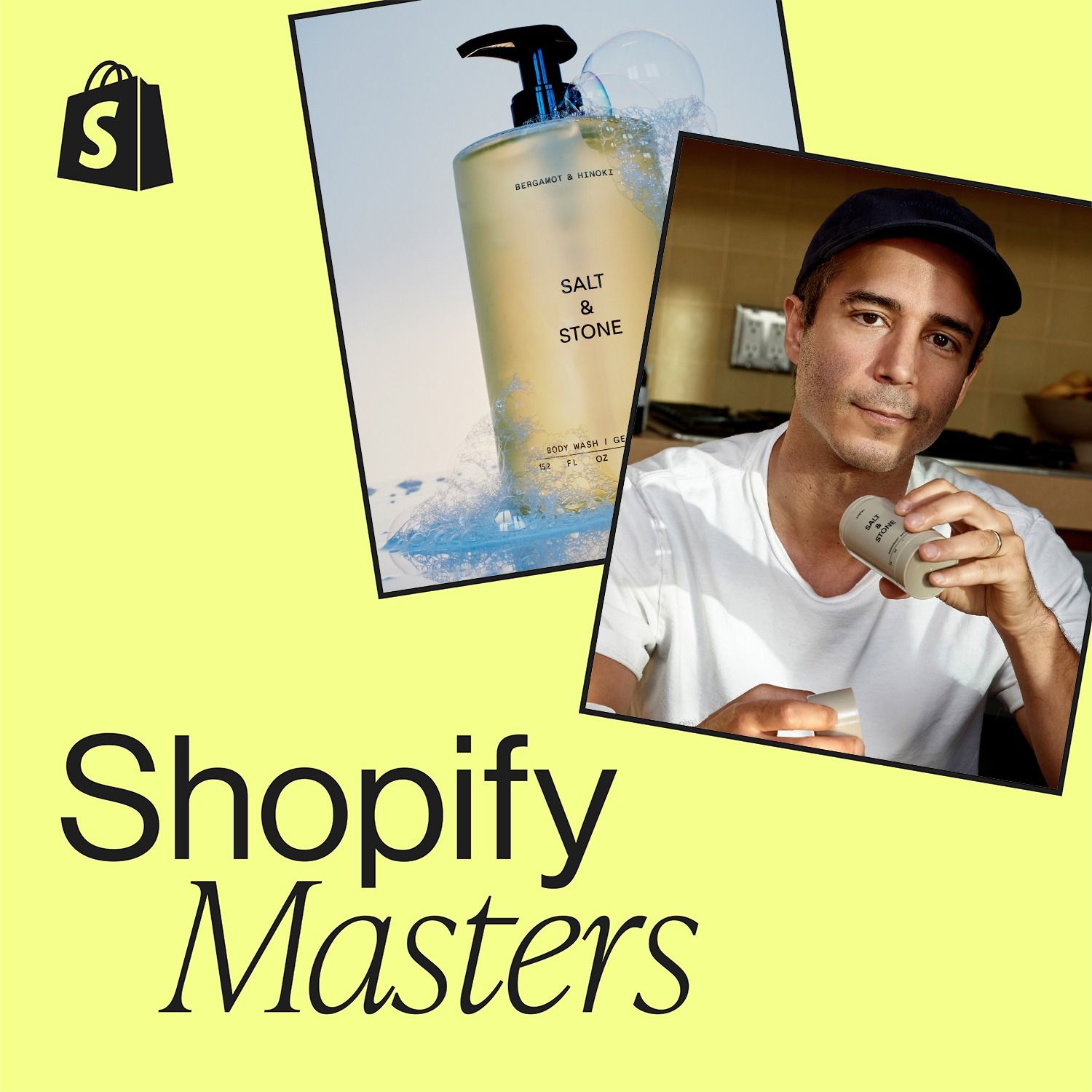
When Sephora first approached T3, their request was to create a Sephora-branded hair dryer. Despite being a young, bootstrapped company, T3 declined the white-label opportunity. They insisted on selling under their own brand name, a crucial decision that allowed them to build long-term brand equity instead of becoming a disposable supplier.
The ultimate goal for Give Hugs was for the brand to be bigger than its founder, Lexi Hensler. They achieved this by creating a separate identity and community for the product, to the point where many customers know the brand but not the founder behind it, ensuring its longevity.
Facing criticism for partnering with mainstream brands like Nike, Rodriguez reframed the argument. He believes that since he loved skateboarding so much he did it for free for years, getting paid was a natural extension of his passion. To him, 'selling out' is doing a job you dislike purely for the money.