Get your free personalized podcast brief
We scan new podcasts and send you the top 5 insights daily.
By naming his company "Nerd Fitness" instead of tying it to his own name, Steve Kamb created an asset that could outgrow him. This strategic choice allowed him to eventually step back from running the company and pursue personal projects without destroying the brand he built.
Related Insights
When company growth forced Steve Kamb into management and away from his love of writing, he became miserable. He strategically demoted himself from CEO, and then again from marketing head, to return to his core strength, ultimately benefiting both himself and the company.
Many founders treat their startup as a temporary vehicle to an exit, which can lead to an identity crisis after they "win." A healthier approach is to build a company as a "way of life"—a system of activities you want to engage in for the long term, regardless of specific outcomes.

To create a brand that outlasts any individual, founder Nima Jalali avoids making his pro-snowboarder background the central marketing story. He believes a brand’s narrative should be bigger than one person's story to achieve true longevity, comparing it to how Apple markets the iPhone, not Steve Jobs.
The ultimate goal for Give Hugs was for the brand to be bigger than its founder, Lexi Hensler. They achieved this by creating a separate identity and community for the product, to the point where many customers know the brand but not the founder behind it, ensuring its longevity.

Counterintuitively, the longer a founder stays deeply involved in the details, the more durable the company becomes. Like Walt Disney, this intense, prolonged 'founder mode' builds such a strong moat and institutionalizes the vision that the business can endure long after they're gone.
![Brian Chesky - AI Founder Mode - [Invest Like the Best, EP.470] thumbnail](https://megaphone.imgix.net/podcasts/6162ba8a-4843-11f1-b7b7-53d3b402f9a6/image/0f929ee6c3171280178b7ad567d250fd.jpg?ixlib=rails-4.3.1&max-w=3000&max-h=3000&fit=crop&auto=format,compress)
Adam White credits his company's success to its expansive name over his original, narrow idea, "Executive Report." A broader brand identity allowed for expansion into various verticals and sounded more appealing, which a niche, descriptive name would have constrained from the start.

After running channels under his own name, Drew Scott deliberately created "Lone Fox" as a distinct brand. This strategic move allowed him to build an entity that customers could envision investing in, separate from his personal persona as a creator.
A brand's long-term health depends on leaders viewing themselves as stewards, not owners. This mindset allows the brand to have its own life, adapt, and evolve—much like a child growing into its own person—ensuring it can survive beyond the founder's direct control.

Pat Walls deliberately named his YouTube channel "Starter Story," not "Pat Walls," while still serving as its host. This created a valuable, acquirable company asset rather than an inseparable personal brand. It combined the authenticity of a creator with the transferability of a corporate brand, making the sale to HubSpot possible.

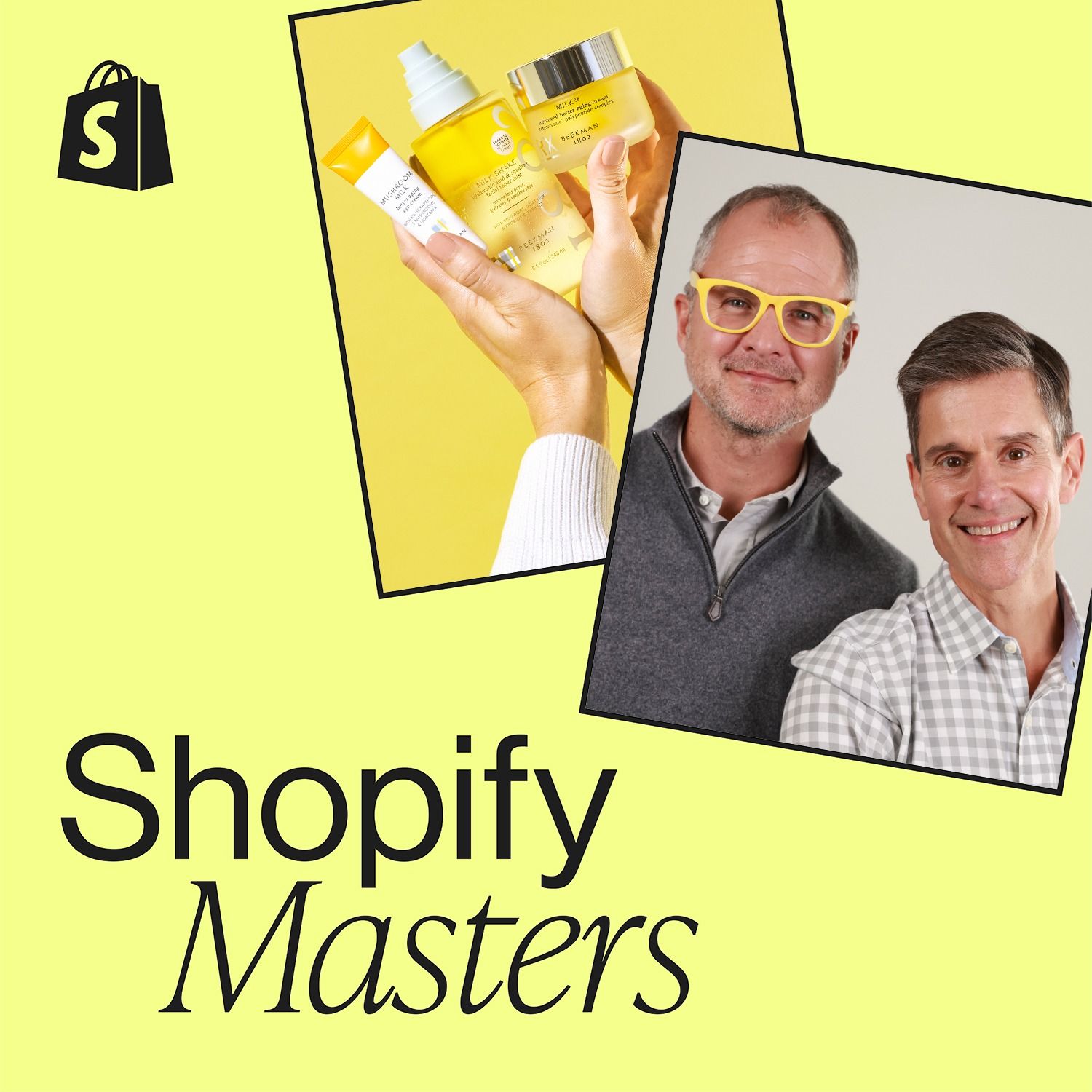
Inspired by legacy brands like Chanel No. 5, the founders named their company "Beekman 1802" after the farm's original builder and founding year. This was a deliberate choice to build a brand that could become a legacy, separate from their personal identities, ensuring it could endure beyond them.