Get your free personalized podcast brief
We scan new podcasts and send you the top 5 insights daily.
To achieve authentic endorsements, brands must simulate a long-term relationship before a big deal. This involves seeding product, buying smaller media like podcast ad reads, and confirming genuine usage first. This manufactured history makes the eventual large-scale partnership believable to the creator's audience, as it doesn't appear out of nowhere.

Related Insights
To ensure authenticity in B2B influencer partnerships, make regular product usage mandatory. If a potential partner isn't willing to use the product (even for free), they are likely just trading their audience for a fee. This litmus test filters for genuine advocates who will champion the product in private circles, where true influence happens.

The effectiveness of large-scale influencer marketing is waning as audiences recognize inauthentic paid promotions. A better strategy is to identify smaller creators, or 'trust brokers,' with high engagement and genuine community trust. Focus on building real, long-term, mutually beneficial relationships rather than transactional one-off posts.

Forcing brand messaging on an influencer leads to inauthentic content that fails to resonate. A better approach is to educate them on your product and collaborate on an angle that aligns with their established voice and topics. Authenticity drives distribution and engagement, making the partnership more effective than a boilerplate promotion.

Unlike awareness, which can be purchased, true authenticity is unattainable for most brands directly. The most effective use of influencers is tapping into their pre-built, genuine communities to gain credibility and trust. This allows a brand to "borrow" the equity of authenticity from creators who have already earned it.
A common mistake is running short-term influencer "pilots" with a transactional mindset (money for posts). In B2B, you are buying long-term trust, not immediate reach. This requires building genuine relationships and ensuring influencers actually use and believe in your product, advocating for it organically.
Olipop only pursues celebrity partnerships after discovering the star is a genuine fan, like when Camila Cabello was repeatedly photographed with the product. The brand then creates "anti-celebrity celebrity ads," featuring the star's real family to ensure the endorsement feels authentic rather than transactional.
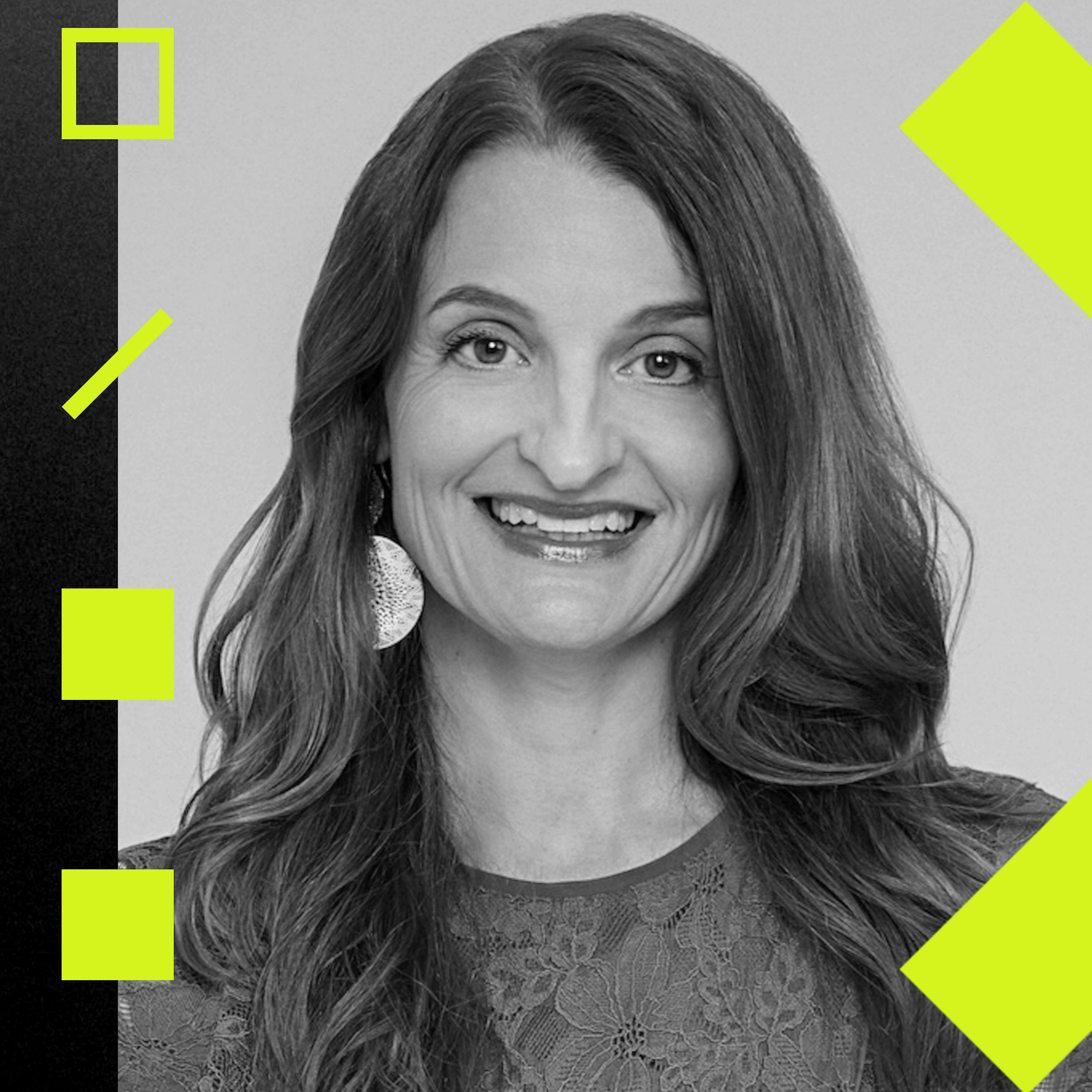
Digitas CEO Amy Lanzi avoids the term "influencer" because it implies a transactional ad buy that audiences reject. Instead, she advocates treating "creators" as a "brand's best friend." They should be integrated into the marketing org to co-create authentically and use their community to feed the product development pipeline.
Direct brand outreach can feel transactional. By using a PR firm with established creator relationships, product seeding is reframed as a personal recommendation from a trusted contact. This leverages the PR rep's social capital, dramatically increasing the chances of the creator trying and liking the product because it comes from a friend, not a faceless company.
Gamma’s founder personally onboarded early influencers, walking them through the product and brainstorming hooks. This investment treats influencers as extensions of the team, not just a media buy, fostering genuine understanding and authentic promotion in their own voice.
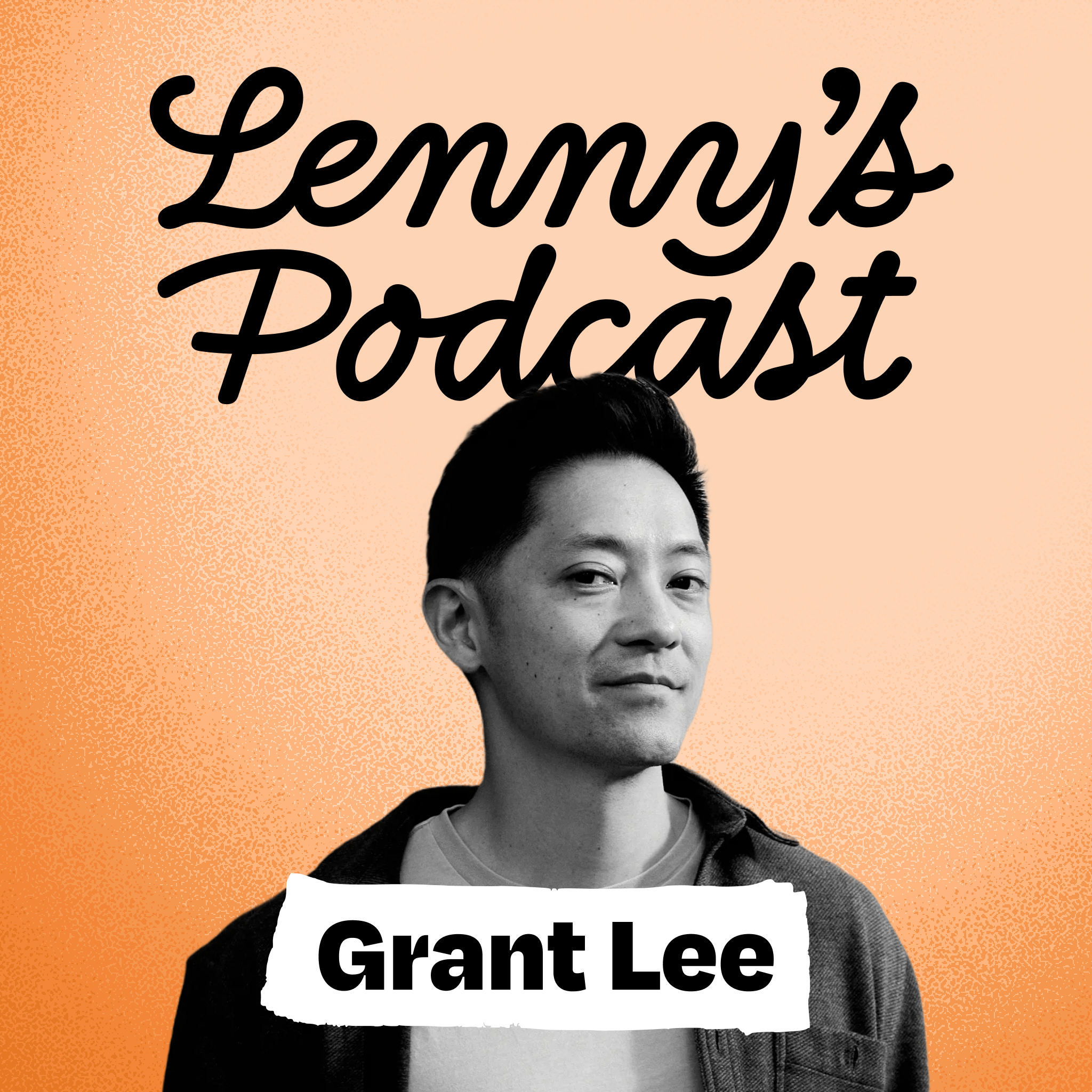
Involve creators early by giving them exclusive previews. This makes them feel like valued partners, not just hired talent, generating genuine excitement that translates into more authentic and powerful promotional content for their audience. It's a key step to improving results.
