Get your free personalized podcast brief
We scan new podcasts and send you the top 5 insights daily.
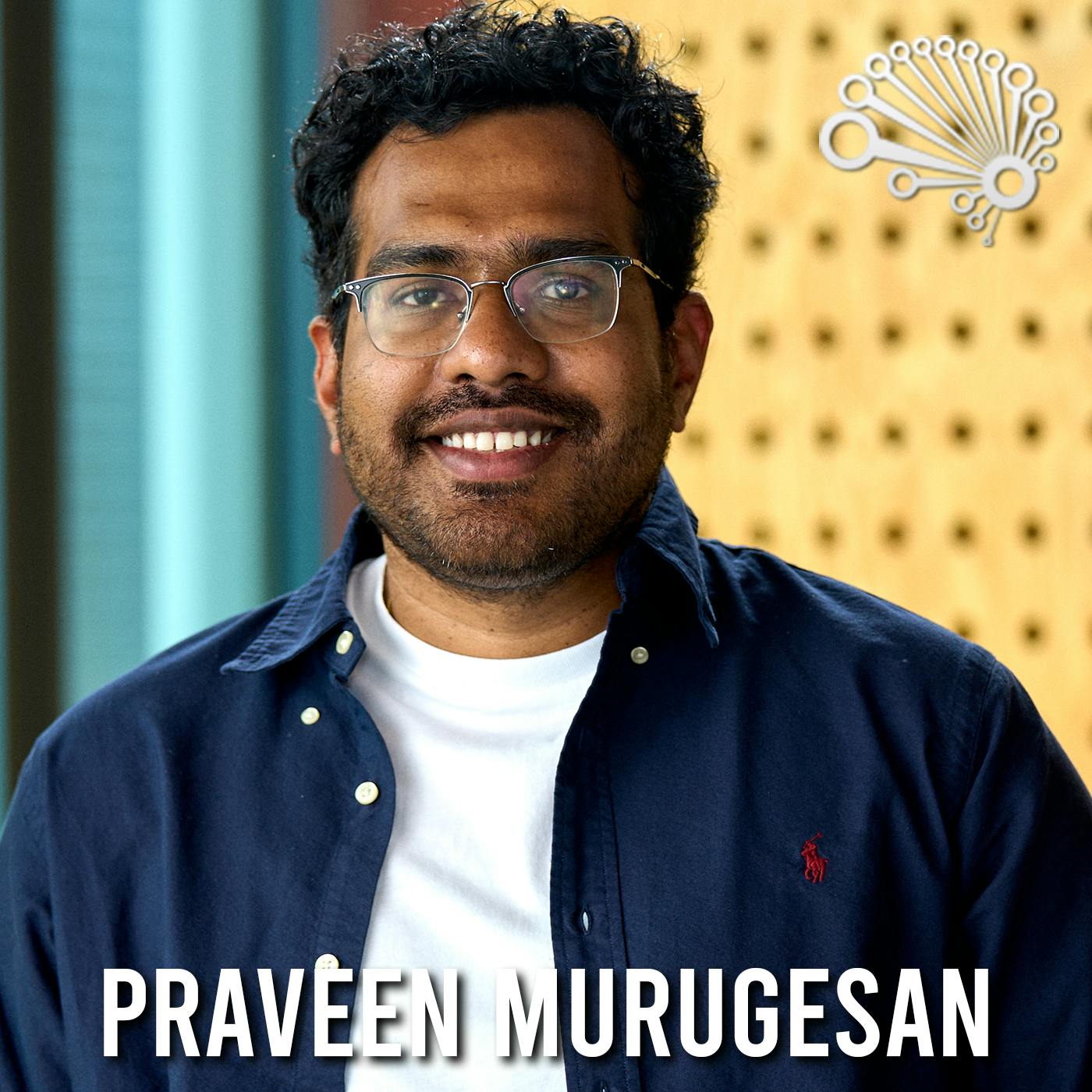
Today's routing algorithms use approximations for complex scenarios. Praveen Murugesan explains that quantum computing could provide precise, optimal solutions by processing immense variables like real-time traffic across thousands of stops and multiple vehicles, moving beyond predictive models.
Related Insights
Contrary to the belief that it has no current utility, quantum computing is already being used commercially and generating revenue. Major companies like HSBC and AstraZeneca are leveraging quantum machines via cloud platforms (AWS, Azure) for practical applications like financial modeling and drug discovery, proving its value today.
An AI-optimized routing plan was rejected by a route planner because it broke established, valuable relationships between specific drivers and customers. The insight is that pure optimization is naive; successful AI must assist human workflows and account for intangible human context.
The future of AI is not a single all-knowing model, but a "router" model that triages requests to a suite of specialized expert AIs (e.g., doctor, programmer). The primary technical and business challenge will shift to building the most efficient and accurate routing system, which will determine market leadership.
This classic mathematical problem seeks the shortest possible route between multiple cities. While simple to state, it's incredibly complex to solve at scale. Its principles are now fundamental to optimizing global logistics and delivery networks for modern commerce giants.

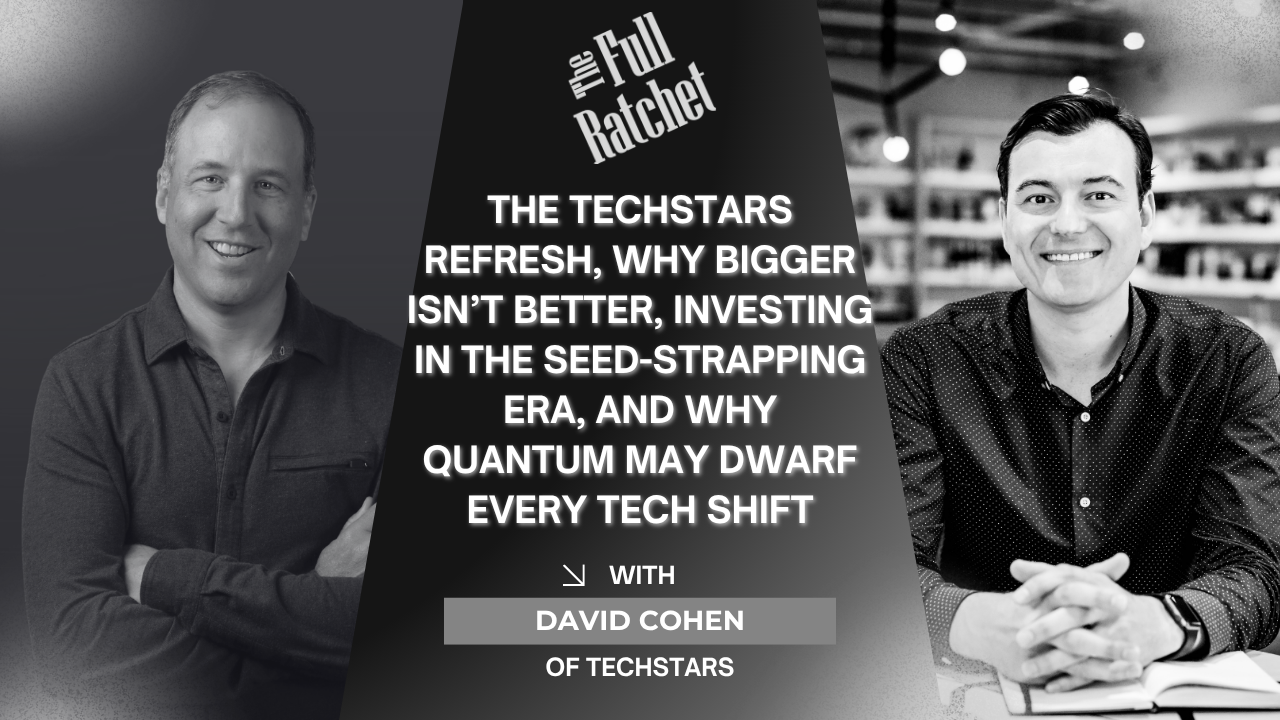
While AI dominates current conversations, Techstars' David Cohen believes Quantum Computing represents a far larger future paradigm shift. He posits that a single quantum computer will eventually surpass the combined power of all AI-driven classical computers. The "killer app" for this new era will be in healthcare, enabling truly personalized medicine.
Leaders from Google, Nvidia, and SpaceX are proposing a shift of computational infrastructure to space. Google's Project Suncatcher aims to harness immense solar power for ML, while Elon Musk suggests lunar craters are ideal for quantum computing. Space is becoming the next frontier for core tech infrastructure, not just exploration.

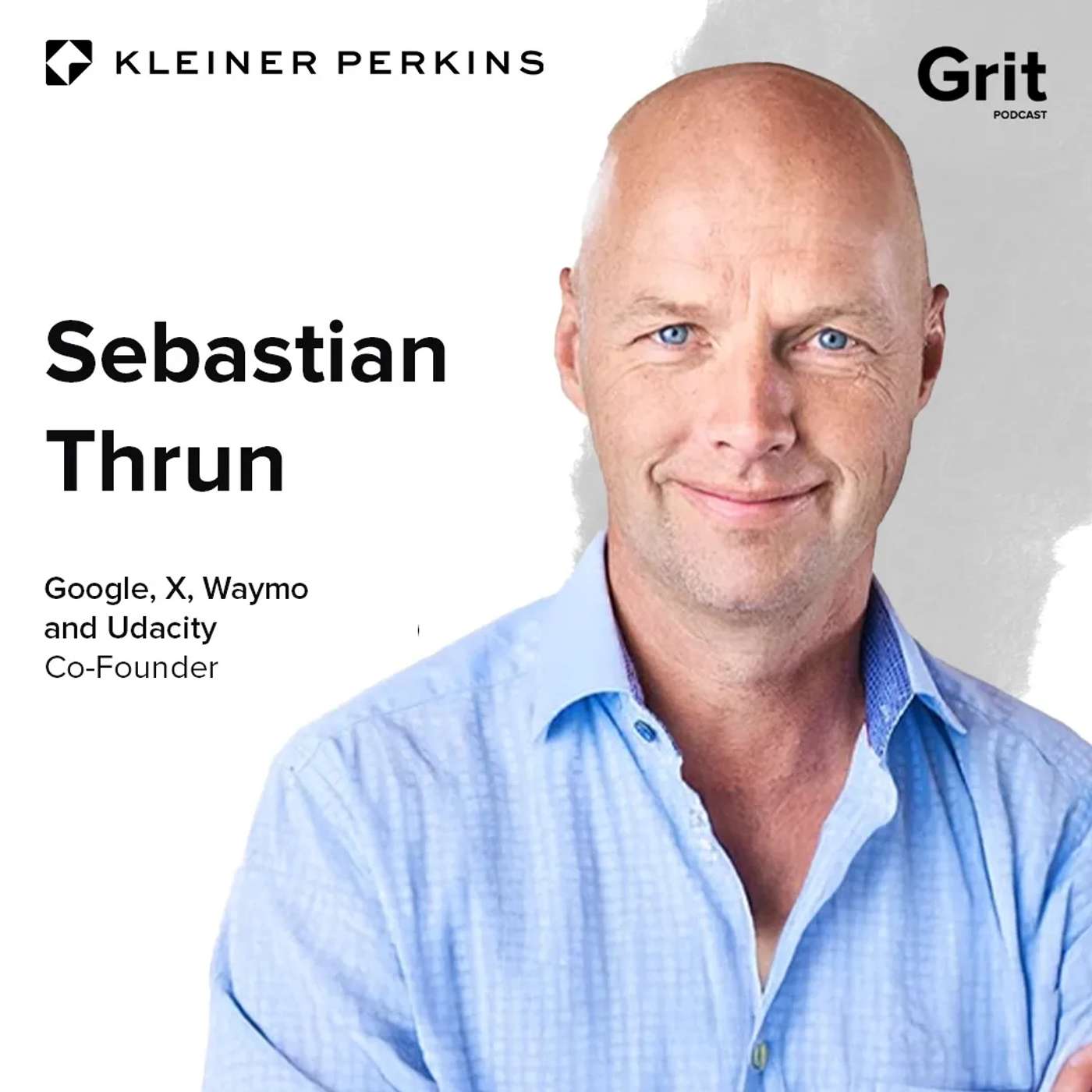
Sebastian Thrun points out a startling fact: even a highway at a standstill is 92% empty space due to inefficient car spacing and lane design. This illustrates the immense, untapped capacity in our infrastructure that could be unlocked by the precision of coordinated, self-driving vehicles.
Despite hype around its potential to solve famously complex problems like the "traveling salesman," experts in the field caution that the number of actual, practical problems quantum computing can currently solve is extremely small. The gap between its theoretical power and tangible business application remains vast, making its near-term commercial impact questionable.

A symbiotic relationship exists between AI and quantum computing, where AI is used to significantly speed up the optimization and calibration of quantum machines. By automating solutions to the critical 'noise' and error-rate problems, AI is shortening the development timeline for achieving stable, powerful quantum computers.
The primary impact of quantum computing won't just be faster calculations. It will be its ability to generate entirely new insights into complex systems like molecules—knowledge that is currently out of reach. This new data can then be fed into AI models, creating a powerful synergistic loop of discovery.
