Get your free personalized podcast brief
We scan new podcasts and send you the top 5 insights daily.
When Bill Gates personally called candidates Trilogy was recruiting, founder Joe Lonsdale countered by escalating with unique experiences like week-long ski trips. This shows smaller companies can win talent wars against giants by offering personal touches and a sense of community that larger corporations can't replicate.

Related Insights
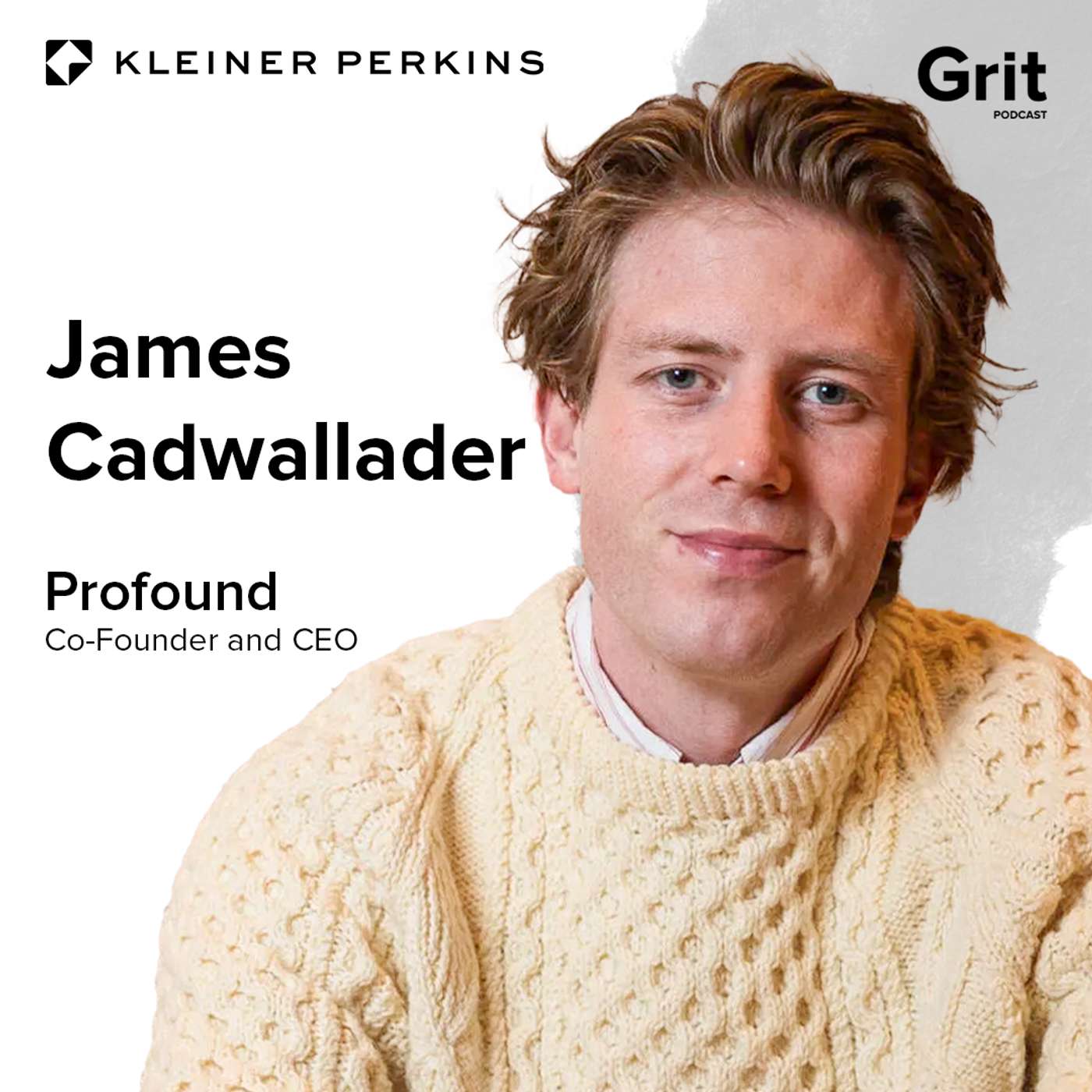
To overcome the bottleneck of hiring top engineers, Profound's founders take ridiculous photos with every new team member and post them on LinkedIn. This unconventional, human-centric tactic acts as an outward celebration that helps them stand out where talent has infinite options.
Sales reps at market leaders often succeed due to brand strength and inbound leads, not individual skill. Instead, recruit talent who proved they could win at the #3 company in a tough market. They possess the grit and creativity needed for an early-stage startup without a playbook.

Instead of relying on traditional recruiting, founder Travis Kalanick went on a "global tour." He hosted happy hours in major cities, invited top local talent, personally pitched the Cloud Kitchens vision for an hour, and then networked, creating a direct pipeline of elite candidates.
To credibly sell to the largest enterprises from day one, Sierra intentionally hired experienced executives. The crucial filter was selecting for "competitive intensity" and high agency, avoiding the political mindset often associated with big-company hires. This allowed them to land massive customers early.

Trilogy's configuration software wasn't as exciting as consumer products. They attracted top engineers by framing the work as tackling the world's hardest, unsolved AI problems. The allure for elite talent was the complexity of the technical challenge, not the surface-level appeal of the product.
Instead of mirroring Google's perk-filled culture, Trilogy designed its recruiting and onboarding to be intensely difficult. This counterintuitively attracted the most ambitious talent who were more motivated by significant challenges and the opportunity to do meaningful work than by comfort and ease.
The founder's number one piece of advice is to 'get on the plane.' In an era of digital communication, physically meeting customers is a powerful differentiator. He was shocked by how many customers said his was the only startup vendor to ever visit their office. This direct, in-person connection provides insights that competitors miss.

Unlike companies where recruiting is a support role, Uber founder Travis Kalanick elevated it to a frontline function, on par with operations. He dedicated an hour each week to the recruiting team, signaling its importance and making the function more effective and motivated.
When starting out, don't try to out-expert established players. Instead, compete on access and personal attention. Acknowledge your small size and frame it as a benefit: clients get direct access to you, the founder, which is something large competitors cannot offer.

Mid-sized companies struggling to compete with industry giants on salary can gain a significant recruiting advantage by offering a four-day workweek. This unique perk allows them to attract "A players" who value time and well-being, changing the terms of the talent competition.
