Get your free personalized podcast brief
We scan new podcasts and send you the top 5 insights daily.
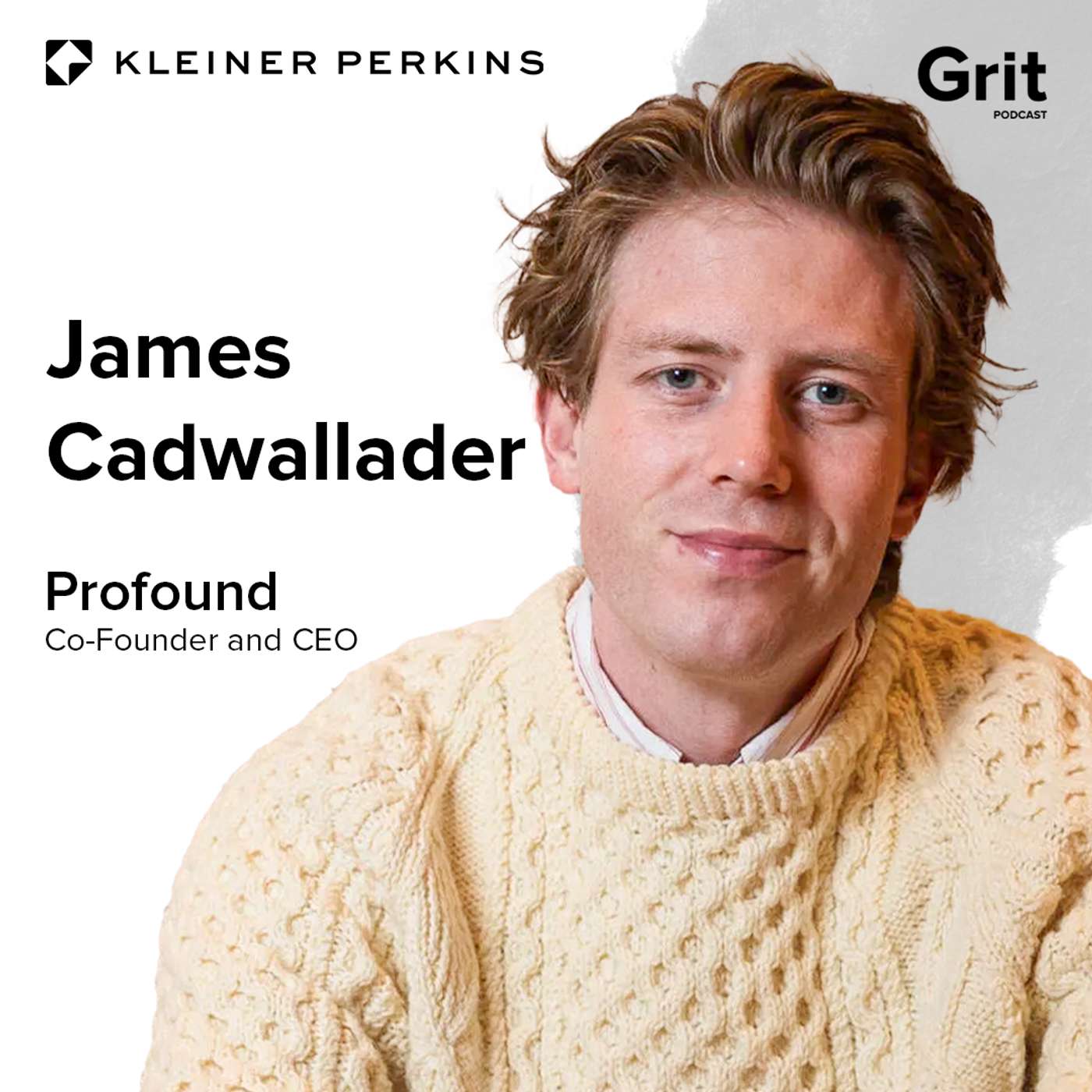
To overcome the bottleneck of hiring top engineers, Profound's founders take ridiculous photos with every new team member and post them on LinkedIn. This unconventional, human-centric tactic acts as an outward celebration that helps them stand out where talent has infinite options.
Related Insights
Like Napoleon, founders can attract top talent by giving them a grand mission, branding teams to create a proud identity (e.g., "the men without fear"), and demonstrating they are in the trenches alongside their people. This builds loyalty far beyond compensation.

To get hired in a competitive market, stop spamming resumes. Instead, consistently create and publish content on platforms like LinkedIn that showcases your expertise, knowledge, and passion for your craft. This demonstrates value and attracts opportunities, making you a magnet for recruiters rather than just another applicant.

Duolingo's leadership actively pushed Zaria Parvez to be the public face of her viral social media work, putting her in major interviews. This culture is a win-win: it builds the employee's personal brand while making the company an attractive destination for top talent who want recognition for their contributions.

When contractors complain they can't find good people, it's often a culture problem, not a talent shortage. A great workplace turns existing employees into recruiters who attract other high-quality talent from their networks, creating a self-sustaining recruitment pipeline.

Marketing leaders can significantly increase recruiting success by personally messaging high-value candidates on LinkedIn. A direct message from a hiring manager like a CMO has a much higher response rate than outreach from a recruiter, signaling the role's importance and providing a direct line to leadership.

Don't default to hiring people who have "done the job before," even at another startup. Unconventional hires from different backgrounds (e.g., archaeologists in customer success) can create unique creativity. The priority should be finding the right fit for your company's specific stage and needs, not just checking an experience box.

Fal successfully engaged developers by creating "GPU rich" and "GPU poor" hats based on a popular industry meme. The "GPU poor" hats were far more popular, demonstrating that authentic, self-aware humor and tapping into community in-jokes is more effective for developer marketing than traditional, polished campaigns.
The TBPN hosts view LinkedIn not as a stuffy professional network, but as a frontier for engaging tech news content. They're actively hiring to understand and optimize for its unique algorithm and culture, seeing it as an "unwashed mass" ripe for education.

To get hired at a coveted company like Bending Spoons, don't just be polite and professional. Go the extra mile with a surprising or creative gesture, like bringing a bottle of liquor to an interview. This makes a memorable impression and shows personality beyond a polished CV.
Instead of recruiting for a job spec, Cursor identifies exceptional individuals and "swarms" them with team attention. If there's mutual interest, a role is created to fit their talents. This talent-first approach, common in pro sports, prioritizes acquiring top-tier people over filling predefined needs.