Get your free personalized podcast brief
We scan new podcasts and send you the top 5 insights daily.
To credibly sell to the largest enterprises from day one, Sierra intentionally hired experienced executives. The crucial filter was selecting for "competitive intensity" and high agency, avoiding the political mindset often associated with big-company hires. This allowed them to land massive customers early.

Related Insights
Sales reps at market leaders often succeed due to brand strength and inbound leads, not individual skill. Instead, recruit talent who proved they could win at the #3 company in a tough market. They possess the grit and creativity needed for an early-stage startup without a playbook.

Investor Stacy Brown-Philpot advises that to win large enterprise deals, an AI startup must create a solution so compelling it beats the customer's internal team vying for the same budget. The goal is to access the core 15% budget pool, not the 1% 'play money' budget.
Hyper-efficient, AI-powered teams with millions in ARR per employee share common operational traits. They avoid junior hires for senior generalists, use paid work trials instead of traditional interviews, employ an 'AI chief of staff' for automation, and operate with almost no meetings.

Hiring executives from large corporations like Google or Microsoft into an early-stage startup almost always fails due to a 'massive impedance mismatch.' Their expectations for established processes clash with the startup's reality. HubSpot experienced a near-100% attrition rate with these types of hires.

To make a hire "weird if they didn't work," don't hire for potential or vibe. Instead, find candidates who have already succeeded in a nearly identical role—selling a similar product to a similar audience at a similar company stage. This drastically reduces performance variables.

While historically a difficult approach, top-down CEO sales is currently highly effective for AI companies. Boards are pressuring CEOs to be "AI forward," which creates immediate budget and a willingness to buy, even before a clear ROI is established. This makes selling to the C-suite a viable go-to-market strategy.

The ideal early startup employee has an extreme bias for action and high agency. They identify problems and execute solutions without needing approvals, and they aren't afraid to fail. This contrasts sharply with candidates from structured environments like consulting, who are often more calculated and risk-averse.

OpenAI is hiring hundreds of "forward deployed engineers" to act as technical consultants. This strategy aims to deeply integrate its AI agents into corporate workflows, creating a powerful services-led moat against rivals by providing custom, hands-on implementation for large clients.
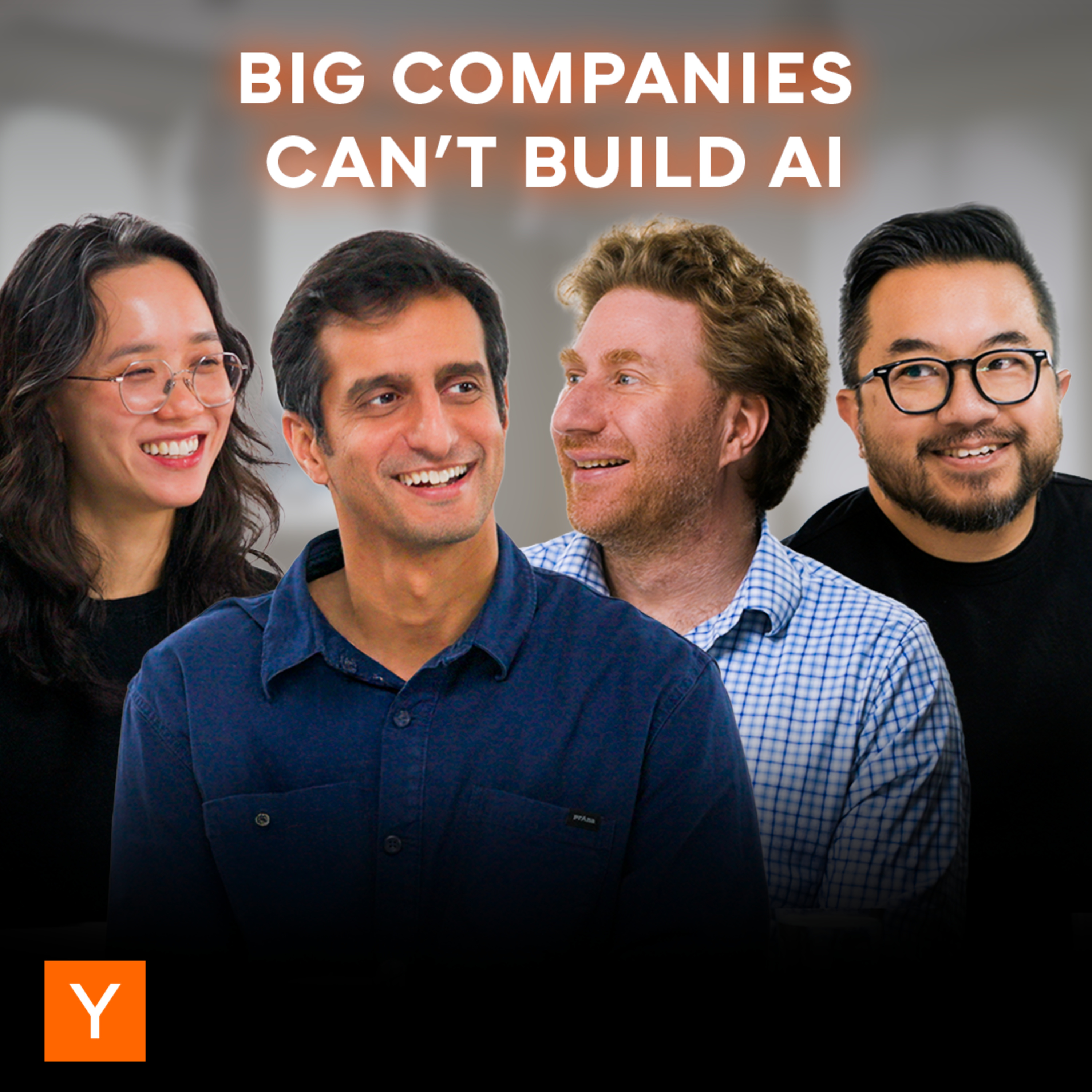
Many engineers at large companies are cynical about AI's hype, hindering internal product development. This forces enterprises to seek external startups that can deliver functional AI solutions, creating an unprecedented opportunity for new ventures to win large customers.
In rapidly evolving fields like AI, pre-existing experience can be a liability. The highest performers often possess high agency, energy, and learning speed, allowing them to adapt without needing to unlearn outdated habits.