Get your free personalized podcast brief
We scan new podcasts and send you the top 5 insights daily.
In the early days, Dollar Shave Club's logistics were far from polished. They printed thousands of shipping labels, stuffed them in trash bags, and threw them over the fence to their fulfillment center. This illustrates the scrappy, unglamorous reality of getting a high-growth startup off the ground before scalable systems exist.

Related Insights
The initial period of struggle and repeated failures, while painful, is what forges a resilient team and a strong, frugal company culture. These early hardships create shared experiences that define the company's DNA for years to come.
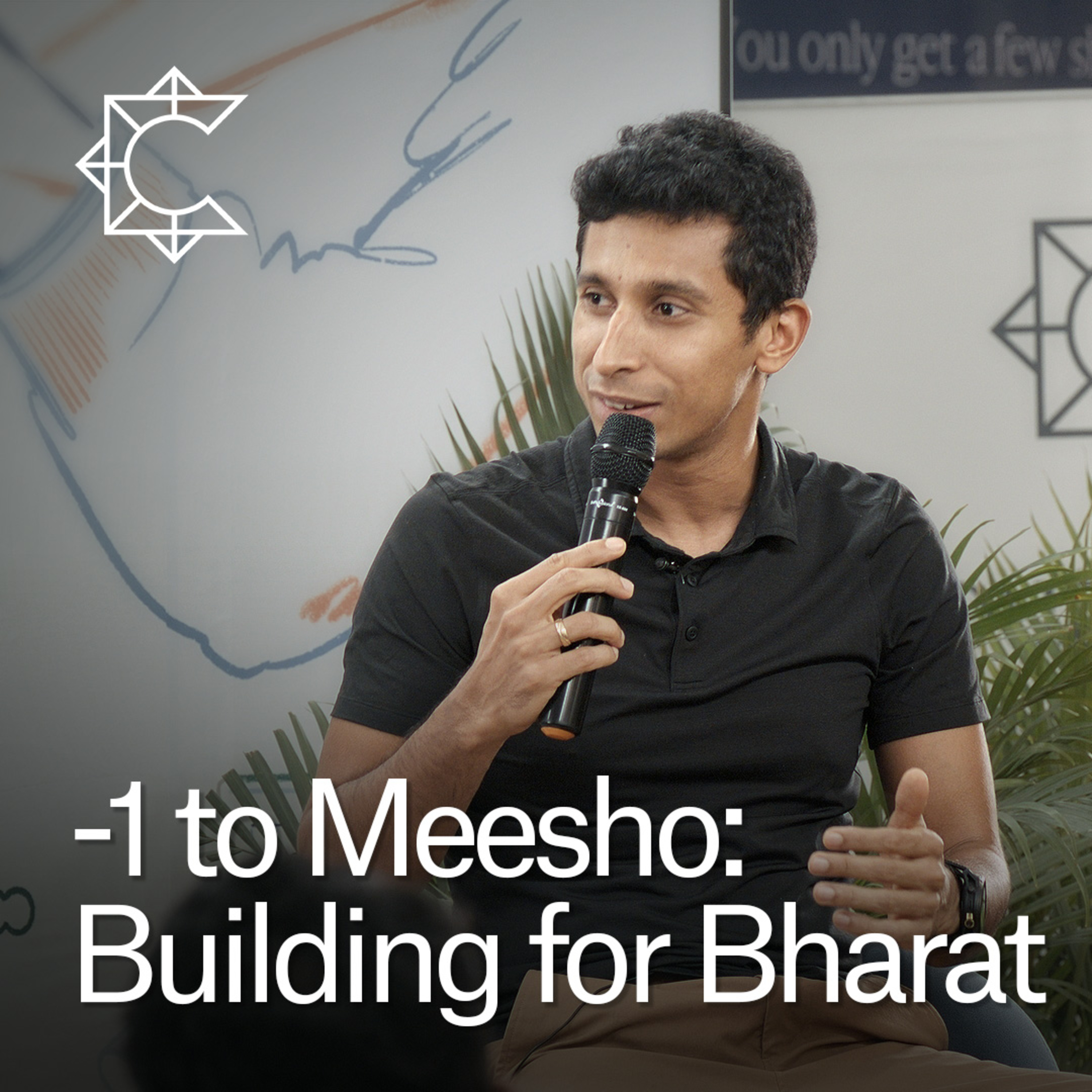
Michael Dubin didn't conduct market research; he found his business opportunity in his personal annoyance with the high cost and inconvenient process of buying razors from a locked case. This shows that powerful business ideas often hide in plain sight as everyday frustrations.
After their launch video went viral and they immediately sold out of razors, Dollar Shave Club kept sales open. They transparently informed new customers of a shipping delay but allowed them to continue placing orders. This captured massive demand that would have otherwise been lost.
In their search for a scalable process, the founders experimented with a completely unconventional method: using a paint sprayer and heat guns to coat almonds with chocolate. While it failed, it demonstrates a crucial, scrappy innovation mindset.
A perfectly clean GTM process at a startup is a red flag indicating over-engineering and a lack of real-world traction. True growth creates chaos and pain points ("dumpster fires"). RevOps should let these constraints emerge naturally before attempting to solve them, avoiding premature optimization.

Founders often start scrappy out of necessity and dream of lavish resources. However, once successful, many realize that small, lean, and scrappy teams are more effective. This creates a paradox where the most successful entrepreneurs intentionally revert to the resource-constrained mindset they once tried to escape.

Faced with a sudden price hike from their first manufacturer, the founders started a manual labor side hustle—fixing washing machines and installing cupboards—to raise the cash needed for their initial product run, demonstrating extreme pre-launch resourcefulness.

To avoid the operational chaos of viral success, Shelter Skin deliberately caps production to match what they can manufacture and ship themselves. This prevents them from overselling and allows for sustainable, bootstrapped growth, even if it means frustrating some customers with temporary stockouts.

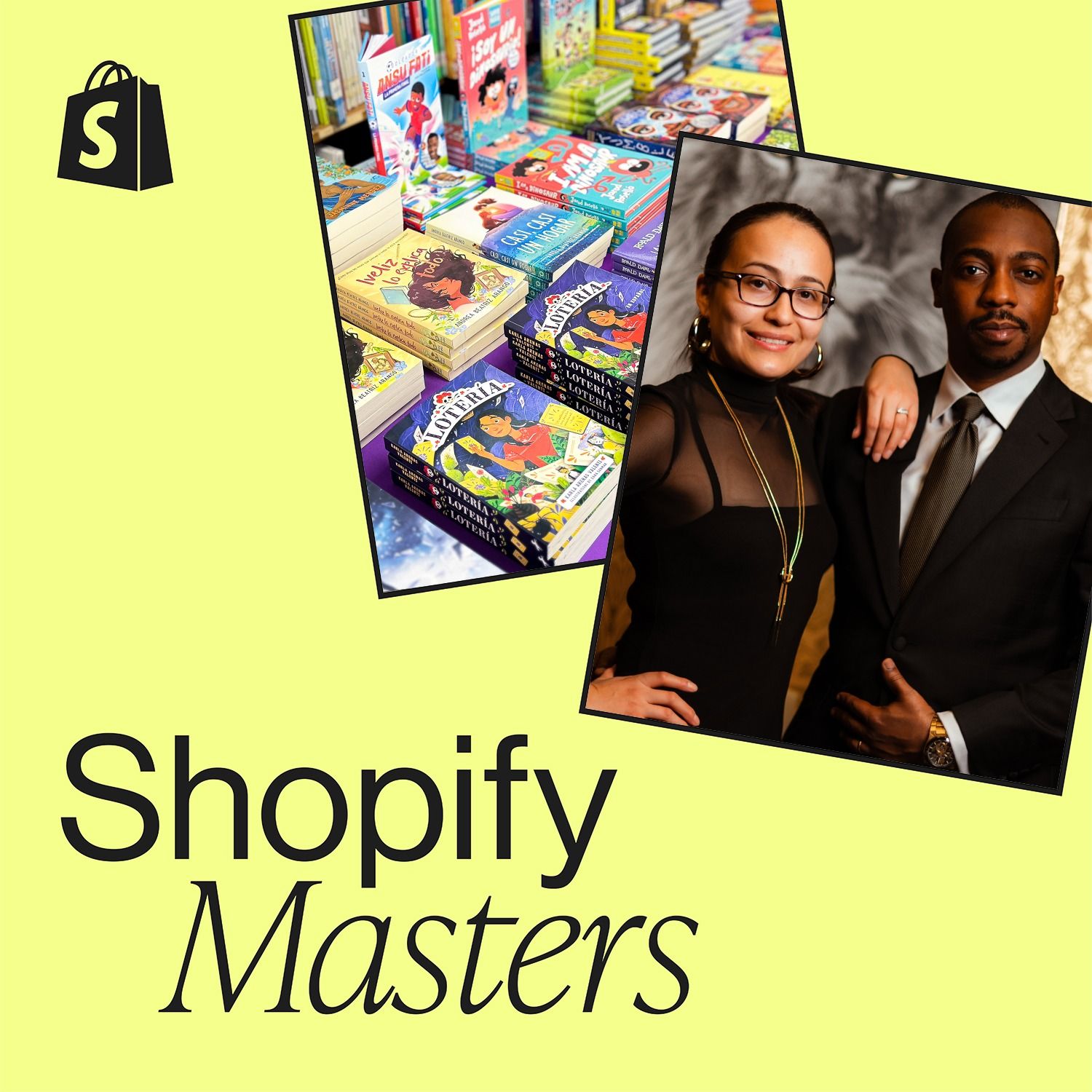
When Miha Books' operations broke—from an overflowing garage to a warehouse too small for their orders—the co-founder celebrated. He views these breaking points not as failures, but as positive indicators of growth. Each 'break' is simply the next problem to solve on the path to scaling the company.
Contrary to the "grow at all costs" mindset, early inefficiencies become permanently embedded in a company's culture. To build a truly scalable business, founders must bake in efficiency from day one, for example by perfecting the sales playbook themselves before hiring a single salesperson to avoid institutionalizing bad habits.
