Get your free personalized podcast brief
We scan new podcasts and send you the top 5 insights daily.
In their search for a scalable process, the founders experimented with a completely unconventional method: using a paint sprayer and heat guns to coat almonds with chocolate. While it failed, it demonstrates a crucial, scrappy innovation mindset.

Related Insights
When the Target buyer asked if they had supply chain issues before offering a chain-wide launch, the founder instantly said 'nope'—despite producing in a 'chicken coop.' This bold move secured the deal, forcing them to rapidly scale.
To perfect their recipe, the founders didn't just experiment randomly. They carefully deconstructed a high-end chocolatier's almond with a knife to understand its unique properties and palate, which informed their own development.
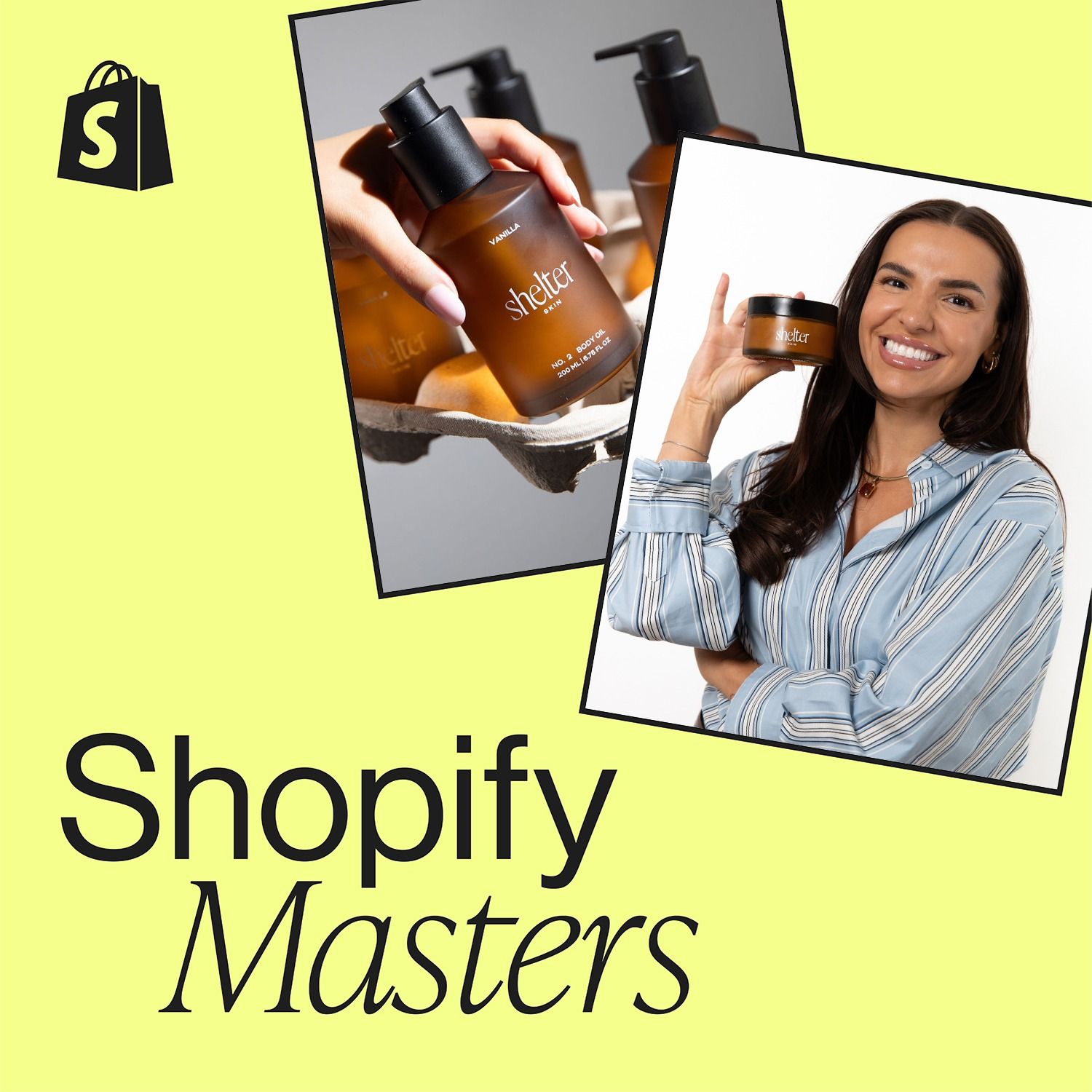
Instead of buying expensive, custom-built lab equipment, Shelter Skin creatively repurposed machinery from the food and beverage industry, like bakery mixers and milk pasteurizers. This resourceful approach enabled them to scale production on a bootstrapped budget, proving ingenuity can replace capital.
Success isn't linear. Mobile gaming giant Supercell didn't start with mobile games, and drone delivery firm ZipLine began with a robotic toy. This shows that foundational failures in one area can be the necessary learning experiences that lead to market-defining success in another.

To boost visibility for their risky chain-wide launch, the founders negotiated for a coveted end cap. Instead of a hefty fee, they offered Target an exclusive peanut butter almond flavor, turning product development into a powerful marketing asset.
Breezy Griffith's early ventures, like selling sorbets and sandwiches at a loss, weren't failures. They were crucial learning experiences that built the foundational skills and resilience needed to launch a successful CPG brand.
The death of a young family friend prompted Breezy Griffith to move home and re-prioritize family. This personal shift, not a market analysis, was the direct catalyst for starting a business with her mother, demonstrating how life events can shape entrepreneurial paths.
When 40,000 lbs of almonds arrived rancid just before their Target launch, the founders' emergency plan was to deploy an 'army' of friends to buy out bulk bins at every local grocery store and Costco to meet the deadline.
Their success isn't from brilliant ideas, but from a massive volume of experiments. By trying dozens of new promotions and social media posts weekly, they accept a high failure rate to learn faster than any competitor. This contrasts with the typical corporate playbook of repeating safe, proven tactics.

Unable to find a co-manufacturer through traditional means, co-founder Breezy Griffith scoured esoteric chocolate blogs, found a chocolatier's comment, reverse-engineered their screen name to find a phone number, and cold-called them at home.