Get your free personalized podcast brief
We scan new podcasts and send you the top 5 insights daily.
Stripe is reportedly considering an acquisition of PayPal, which is trading down 85% from its peak despite strong cash flow and a massive user base. Such a deal would unite two payments behemoths, creating a powerful entity but also raising immediate and significant antitrust questions from regulators.

Related Insights
The current era of exploitative digital platforms was made possible by a multi-decade failure to enforce antitrust laws. This policy shift allowed companies to buy rivals (e.g., Facebook buying Instagram) and engage in predatory pricing (e.g., Uber), creating the monopolies that can now extract value without competitive consequence.

Anticipating years of antitrust scrutiny for any major acquisition, tech giants are now opting for massive, multi-billion dollar IP licensing deals. This structure allows them to acquire talent and technology almost instantly, bypassing regulatory roadblocks that kill traditional M&A.
Recent antitrust lawsuits against Meta and Google resulted in minimal consequences ("nothing burgers"), signaling a more permissive regulatory environment. Combined with anticipated economic stimulus, this creates ideal conditions for a wave of large-scale M&A ($25B-$250B) among major tech companies in the coming year.

As traditional economic-based antitrust enforcement weakens, a new gatekeeper for M&A has emerged: political cronyism. A deal's approval may now hinge less on market concentration analysis and more on a political leader’s personal sentiment towards the acquiring CEO, fundamentally changing the risk calculus for corporate strategists.

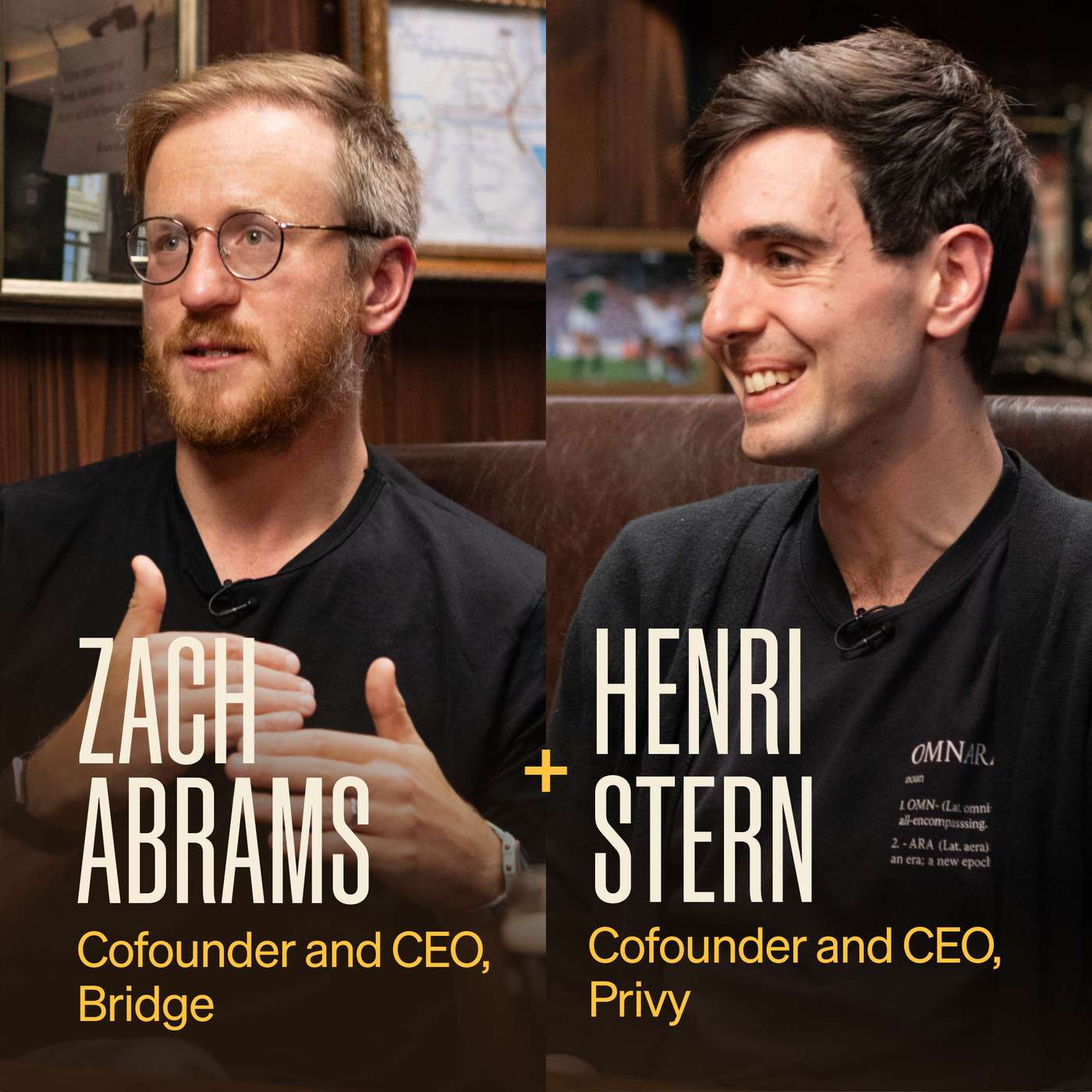
Stripe's acquisitions of Bridge and Privy follow the Google playbook (e.g., YouTube, Android) rather than the Oracle model. The goal is not to absorb a mature product but to acquire a high-potential team and technology to build a new, strategic business pillar from an early stage.
While many investors hunt for pure monopolies, most tech markets naturally support a handful of large players in an oligopoly structure. Markets like payments (Stripe, Adyen, PayPal) demonstrate that multiple large, successful companies can coexist, a crucial distinction for market analysis and investment strategy.

Despite $33B in revenue, PayPal's valuation has collapsed. Its failure to announce strategic deals in trending areas like AI or stock trading—the so-called "press release economy"—projects an image of stagnation, making it seem like a legacy player unable to compete with modern fintech rivals.

Mark Zuckerberg's primary innovation strategy has been acquiring and cloning, as seen with Instagram and WhatsApp. In a heightened regulatory environment where large acquisitions are blocked, his core playbook is neutralized, forcing him into the less proven territory of zero-to-one product development—a significant strategic challenge for Meta.

Meta's victory over the FTC's antitrust challenge is not just a legal footnote; it signals the end of a highly restrictive regulatory era. This will likely trigger a massive wave of M&A, as large tech companies are now emboldened to acquire stagnant, late-stage private "unicorns" that have been stuck without an exit path.

The FTC's failure to prove Meta held a monopoly set a powerful legal precedent, signaling that regulators face a high burden of proof. This has effectively given a green light to large-scale acquisitions, kicking off a "golden age of M&A" as companies feel emboldened to pursue mega-deals without fear of being blocked.
