Get your free personalized podcast brief
We scan new podcasts and send you the top 5 insights daily.
Anticipating years of antitrust scrutiny for any major acquisition, tech giants are now opting for massive, multi-billion dollar IP licensing deals. This structure allows them to acquire talent and technology almost instantly, bypassing regulatory roadblocks that kill traditional M&A.
Related Insights
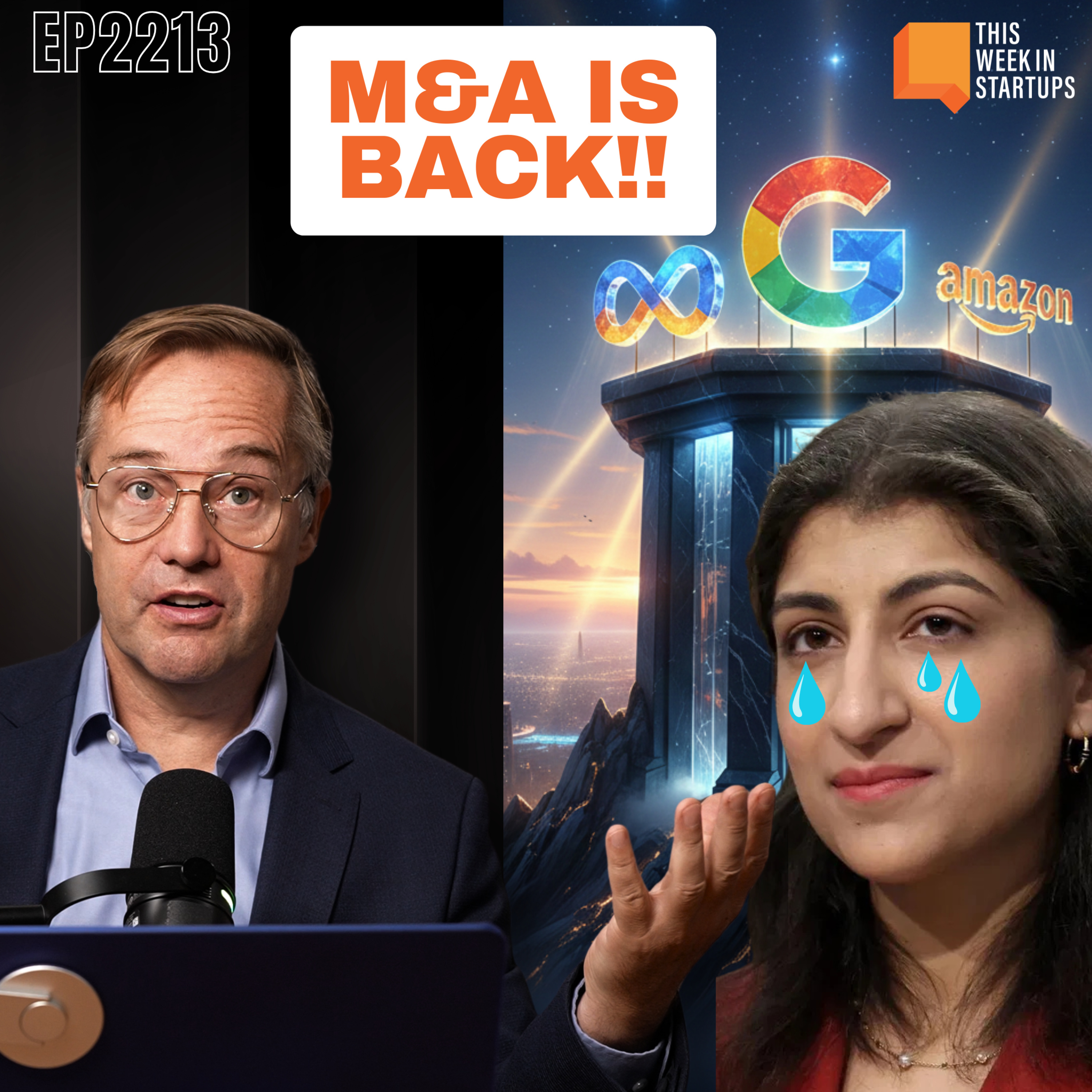
Recent antitrust lawsuits against Meta and Google resulted in minimal consequences ("nothing burgers"), signaling a more permissive regulatory environment. Combined with anticipated economic stimulus, this creates ideal conditions for a wave of large-scale M&A ($25B-$250B) among major tech companies in the coming year.
Nvidia paid $20 billion for a non-exclusive license from chip startup Groq. This massive price for a non-acquisition signals Nvidia perceived Groq's inference-specialized chip as a significant future competitor in the post-training AI market. The deal neutralizes a threat while absorbing key technology and talent for the next industry battleground.

The era of scaling through low-ACV, product-led growth is fading. Today's rapid growth stories, especially in the capital-intensive AI space, are driven by massive, founder-led strategic deals for infrastructure and partnerships, reminiscent of the pre-dot-com internet era.

NVIDIA's deal with chip startup Grok, which includes hiring 90% of its staff and a massive valuation payout, is structured as a licensing agreement. This is a transparent maneuver to function as an acquihire and neutralize a competitor while avoiding the intense antitrust scrutiny a direct acquisition would trigger.

Nvidia's non-traditional $20 billion deal with chip startup Groq is structured to acquire key talent and IP for AI inference (running models) without regulatory hurdles. This move aims to solidify Nvidia's market dominance beyond chip training.

Instead of exclusive, all-encompassing deals, media conglomerates like Disney should strategically license separate parts of their IP portfolio (e.g., Pixar to Google, Marvel to Anthropic). This creates a competitive market among LLM providers, driving up the value of the IP and maximizing licensing revenue.

Meta's victory over the FTC's antitrust challenge is not just a legal footnote; it signals the end of a highly restrictive regulatory era. This will likely trigger a massive wave of M&A, as large tech companies are now emboldened to acquire stagnant, late-stage private "unicorns" that have been stuck without an exit path.
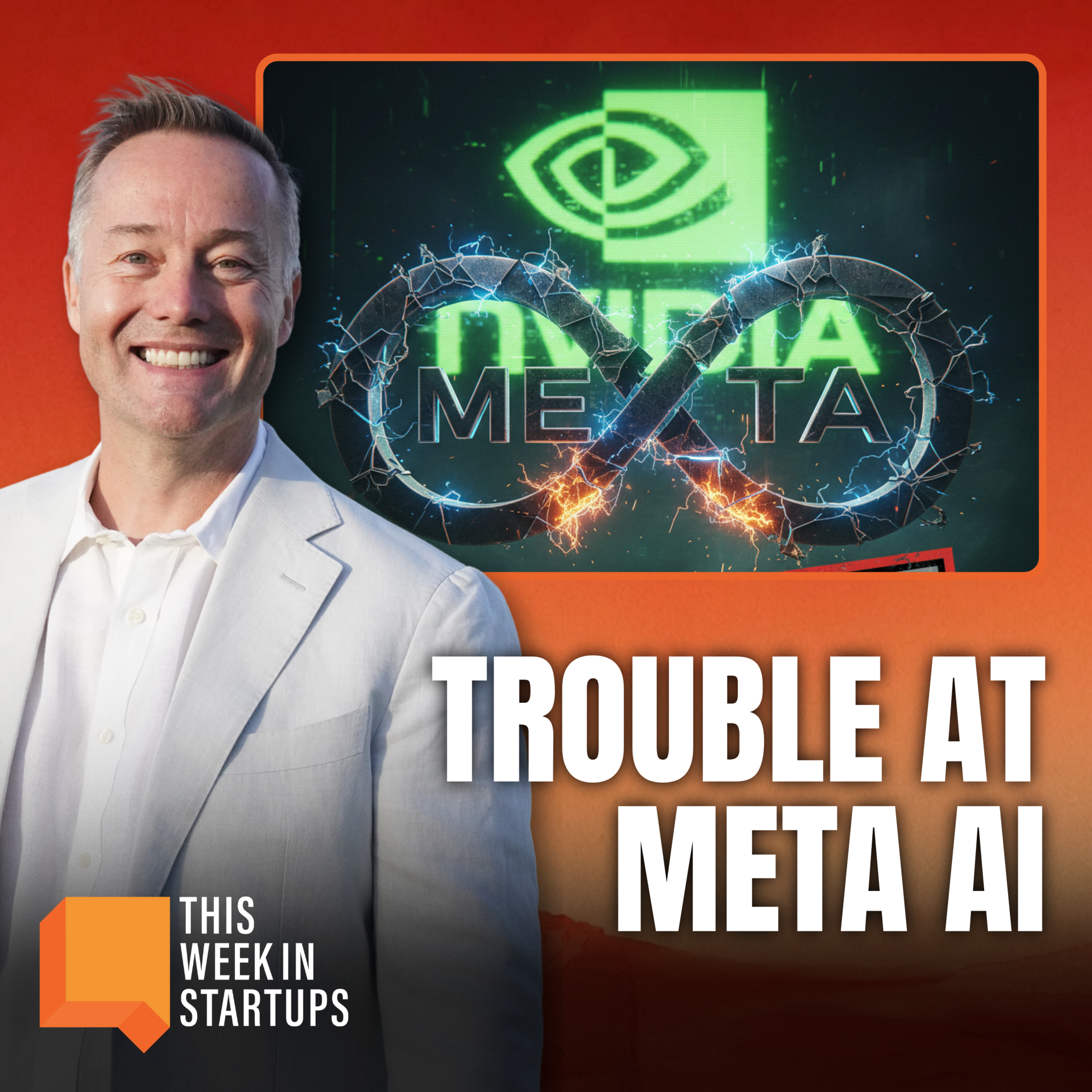
NVIDIA's $20B licensing deal for Grok's technology represents a new M&A playbook. These deals allow rapid acquisition of talent and IP without the lengthy regulatory scrutiny from agencies like the FTC that traditional mergers face, though they may have less favorable tax implications like ordinary income.
The FTC's failure to prove Meta held a monopoly set a powerful legal precedent, signaling that regulators face a high burden of proof. This has effectively given a green light to large-scale acquisitions, kicking off a "golden age of M&A" as companies feel emboldened to pursue mega-deals without fear of being blocked.

Disney is licensing its IP to OpenAI, avoiding the "Napster trap" where music labels sued file-sharing services into bankruptcy but lost control of the streaming market. By partnering, Disney shapes the use of its IP in AI and benefits financially, rather than fighting a losing legal battle against technology's advance.
