Get your free personalized podcast brief
We scan new podcasts and send you the top 5 insights daily.
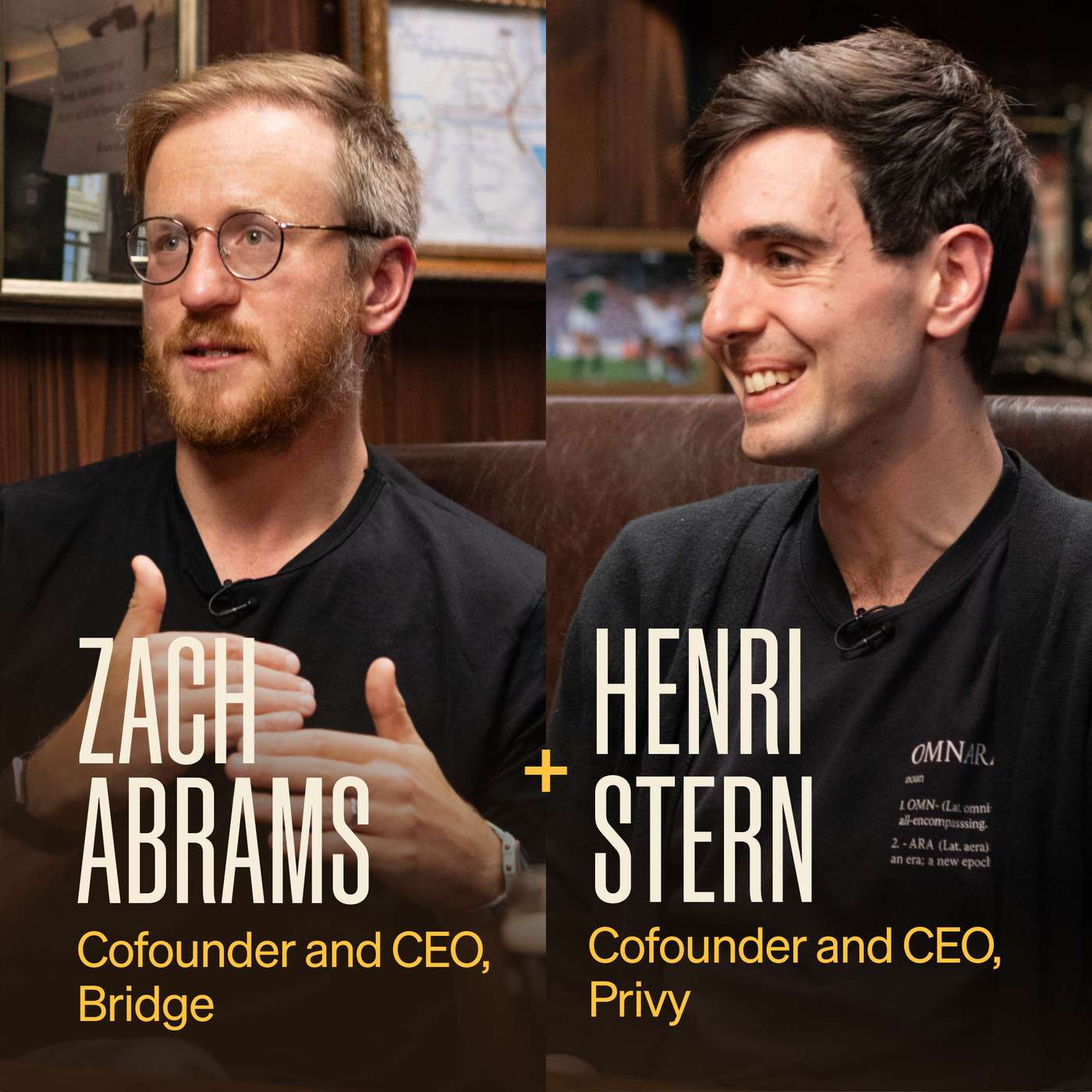
Stripe's acquisitions of Bridge and Privy follow the Google playbook (e.g., YouTube, Android) rather than the Oracle model. The goal is not to absorb a mature product but to acquire a high-potential team and technology to build a new, strategic business pillar from an early stage.
Related Insights
When building infrastructure for a nascent technology like AI agents, your core customers may not exist yet. This strategy, similar to Stripe's early days, involves betting on the future growth of an entire ecosystem. You are selling to the customers of tomorrow by building the foundational tools they will inevitably need.

Clarify M&A strategy with the "Four T’s": Talent (acqui-hires), Tech (IP acceleration), Traction (customers/revenue), and Terrain (long-term bets). Each has different diligence needs and success metrics, and companies should build M&A muscle by mastering them in that order.

Unlike standard corporate M&A, an innovation incubator's acquisition criteria are different. Cisco's Outshift ignores a startup's revenue and business metrics, focusing solely on the technology, talent, and cultural fit to accelerate its own strategic objectives.

The success of an AI roll-up hinges on effective technology implementation. Therefore, the primary filter for acquiring a company is not just its financials but whether its leadership and culture are genuinely eager to adopt AI and transform their operations. This cultural fit is non-negotiable.

Palo Alto Networks' M&A playbook defies convention. Instead of integrating an acquisition under existing managers, they often replace their own internal team with the acquired leaders. The logic is that the acquired team won in the market with fewer resources, making them better equipped to lead that strategy forward.

The last decade of crypto focused on moving assets like Bitcoin on-chain. The next, more significant mega-trend will be the migration of entire companies and their real-world revenue streams onto blockchains, involving both crypto-native firms and traditional giants like BlackRock and Stripe.

OpenAI's partnership with Stripe to enable in-app purchases transforms ChatGPT from an information tool into a transactional platform. This creates a frictionless sales channel for e-commerce brands, directly challenging Google's established search-to-purchase business model.

Unlike networks such as Visa that strive for neutrality, Stripe's launch of its own blockchain, Tempo, is an opinionated play. This forces other payment service providers into a dilemma: using Tempo means actively helping their biggest competitor, Stripe, build a moat and capture more of the value chain.
When acquiring a business, don't rely on a single outcome like achieving a growth target. Instead, seek assets that offer multiple ways to win. Even if the primary goal is missed, the acquired data, technology, or talent could create significant value for other business units, providing built-in insurance for the deal.
![Ric Elias - The Art of Living Well - [Invest Like The Best, CLASSICS] thumbnail](https://megaphone.imgix.net/podcasts/c8d024f8-df4f-11f0-840d-5ff663ee0c32/image/078ac81caab6c002687a18b68c841394.jpg?ixlib=rails-4.3.1&max-w=3000&max-h=3000&fit=crop&auto=format,compress)
In high-growth phases, M&A should accelerate product development, not find new growth engines. Start with small team/IP acquisitions to build the internal capacity for integration. This de-risks larger, more strategic deals later as the company matures and its organic growth slows.