Get your free personalized podcast brief
We scan new podcasts and send you the top 5 insights daily.
Nextdoor's original stock ticker, KIND, was intended to reflect its collaborative mission. However, it attracted cynicism and became a distraction. The company changed it to NXDR to refocus external attention on product improvement and execution during a critical transformation period.

Related Insights
Don't rebrand for the sake of it. A successful rebrand should be a deliberate move to signal a fundamental shift in your business, such as an expansion, a new mission, or a deeper commitment to core values like sustainability. It's an external reflection of an internal change.

Meta's rebrand from Facebook, much like Google's to Alphabet, was not just a name change. It was a strategic move to signal to both employees and the market that the company's ambitions extend beyond its original core product, creating the space and permission to build entirely new business lines.

A successful rebrand doesn't create a new personality; it amplifies the company's true, existing identity. Just as money magnifies a person's character, a strong brand makes a company's core values—like community involvement—bigger, louder, and more public, forcing them to be more intentional.

The community's initial brand fully embraced a literal superhero theme with capes and pop-art graphics. They later realized this was a mistake, as it was "too superhero" and distracted from the core message of celebrating the everyday heroics of comms professionals.

The campaign's simple 'keep thinking' message subtly reframes Anthropic's AI as a human-augmenting tool. This marks a significant departure from the company's public reputation for focusing on existential AI risk, suggesting a deliberate effort to build a more consumer-friendly and less threatening brand.
The industry term 'performance marketing' causes strategic confusion. Calling it 'performance sales' more accurately reflects its function—driving immediate transactions, not building long-term brand equity. This simple change helps align teams and clarify objectives for both marketers and executives.

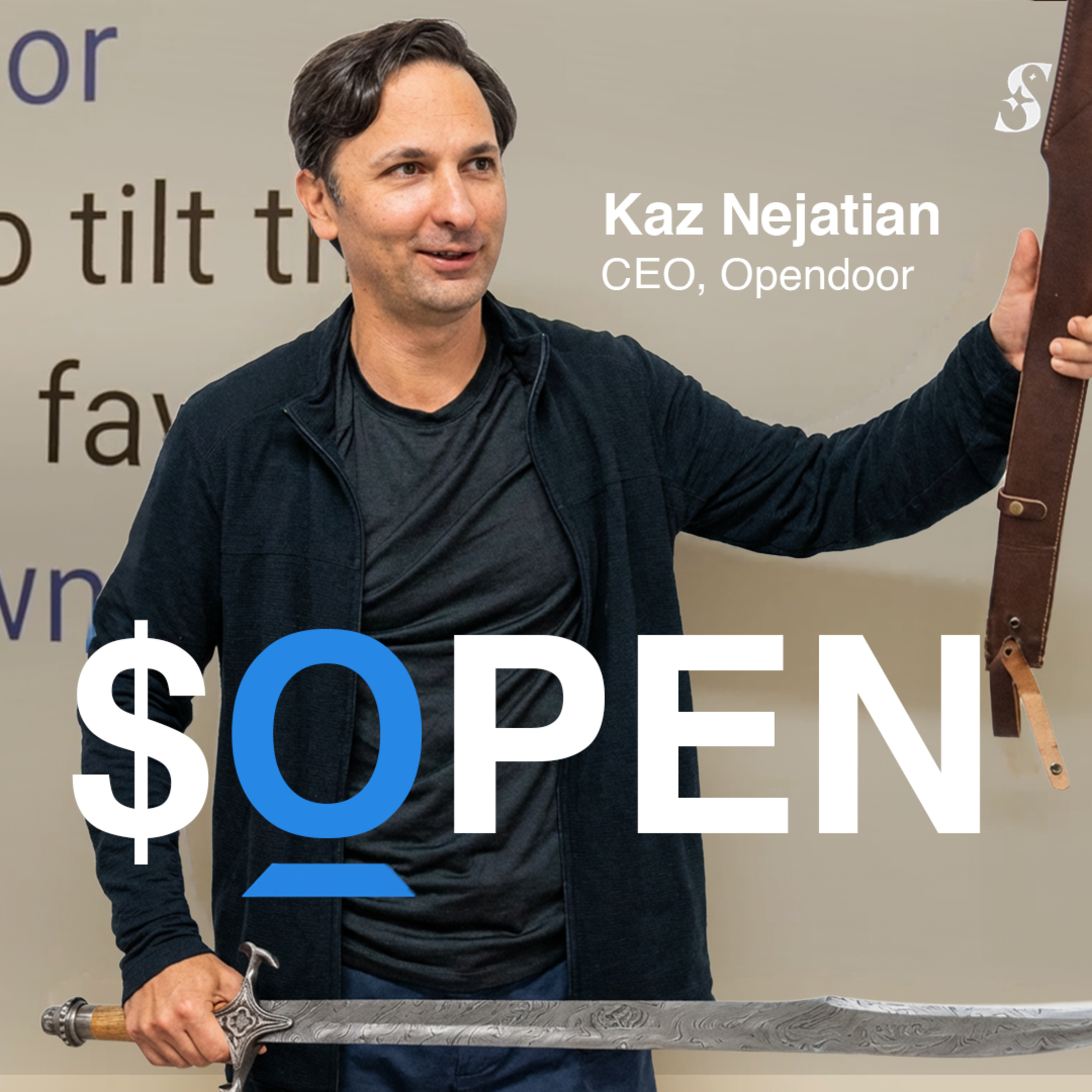
Opendoor's CEO believes the stock ticker is a distraction, like a football player staring at the scoreboard. The stock price is a lagging indicator of company performance. By focusing exclusively on building a great company, the score will eventually take care of itself.
While starting in a niche is smart, a hyper-specific name like 'SakeDomist' signals a small vision to investors and can hinder pivots to larger markets. A broader name allows for a bigger narrative and Total Addressable Market (TAM).

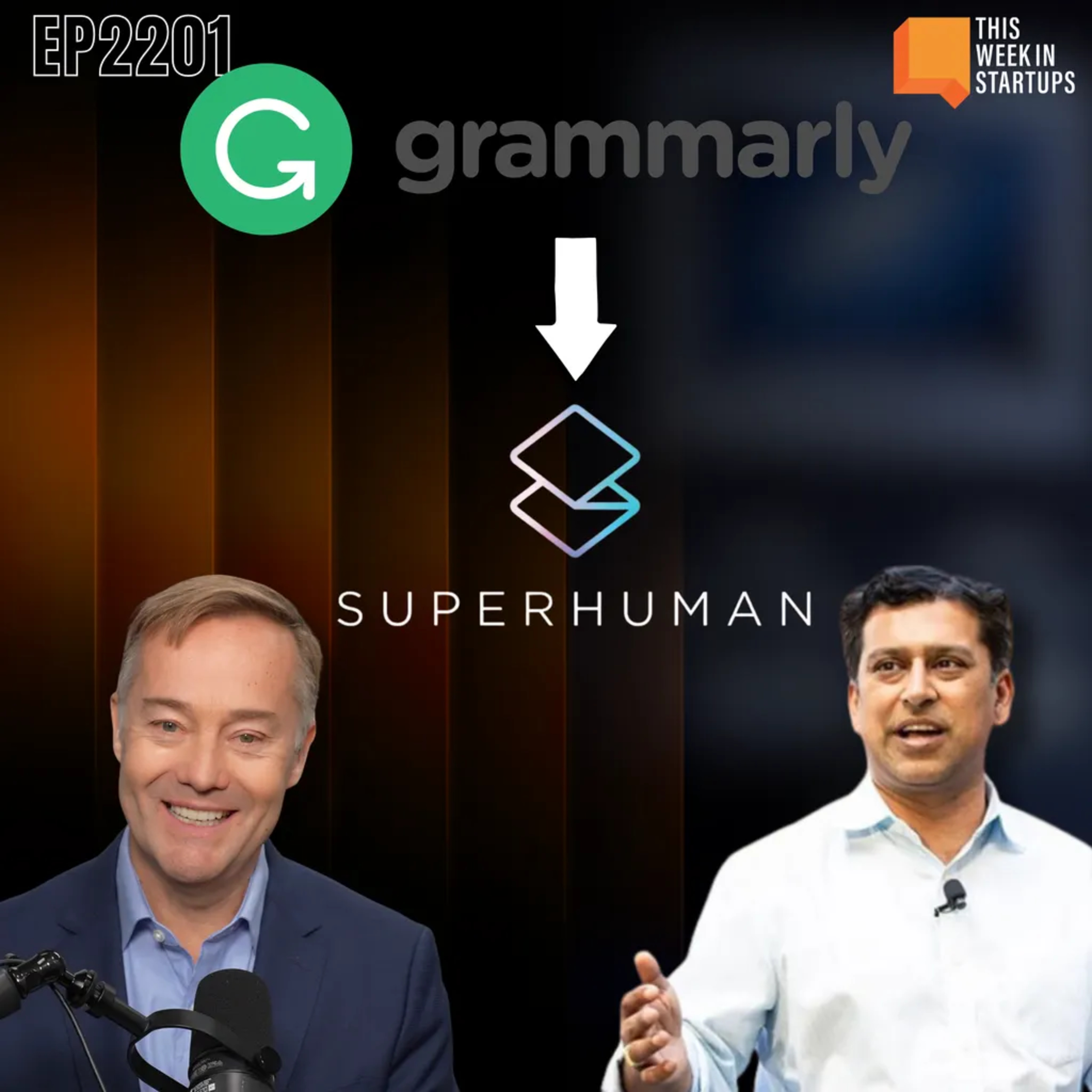
Grammarly's rebrand to Superhuman represents a strategic shift from a single-feature product to an ambitious platform. Elevating the "Superhuman" sub-brand to the parent signals a broader mission of empowering human potential across various tasks, not just correcting grammar. The key is focusing on "human" empowerment.
The name "Claude Code" was a significant barrier for non-technical users, suggesting a developer-only tool. The creation of "Cowork" is a direct response to user behavior showing its broader utility, repackaging the same core functionality with a more accessible name and interface for a wider audience.
