Get your free personalized podcast brief
We scan new podcasts and send you the top 5 insights daily.
The campaign's simple 'keep thinking' message subtly reframes Anthropic's AI as a human-augmenting tool. This marks a significant departure from the company's public reputation for focusing on existential AI risk, suggesting a deliberate effort to build a more consumer-friendly and less threatening brand.

Related Insights
A copywriter initially feared AI would replace her. She then realized she could train AI agents to ensure brand consistency in all company communications—from sales to support. This transformed her role from a single contributor into a scaled brand governor with far greater impact.

As consumers become wary of "AI," the winning strategy is integrating advanced capabilities into existing products seamlessly, like Google is doing with Gemini. The "AI" branding used for fundraising and recruiting will fade from consumer-facing marketing, making the technology feel like a natural product evolution.

Instead of viewing AI as a tool for robotic efficiency, brands should leverage it to foster deeper, more human 'I-thou' relationships. This requires a shift from 'calculative' thinking about logistics and profits to 'contemplative' thinking about how AI impacts human relationships, time, and society.

Anthropic faces a critical dilemma. Its reputation for safety attracts lucrative enterprise clients, but this very stance risks being labeled "woke" by the Trump administration, which has banned such AI in government contracts. This forces the company to walk a fine line between its brand identity and political reality.
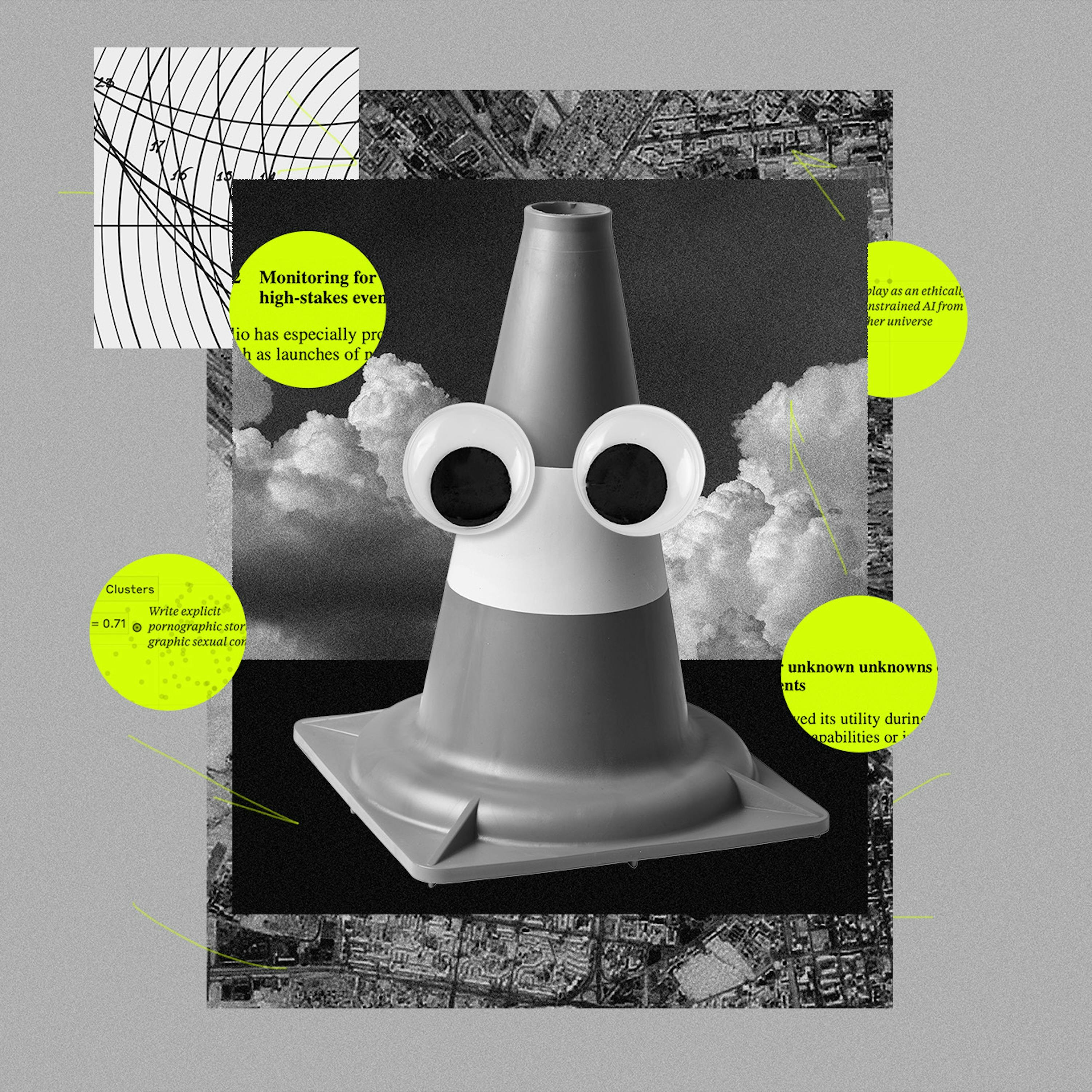
Unlike AI companies targeting the consumer market, Anthropic's success with enterprise-focused products like "Claude Code" could shield it from the intense political scrutiny that plagued social media platforms. By selling to businesses, it avoids the unpredictable dynamics of the consumer internet and direct engagement with hot-button social issues.
While AI offers efficiency gains, its true marketing potential is as a collaborative partner. This "designed intelligence" approach uses AI for scale and data processing, freeing humans for creativity, connection, and building empathetic customer experiences, thus amplifying human imagination rather than just automating tasks.
Anthropic's commitment to AI safety, exemplified by its Societal Impacts team, isn't just about ethics. It's a calculated business move to attract high-value enterprise, government, and academic clients who prioritize responsibility and predictability over potentially reckless technology.
Unlike other tech rollouts, the AI industry's public narrative has been dominated by vague warnings of disruption rather than clear, tangible benefits for the average person. This communication failure is a key driver of widespread anxiety and opposition.
Brands will need a bifurcated approach for marketing. One strategy will focus on creating authentic content for human connection, while a separate, distinct strategy must structure information to be effectively parsed and prioritized by the AI agents that increasingly intermediate the customer journey.
The term "Artificial Intelligence" implies a replacement for human intellect. Author Alistair Frost suggests using "Augmented Intelligence" instead. This reframes AI as a tool that enhances, rather than replaces, human capabilities. This perspective reduces fear and encourages practical, collaborative use.
