Get your free personalized podcast brief
We scan new podcasts and send you the top 5 insights daily.
Feeling like you don't fully belong to any single group—be it cultural or professional—can be an advantage. It allows you to operate in a "gray area," designing your own unique identity and synthesizing strengths from different worlds without being constrained by any one of them.

Related Insights
The foundation of belonging is not being part of a group, but having the courage to belong to yourself above all else. This self-acceptance allows you to belong everywhere because you never betray your own values to fit in.
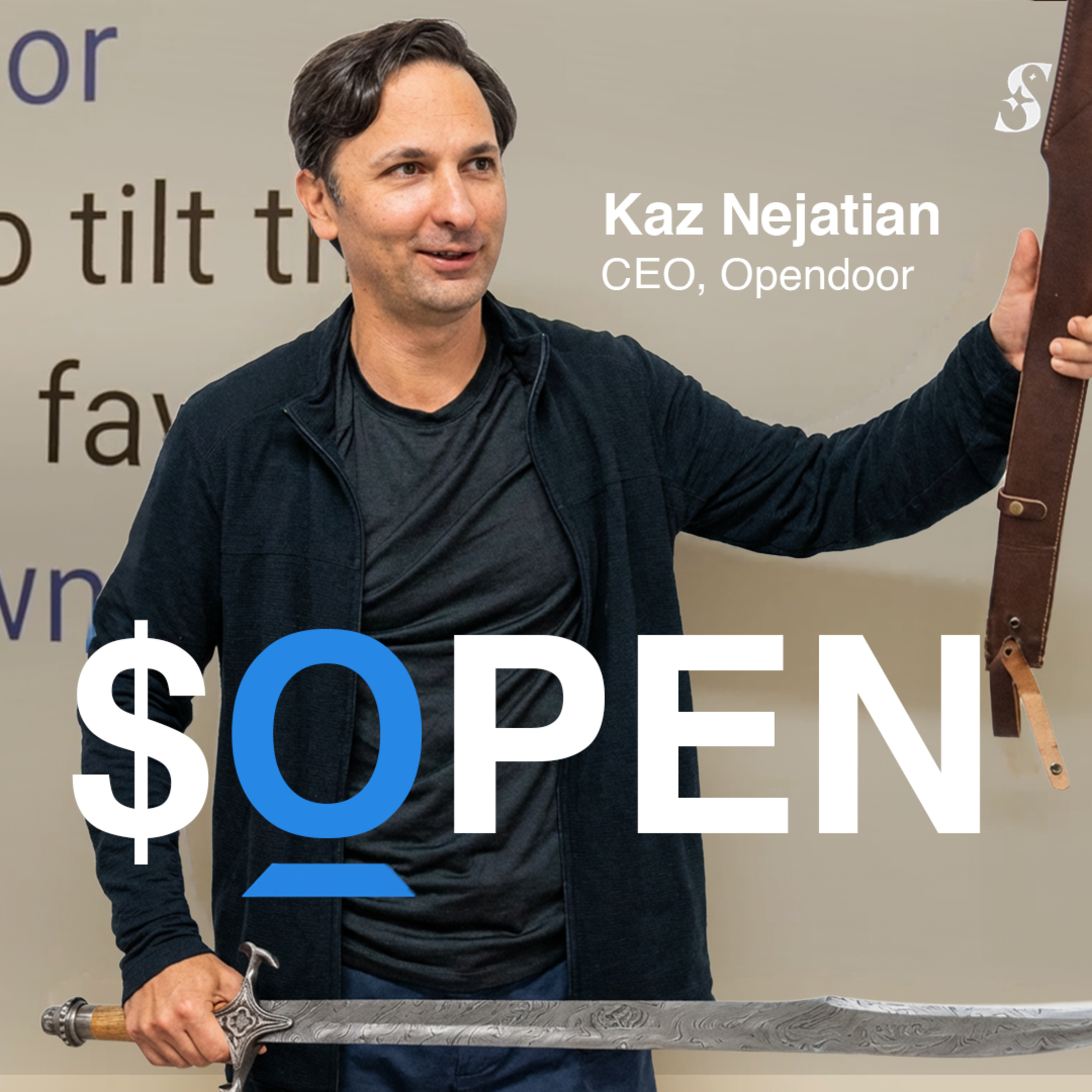
Rather than trying to become a well-rounded, traditional leader, Opendoor's CEO focuses on sharpening his unique "edges." He then surrounds himself with people who are "edgy" in complementary ways, creating a balanced team of focused experts rather than a bland group of generalists.
Success isn't about conforming but about identifying and leveraging what makes you unique. This requires the developed skill of introspection—tuning out distractions to understand your passions and aversions. This self-awareness is the foundation for building a fulfilling life and career.

An executive who moved from Chicago to Tokyo felt like an imposter and considered changing his leadership style. The best advice he received was the opposite: lean in *more* to who you are. Authenticity is a universal language that transcends cultural and professional barriers.

Zach Buchwald, an English major and gay man in finance, views his 'outsider' status as a professional advantage. This perspective allows him to question assumptions and analyze situations from a different angle, which he believes is crucial for innovation and avoiding industry groupthink.

Society instinctively criticizes people who defy their established labels, like a CEO who DJs or a celebrity passionate about prison reform. True freedom requires the 'courage to be disliked'—the willingness to pursue authentic interests even if they seem inconsistent or confusing to others.

Successful leaders often question conventions and consider that "everyone else might be wrong." Arbitrarily doing the opposite of established industry practices can unlock new ways of working and create a unique edge for your team.

While having a clear, formulaic professional identity (e.g., 'the B2B SaaS investor') helps with fundraising, being interesting and unlabelable attracts more serendipitous and potentially groundbreaking opportunities. People with diverse passions create a magnet for other interesting people and ideas.
To evolve, you must engage with ideas outside your comfort zone. This exposure can broaden your perspective so much that you no longer fit in with your original group. While this "losing your citizenship" is daunting, it's a necessary cost for achieving a richer human experience and avoiding stagnation.

Coach's CMO, hired at Louis Vuitton without luxury experience, used her anthropology background to her advantage. Being an outsider allowed her to question industry norms and see the customer experience with fresh eyes, turning a potential disadvantage into her "superpower."