Get your free personalized podcast brief
We scan new podcasts and send you the top 5 insights daily.
The speeches by Canadian PM Mark Carney and Donald Trump highlighted a stark leadership contrast. Carney's address on the "rupture" in world order was praised as forceful yet dignified, while Trump's was seen as rambling, offensive, and alienating to European allies.

Related Insights
Trump's erratic approach isn't random; it's a strategy to create chaos and uncertainty. This keeps adversaries off-balance, allowing him to exploit openings that emerge, much like a disruptive CEO. He is comfortable with instability and uses it as a tool for negotiation and advantage.

The atmosphere at the World Economic Forum has transformed over two decades. The dot-com era's optimism, focused on cooperation and consumerism, has been replaced by a tense environment dominated by AI discourse and a coercive, chaotic American brand.
The Greenland diplomatic row taught European leaders that their previous strategy of delicate diplomacy was ineffective with the Trump administration. By presenting credible retaliatory threats, they discovered they could achieve their objectives, signaling a major shift in transatlantic diplomatic strategy.
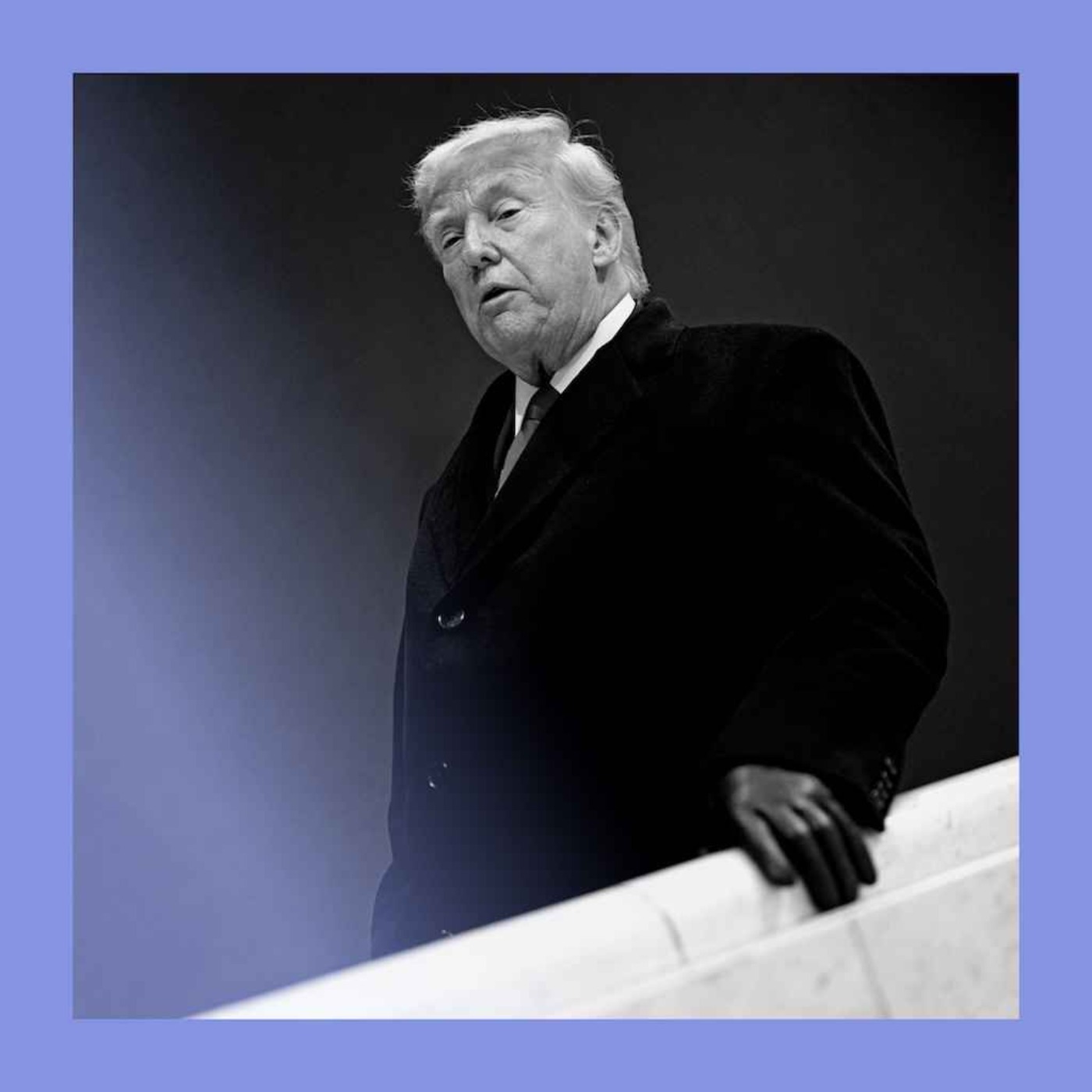
Much of the public conflict between powerful leaders isn't about substantive policy differences but about ego. The desire to avoid looking weak or like they are capitulating leads to political theater that prevents rational cooperation, even when both sides know the eventual outcome is inevitable.

The World Economic Forum, once a bastion of thoughtful globalism, is shifting. Its attendees are becoming more aligned with Trump's transactional, oil-focused worldview, prioritizing personal prosperity and "getting in on the hustle" over upholding international law.
The annual Davos gathering, a long-standing symbol of global cooperation, now confronts its own potential obsolescence. The rise of populist and nationalist movements worldwide directly challenges the forum's core principle of globalism, forcing it to adapt or risk becoming an irrelevant relic.

Leaders like France's Jordan Bardella are strategically cautious about publicly embracing Donald Trump. Despite ideological similarities and support from Trump's camp, Trump's deep unpopularity in Europe makes any open association a political liability for populists seeking mainstream appeal.

Mark Carney, former head of the Bank of England and a symbol of globalism, announced at Davos that the old world order is dead. He stated a return to power politics and sovereignty is the new reality, marking a significant shift in elite consensus.

At elite gatherings like Davos, perceived political power is physically manifested. California Governor Gavin Newsom's presence was described as having a literal "light shining on" him, with an entourage and commanding physical stature that made others instinctively see him as the next president.
The Trump administration's approach at Davos is characterized as strategically "stupid"—a policy of hurting both allies and the US simultaneously. This is contrasted with intelligent action (mutual benefit) or banditry (self-benefit at others' expense).