Get your free personalized podcast brief
We scan new podcasts and send you the top 5 insights daily.
Ignoring or invalidating the growing perception of anti-white bias will not make it disappear. Instead, this dismissal fosters deep resentment, creating fertile ground for extreme populist leaders who capitalize on this anger to gain political power.

Related Insights
In populist eras, political discourse shifts from logic to emotion. People align with tribes, dehumanize opponents, and make decisions based on what feels right for their group. This makes rational, unifying solutions nearly impossible as the focus is on winning for one's team.

The rise of populism is better understood as a resurgence of humanity's innate "groupish" and tribal instincts. This regression is amplified by a modern cocktail of social media, rapid migration, and weakening political institutions, making it a deeper cultural and psychological phenomenon than just an economic one.

The appeal of a populist leader lies in their rejection of traditional political norms. When the electorate feels betrayed by the established "political class," they gravitate toward figures whose rhetoric is a deliberate and stark contrast, signaling they are an outsider.

When a demographic feels perpetually attacked for an unchangeable trait, they are psychologically primed to unify around that identity. This dynamic explains the rise of controversial figures who capitalize on that reactive sentiment, becoming a predictable societal counter-reaction.

Populist figures don't create societal problems; they rise to power because existing economic and social issues create an environment where their message resonates. To solve the problem, you must address the underlying conditions, not just the leader who represents them.

When society organizes itself along tribal or identity lines, it is a mathematical certainty that all groups, including the majority, will eventually adopt that framework. The only solution to one form of identity politics is to eliminate all forms of it.
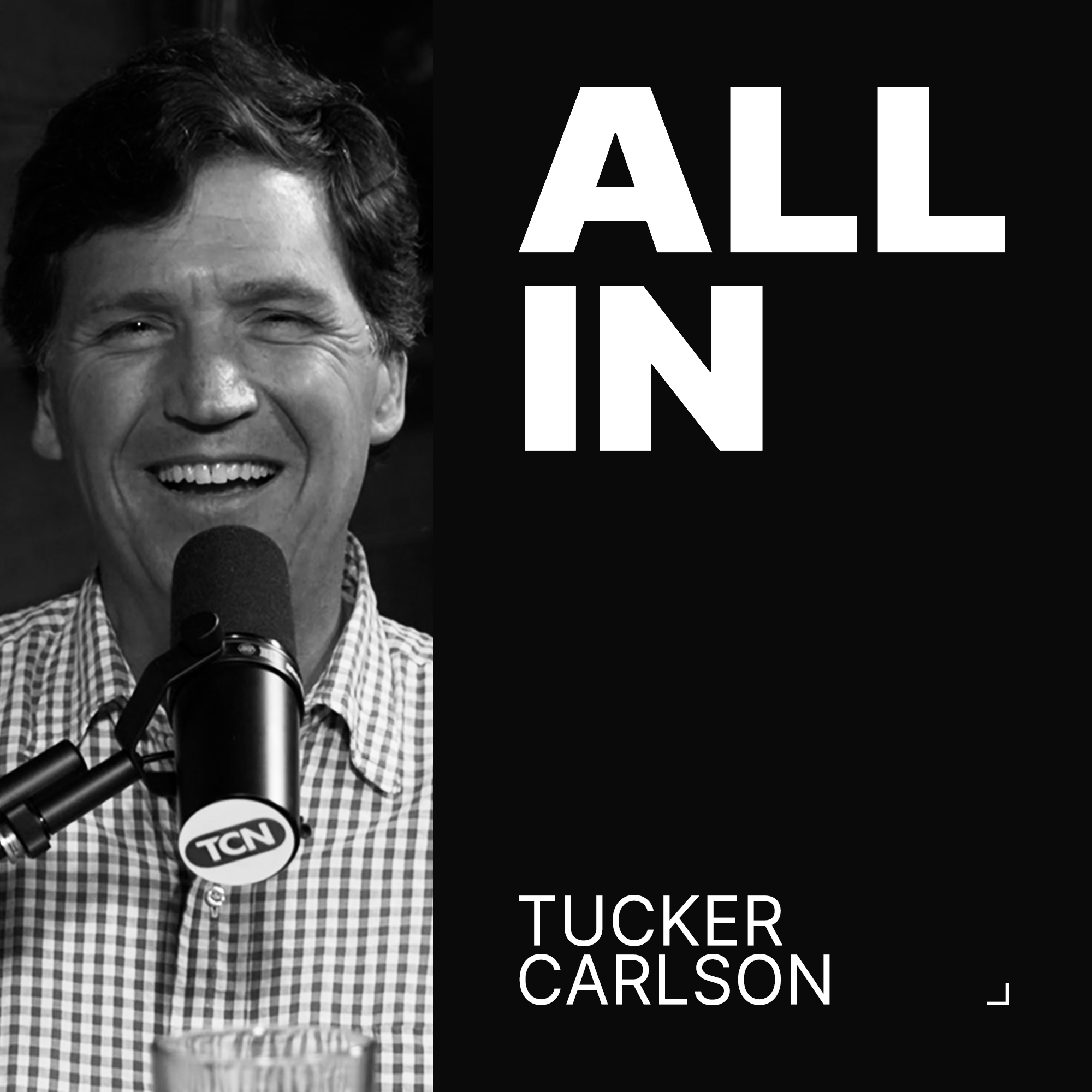
Figures like Donald Trump don't create populist movements; they rise by capitalizing on pre-existing societal problems like economic despair. Focusing on removing the leader ignores the root causes that allowed them to gain power, ensuring another similar figure will eventually emerge.

The root of rising civil unrest and anti-immigrant sentiment is often economic insecurity, not just a clash of cultures. People convert financial anxiety into anger, which is then easily directed at visible, culturally different groups, creating flashpoints that can escalate into violence.
In times of economic inequality, people are psychologically driven to vote for policies that punish a perceived enemy—like the wealthy or immigrants—rather than those that directly aid the poor. This powerful emotional desire for anger and a villain fuels populist leaders.
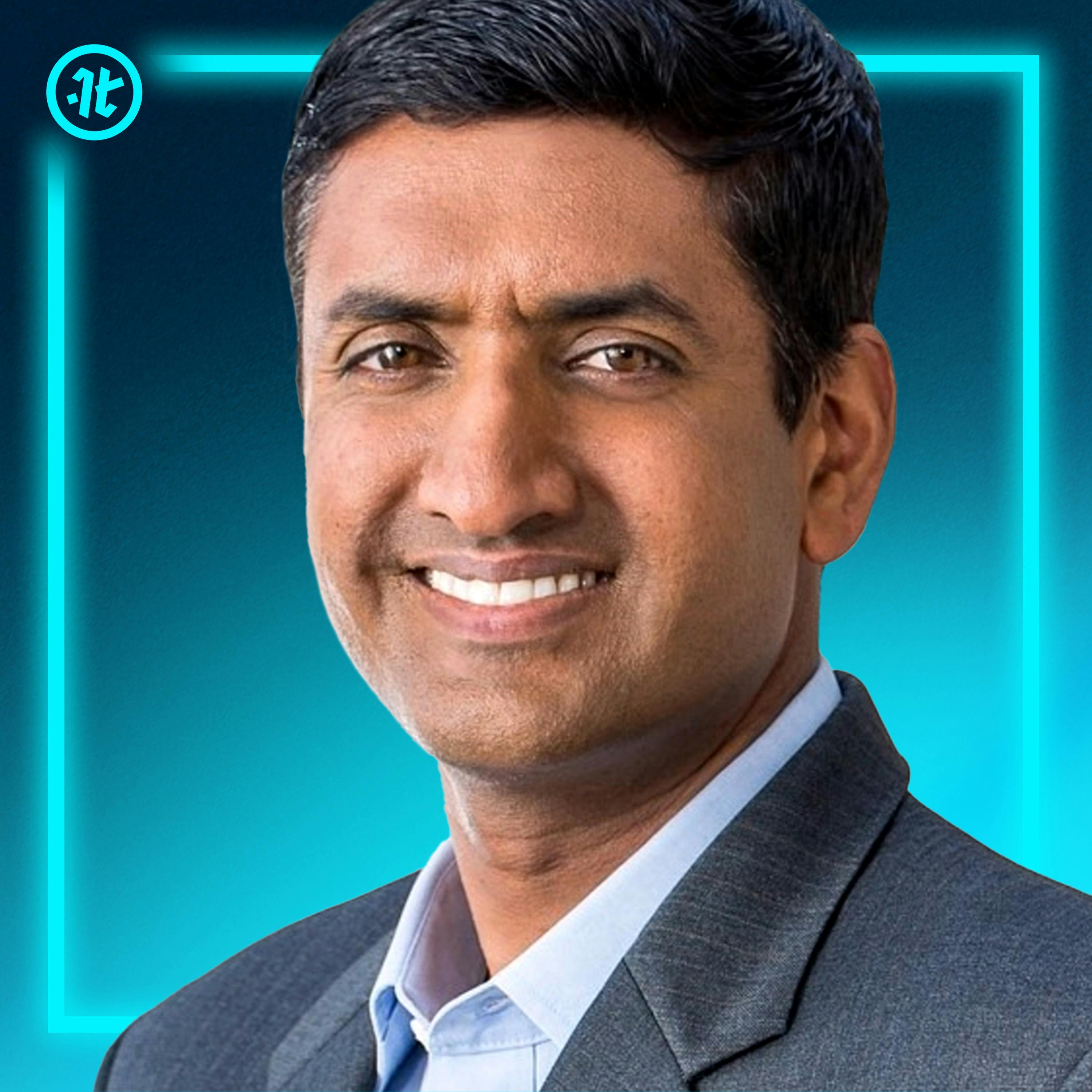
The psychological engine of populism is the zero-sum fallacy. It frames every issue—trade deficits, immigration, university admissions—as a win-lose scenario. This narrative, where one group's success must come at another's expense, fosters the protectionist and resentful attitudes that populist leaders exploit.